With more than 10‑year industry experience, Shandong Headpowder delivers full‑service pneumatic‑conveying systems and blowers, undertaking nationwide turn‑key powder‑handling projects.
HeadPowder, a leading engineering firm based in Shandong, China, specializes in advanced material handling solutions, particularly in the field of urea pneumatic conveying. This article delves into the technical nuances of vacuum and positive pressure pneumatic conveying systems, exploring their applications, advantages, and practical considerations for efficient urea transportation.
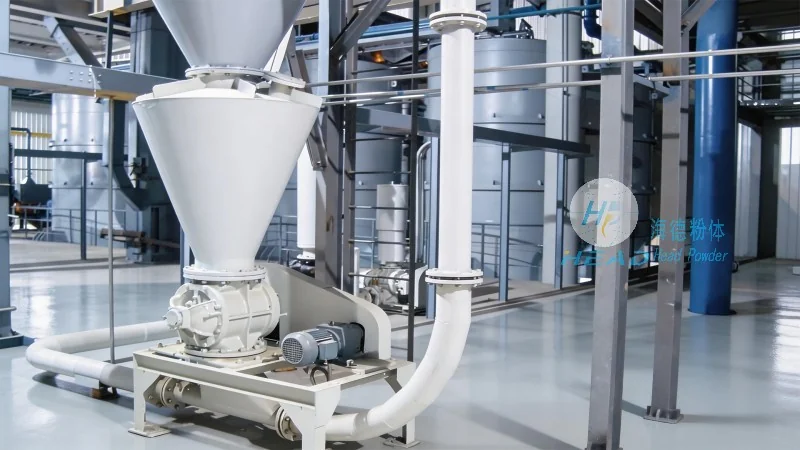
Pneumatic conveying is a critical method for transporting bulk materials like urea, offering a dust-free, efficient, and flexible solution compared to traditional methods such as trucks or conveyor belts. The core principle involves using air to move material through a pipeline, with two primary configurations: vacuum and positive pressure systems. Each system has distinct characteristics that make it suitable for different operational scenarios.
Vacuum pneumatic conveying systems operate by creating a negative pressure (or vacuum) at the receiving end to draw material from the source. This method is ideal for applications where the material needs to be transported over relatively short distances, typically up to a few hundred meters. The system works by using a vacuum pump to create a pressure differential, pulling urea from the storage silo or hopper into the conveying line. One of the key advantages of vacuum systems is their ability to handle materials that are prone to dust generation, as the sealed pipeline prevents dust from escaping into the environment. Additionally, vacuum systems are often more cost-effective for shorter distances and lower material flow rates, making them a popular choice for small to medium-scale urea handling operations.
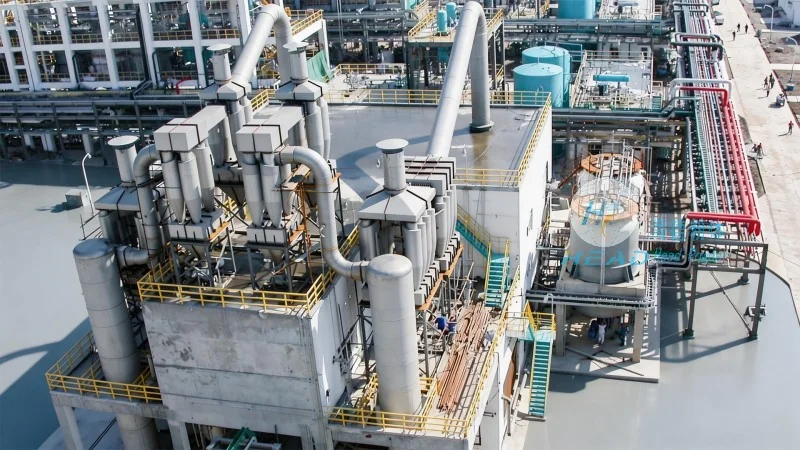
In contrast, positive pressure systems generate a positive pressure at the discharge end by using a blower or fan to push air and material through the pipeline. This approach is more suitable for longer transport distances, often exceeding 500 meters, and for handling larger volumes of urea. The positive pressure ensures that the material is continuously pushed through the system, reducing the risk of blockages and ensuring a steady flow. A significant advantage of positive pressure systems is their ability to handle abrasive materials without excessive wear on the equipment, as the constant pressure helps maintain the integrity of the conveying line. However, these systems may require more robust equipment and higher energy consumption compared to vacuum systems, especially for long-distance applications.
When selecting between vacuum and positive pressure pneumatic conveying systems for urea, several factors must be considered to ensure optimal performance and efficiency. The distance between the source and destination is a primary determinant, as vacuum systems are generally limited to shorter distances, while positive pressure systems excel at longer routes. Material characteristics, such as particle size, moisture content, and abrasiveness, also play a crucial role. For example, fine or dusty urea particles may benefit more from vacuum systems due to their dust control capabilities, whereas coarser or more abrasive urea may be better suited for positive pressure systems to prevent equipment wear. Additionally, the scale of the operation, including the required flow rate and throughput, influences the system choice. Small-scale operations with lower flow rates may find vacuum systems more economical, while large-scale industrial facilities with high throughput may opt for positive pressure systems to meet their demands.
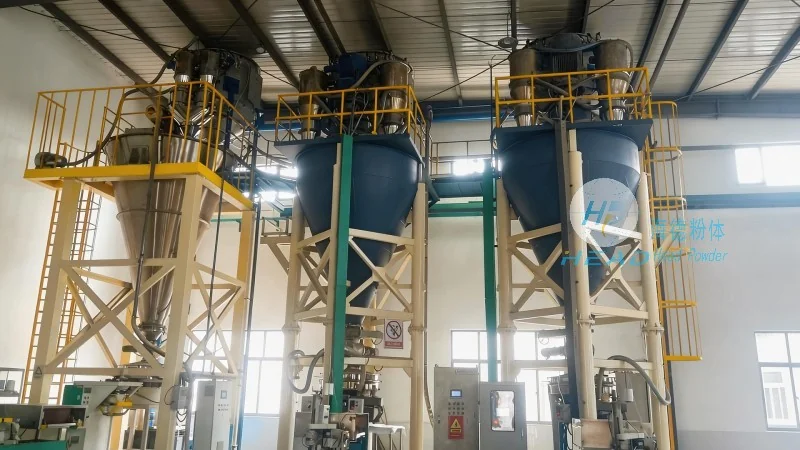
Urea pneumatic conveying systems are widely used in various industries, including fertilizer manufacturing, agricultural supply chains, and chemical processing. In fertilizer plants, these systems are essential for transporting urea from storage silos to processing units or for delivering it to packaging facilities. The ability to handle large volumes of urea efficiently and safely reduces downtime and improves overall operational efficiency. In agricultural settings, positive pressure systems are often used to transport urea from storage facilities to farms or distribution centers, ensuring timely delivery to farmers. The flexibility of pneumatic conveying also allows for integration with other material handling equipment, such as silos and hoppers, creating a seamless material flow from storage to end-use.
Both vacuum and positive pressure pneumatic conveying systems offer several advantages over traditional transportation methods. The most significant benefit is the reduction in dust and contamination, which is critical for urea, a material that can be hazardous if inhaled or if it contaminates other products. Pneumatic systems also minimize the risk of material spillage and damage during transport, as the sealed pipeline ensures that the urea remains contained throughout the process. Furthermore, these systems can be automated and integrated with control systems, allowing for real-time monitoring and adjustment of flow rates, pressure, and other parameters. This automation enhances operational efficiency and reduces the need for manual intervention, leading to lower labor costs and improved safety.
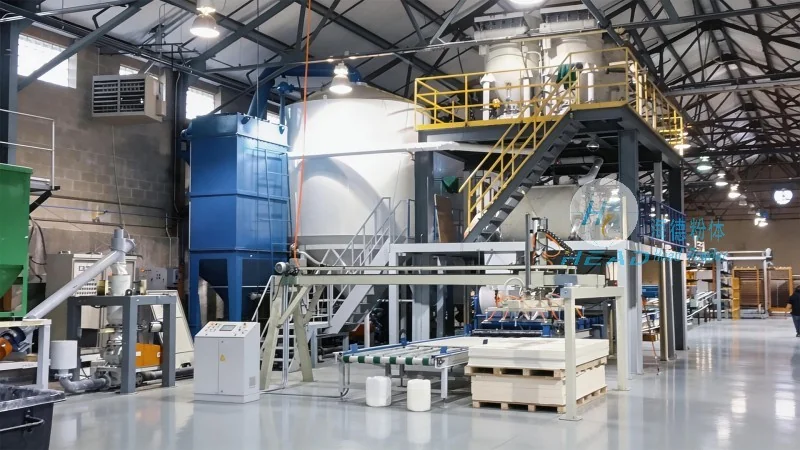
Despite their benefits, pneumatic conveying systems for urea may face challenges such as blockages, equipment wear, and energy consumption. Blockages can occur due to material buildup or improper system design, leading to reduced flow rates or system failure. To mitigate this, regular maintenance, including cleaning and inspection of the conveying line, is essential. Additionally, using appropriate materials for the pipeline, such as stainless steel or special coatings, can reduce wear and extend the system's lifespan. Energy consumption is another consideration, as both vacuum and positive pressure systems require significant power. Implementing energy-efficient components, such as high-efficiency blowers or vacuum pumps, and optimizing system design can help reduce operational costs and environmental impact.
Urea pneumatic conveying technology, whether using vacuum or positive pressure systems, provides a reliable and efficient solution for transporting bulk urea. The choice between the two systems depends on factors such as distance, material characteristics, and operational scale. By understanding the technical aspects and practical considerations of each system, industrial facilities can select the most suitable option to enhance their material handling processes. HeadPowder, with its expertise in engineering and material handling solutions, offers tailored pneumatic conveying systems that meet the specific needs of urea transportation, ensuring optimal performance and efficiency for its clients.

 Shandong Headpowder Engineering Co., Ltd.
 156-6277-7102(Manager Zhang)
  0531-83386006
  Zhangqiu District, Jinan City, Shandong Province, China
telephone
WeChatconsult
top