With more than 10‑year industry experience, Shandong Headpowder delivers full‑service pneumatic‑conveying systems and blowers, undertaking nationwide turn‑key powder‑handling projects.
Feed pneumatic conveying technology is a critical component in modern industrial processes, particularly within the agricultural and feed manufacturing sectors. This technology involves the transport of bulk materials, such as feed pellets, powders, and other granular substances, using air as the conveying medium. The two primary methods of pneumatic conveying—negative pressure (or suction) and positive pressure (or pressure) systems—each offer distinct advantages and are selected based on specific operational requirements, material characteristics, and system design considerations.
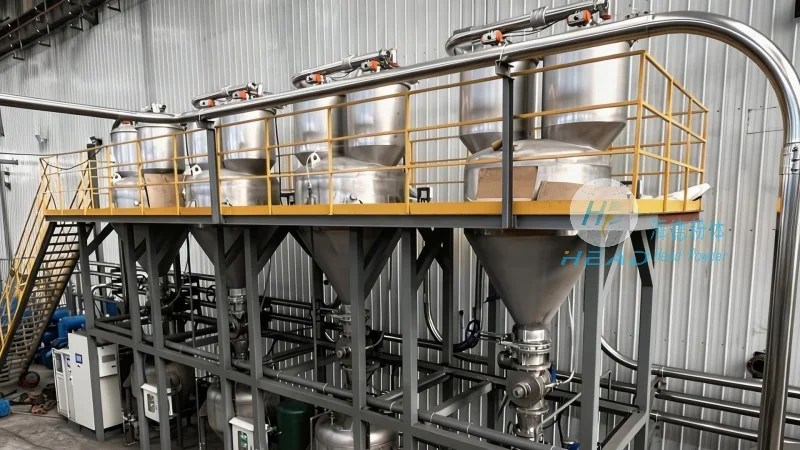
Negative pressure pneumatic conveying systems operate by creating a vacuum at the material intake point, drawing the feed material into the conveying line. This method is often referred to as suction conveying and is particularly effective for applications where the material source is elevated or where a clean, dust-free environment is required at the intake. The system typically includes a vacuum pump or fan that generates the negative pressure, a hopper or feeder to control material flow, and a conveying line that transports the material to the discharge point. One of the key advantages of negative pressure systems is their ability to handle fine powders and prevent dust dispersion, making them suitable for sensitive feed products that require minimal contamination. Additionally, these systems are generally quieter and less prone to material degradation compared to positive pressure systems, as the material is not subjected to high-pressure air forces.
Positive pressure pneumatic conveying, also known as pressure conveying, operates by forcing air and material through the conveying line using a positive pressure blower or compressor. This method is ideal for applications where the material source is at ground level or lower, as the system can push material upward or over longer distances. Positive pressure systems are often more robust and capable of handling a wider range of material types, including bulkier or more abrasive feed materials. They are also generally more energy-efficient for longer conveying distances, as the pressure can be maintained consistently throughout the system. However, these systems may generate more noise and dust at the intake point, and they require careful consideration of material handling to prevent blockages or wear on the conveying components.
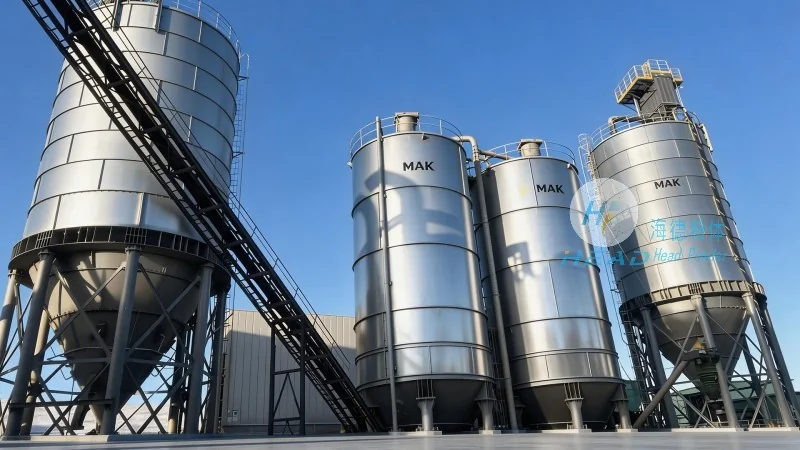
The choice between negative and positive pressure pneumatic conveying systems depends on several critical factors, including the material's physical properties, the distance and elevation changes between the intake and discharge points, and the desired level of environmental control. For example, if the feed material is highly fine and sensitive to dust, a negative pressure system may be preferred to minimize particle loss and maintain product quality. Conversely, if the material is coarse or requires high throughput over long distances, a positive pressure system might offer better performance and efficiency. Additionally, the system's design must account for factors such as air velocity, pressure drop, and the need for cleaning and maintenance, as these elements directly impact the overall effectiveness and longevity of the conveying process.
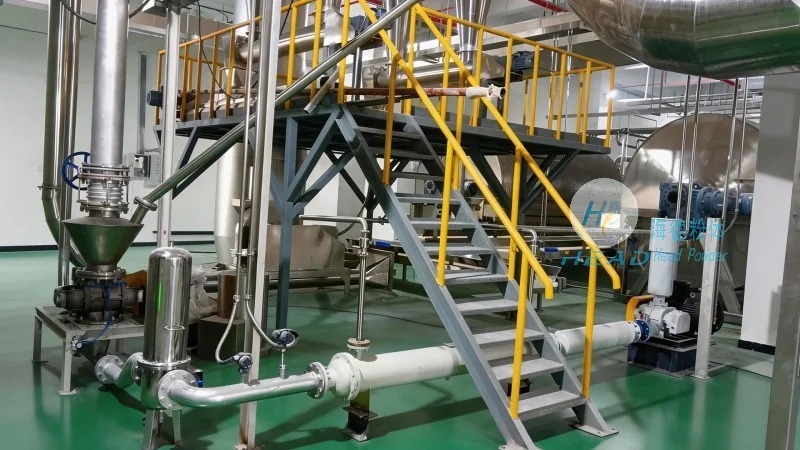
In the feed manufacturing industry, pneumatic conveying systems are widely used for the transport of raw materials, such as grains and pellets, from storage silos to processing equipment, and for the transfer of finished feed products to packaging lines. Negative pressure systems are commonly employed in the intake of raw materials from trucks or storage bins, where a clean and dust-free environment is essential to prevent contamination of the feed. Positive pressure systems, on the other hand, are often used for the internal transport of feed within processing plants, as they can efficiently move material over longer distances and through multiple processing stages. Both system types are critical to ensuring smooth, continuous production in feed mills, as they help maintain consistent material flow and reduce downtime caused by material blockages or system failures.
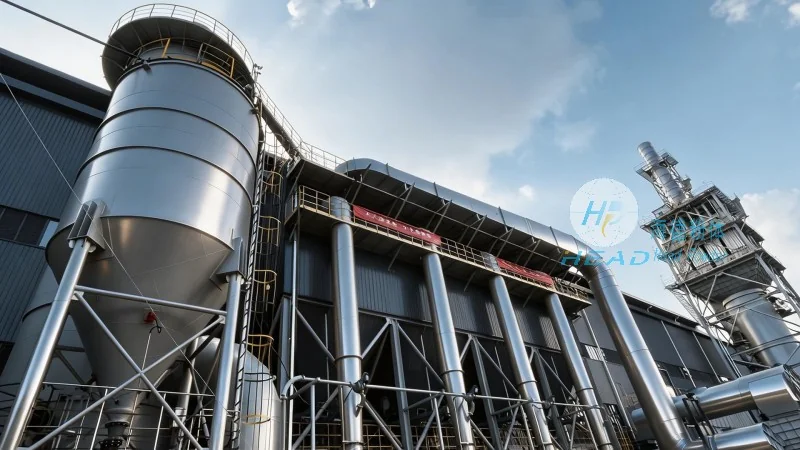
Both negative and positive pressure pneumatic conveying systems offer significant advantages over traditional mechanical conveying methods, such as belt conveyors or screw conveyors. These systems are generally more flexible, as they can be easily reconfigured to accommodate changes in production volume or material types. They also provide better control over material flow, reducing the risk of overfilling or underfilling in processing equipment. However, pneumatic conveying systems also present unique challenges, including the need for proper air filtration to prevent dust accumulation in the system and the potential for material degradation due to high air velocities or pressure differentials. Additionally, the initial investment and maintenance costs for pneumatic systems can be higher than for mechanical systems, although the long-term benefits in terms of efficiency and product quality often justify these expenses.
Feed pneumatic conveying technology, encompassing both negative and positive pressure systems, plays a vital role in the efficient and reliable operation of feed manufacturing facilities. By understanding the distinct characteristics and applications of each system, feed producers can select the most appropriate conveying method to meet their specific operational needs, material requirements, and environmental standards. As technology continues to advance, the development of more efficient and sustainable pneumatic conveying solutions will further enhance the performance and sustainability of feed production processes. The expertise and engineering solutions provided by companies like Shandong HeadPowder Engineering Co., Ltd. are instrumental in optimizing these systems for the feed industry, ensuring that bulk materials are transported safely, efficiently, and with minimal environmental impact.

 Shandong Headpowder Engineering Co., Ltd.
 156-6277-7102(Manager Zhang)
  0531-83386006
  Zhangqiu District, Jinan City, Shandong Province, China
telephone
WeChatconsult
top