With more than 10‑year industry experience, Shandong Headpowder delivers full‑service pneumatic‑conveying systems and blowers, undertaking nationwide turn‑key powder‑handling projects.
Shandong HeadPowder Engineering Co., Ltd. specializes in providing comprehensive solutions for phosphate iron pneumatic conveying systems. Our expertise lies in the design, calculation, and selection of equipment tailored to the unique requirements of phosphate iron handling applications. This article outlines the key considerations and methodologies involved in designing efficient pneumatic conveying systems for phosphate iron, ensuring optimal performance and reliability.
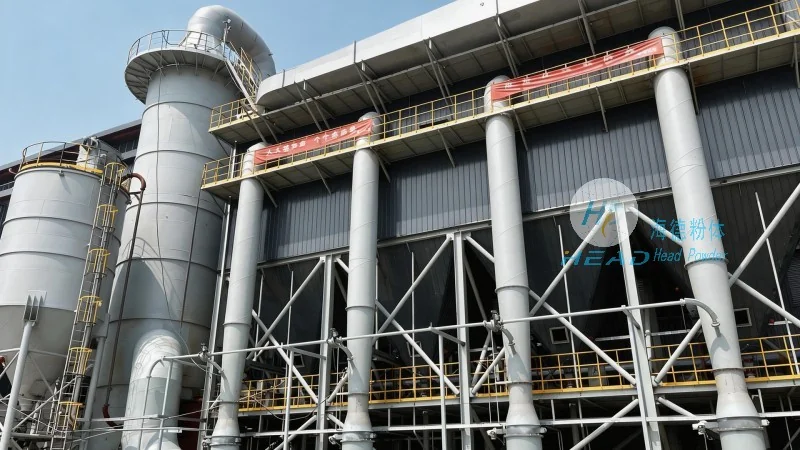
When designing a pneumatic conveying system for phosphate iron, several critical factors must be evaluated to ensure system efficiency and longevity. The first step involves understanding the physical properties of phosphate iron, such as particle size distribution, bulk density, and flow characteristics. These properties directly impact the selection of the conveying method—whether it’s a dilute-phase or dense-phase system—and the required air velocity and pressure. Additionally, the distance and elevation changes between the source and destination points are crucial in determining the system’s capacity and energy consumption. Shandong HeadPowder Engineering Co., Ltd. employs advanced computational methods to analyze these parameters, ensuring that the final design meets the operational demands of the client.
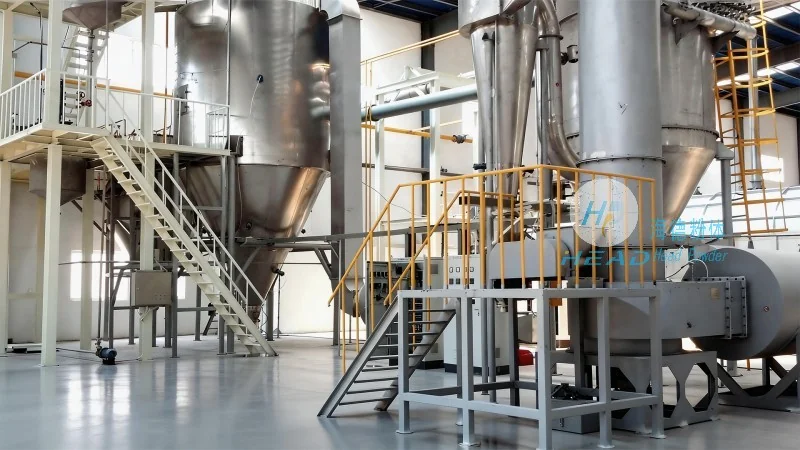
Accurate calculation is paramount in the design of phosphate iron pneumatic conveying systems. Our engineers utilize established formulas and empirical data to determine the necessary air flow rates, pressure drops, and equipment specifications. The calculation process begins with determining the material’s flow rate and the required conveying distance. Using the material’s bulk density and particle size, we calculate the air velocity needed to maintain a stable flow within the pipeline. The pressure drop across the system components, including the hopper, pipeline, and receiver, is then computed to ensure sufficient pressure is available to overcome friction losses and elevation changes. Furthermore, we consider the effect of system variables like temperature and humidity on the material’s behavior, as these can influence the conveying efficiency. By integrating these calculations, we develop a robust system that minimizes energy consumption while maximizing throughput.
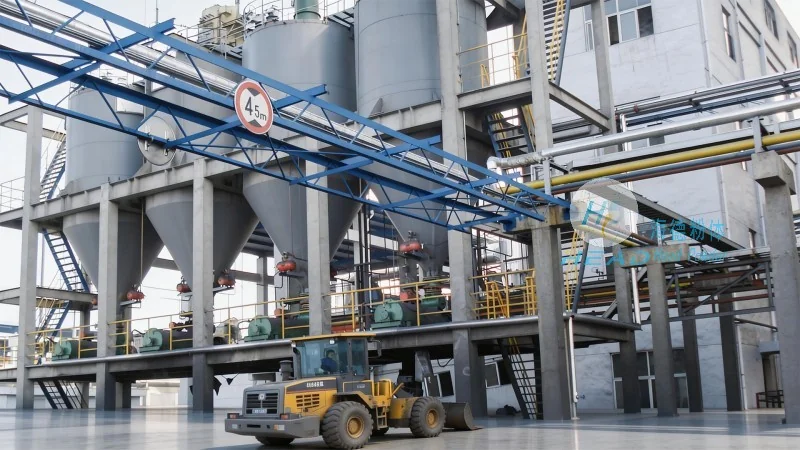
The selection of appropriate equipment is a critical step in ensuring the success of a phosphate iron pneumatic conveying system. Shandong HeadPowder Engineering Co., Ltd. offers a range of equipment tailored to different conveying requirements. For dilute-phase systems, we recommend high-capacity blowers and cyclone separators that can handle large volumes of phosphate iron with minimal pressure loss. For dense-phase systems, our selection includes positive displacement blowers and pressure vessels that provide precise control over the material flow, reducing product degradation and improving system reliability. Additionally, we consider the need for accessories such as feeders, hoppers, and filters to ensure smooth operation and prevent material buildup. Our team of experts evaluates the client’s specific needs, including the material’s characteristics, system layout, and operational constraints, to recommend the most suitable equipment. This ensures that the final system is not only efficient but also cost-effective and easy to maintain.
One of our recent projects involved the design and installation of a pneumatic conveying system for a phosphate iron processing plant in Shandong, China. The client required a system capable of transporting 100 tons of phosphate iron per hour over a distance of 200 meters with a 10-meter elevation gain. Our team conducted a thorough analysis of the material properties and system requirements, leading to the selection of a dilute-phase system with a high-efficiency blower and cyclone separator. The calculation phase involved determining the optimal air velocity and pressure drop, which resulted in a system that consumed 15% less energy than traditional methods. The implementation phase included the installation of the conveying pipeline, feed hopper, and receiver, all of which were tailored to the client’s operational needs. The system has been in operation for over a year, achieving the required throughput with minimal maintenance, demonstrating the effectiveness of our design and equipment selection process.
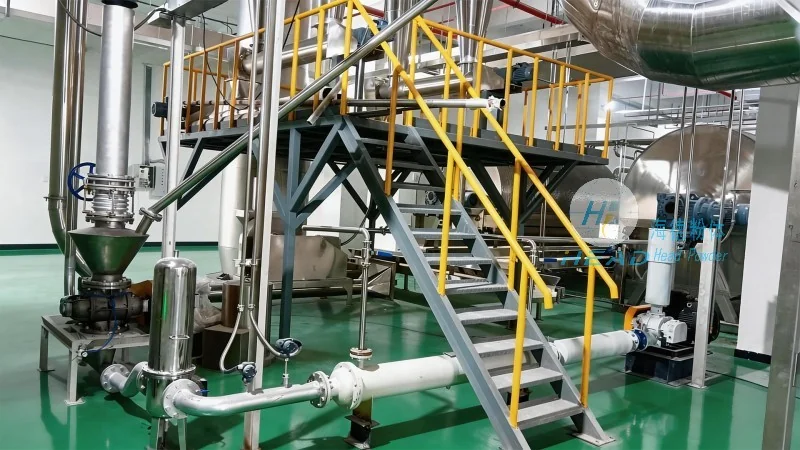
Shandong HeadPowder Engineering Co., Ltd. is committed to providing high-quality pneumatic conveying solutions for phosphate iron applications. Our expertise in design, calculation, and equipment selection ensures that clients receive systems that are efficient, reliable, and tailored to their specific needs. For more information or to discuss your phosphate iron pneumatic conveying requirements, please contact us at our office in Shandong, China. We look forward to helping you optimize your material handling processes.

 Shandong Headpowder Engineering Co., Ltd.
 156-6277-7102(Manager Zhang)
  0531-83386006
  Zhangqiu District, Jinan City, Shandong Province, China
telephone
WeChatconsult
top