With more than 10‑year industry experience, Shandong Headpowder delivers full‑service pneumatic‑conveying systems and blowers, undertaking nationwide turn‑key powder‑handling projects.
Resin pneumatic conveying is a critical process in industrial applications, particularly in the manufacturing and processing of resin materials. The design and selection of equipment for this system are crucial for ensuring efficient, reliable, and cost-effective material handling. This article provides a comprehensive overview of the design calculations and equipment selection for resin pneumatic conveying systems, tailored to meet the specific needs of industrial operations.
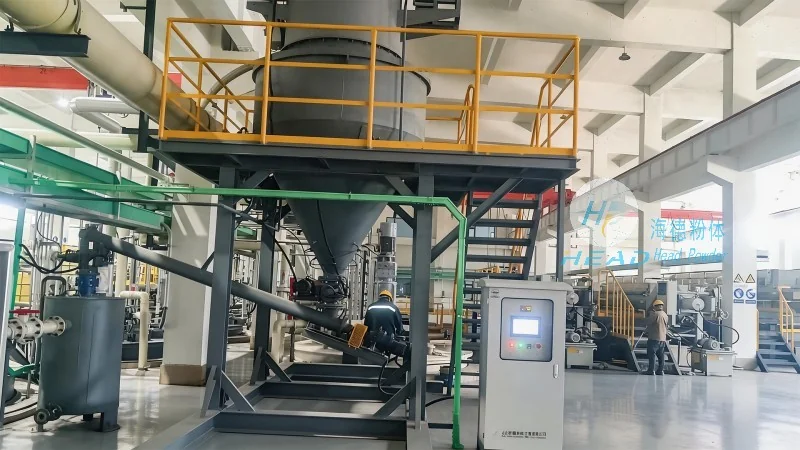
Resin pneumatic conveying systems utilize air or other gases to transport resin particles from one location to another. This method offers several advantages over traditional mechanical conveying, including reduced maintenance, lower energy consumption, and the ability to handle materials in a dust-free environment. The effectiveness of a resin pneumatic conveying system depends heavily on proper design and calculation to ensure optimal performance and longevity.
When designing a resin pneumatic conveying system, several key factors must be considered to achieve the desired results. These include the material properties of the resin, such as particle size, density, and moisture content, as well as the required conveying distance and flow rate. The system's pressure and velocity requirements are also critical, as they directly impact the efficiency of material transport. Additionally, the choice of conveying method—whether it's dilute phase or dense phase—depends on the specific characteristics of the resin and the application requirements.
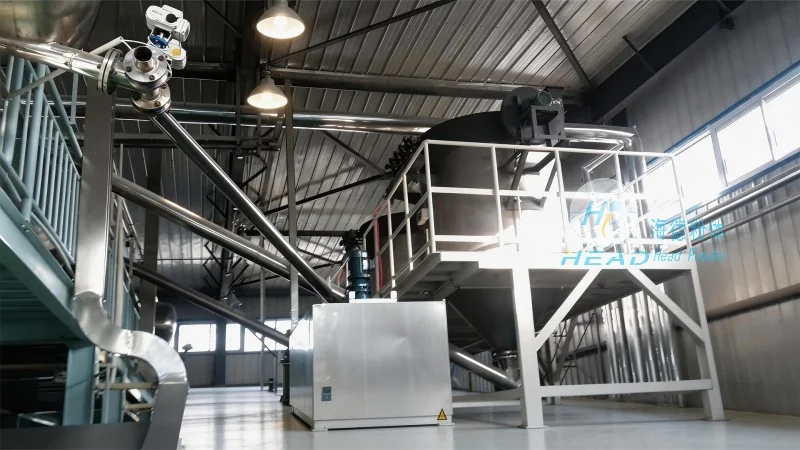
Accurate calculation is essential for the successful operation of a resin pneumatic conveying system. The primary calculations involve determining the required air velocity, pressure drop, and power consumption. The air velocity must be sufficient to lift and transport the resin particles without causing excessive wear on the system components. The pressure drop across the system is another critical parameter, as it indicates the energy required to move the material and helps in selecting the appropriate blower or compressor. Power consumption calculations are also important for assessing the operational costs and ensuring the system's energy efficiency.
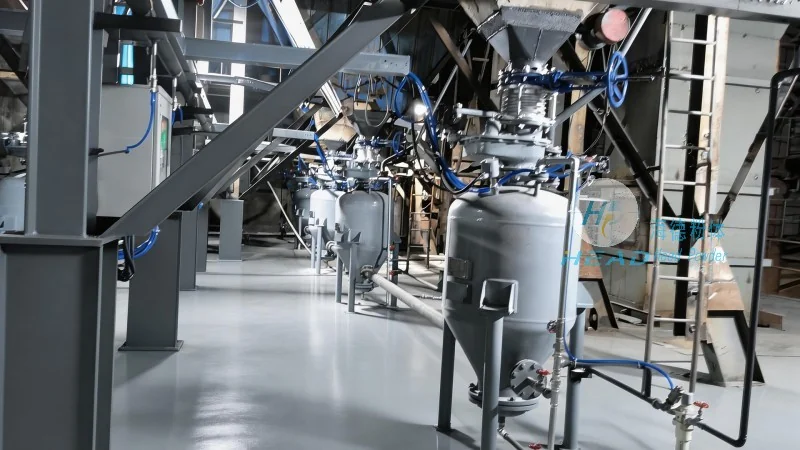
The selection of equipment for a resin pneumatic conveying system is a critical step that directly impacts system performance and reliability. Key equipment includes the feeder, which controls the flow of resin into the system; the blower or compressor, which provides the necessary air pressure and flow; the conveying line, which transports the material; and the receiver, which collects the conveyed resin. Each component must be carefully selected based on the system's design calculations and the specific requirements of the resin being handled. For example, the feeder type (such as a rotary valve or screw feeder) is chosen based on the resin's flow characteristics and particle size. The blower or compressor must be matched to the system's pressure and flow requirements to ensure optimal performance and energy efficiency.
Shandong HeadPowder Engineering Co., Ltd., a leading provider of industrial material handling solutions, specializes in the design, calculation, and equipment selection for resin pneumatic conveying systems. With years of experience in the industry, the company offers tailored solutions that meet the unique needs of its clients. The company's team of experts uses advanced calculation methods and engineering principles to design systems that are efficient, reliable, and cost-effective. Whether it's a new system installation or an upgrade to an existing one, Shandong HeadPowder Engineering Co., Ltd. provides comprehensive support, from initial design and calculation to system installation and maintenance. The company's commitment to quality and customer satisfaction has made it a trusted partner for many industrial clients in China and beyond.

 Shandong Headpowder Engineering Co., Ltd.
 156-6277-7102(Manager Zhang)
  0531-83386006
  Zhangqiu District, Jinan City, Shandong Province, China
telephone
WeChatconsult
top