With more than 10‑year industry experience, Shandong Headpowder delivers full‑service pneumatic‑conveying systems and blowers, undertaking nationwide turn‑key powder‑handling projects.
Efficient material handling is a critical aspect of modern industrial operations, and the design of pneumatic conveying systems for glass-blasted beads represents a sophisticated solution that combines technology, engineering expertise, and material science. This article delves into the design principles and considerations for a glass-blasted bead pneumatic conveying system, highlighting the key components, operational parameters, and the role of specialized engineering firms like Shandong HeadPowder Engineering Co., Ltd. (headpowder) in optimizing such systems for industrial applications. The importance of a well-designed system cannot be overstated, as it directly impacts production efficiency, product quality, and overall operational costs in industries that rely on glass-blasted beads for their processes.
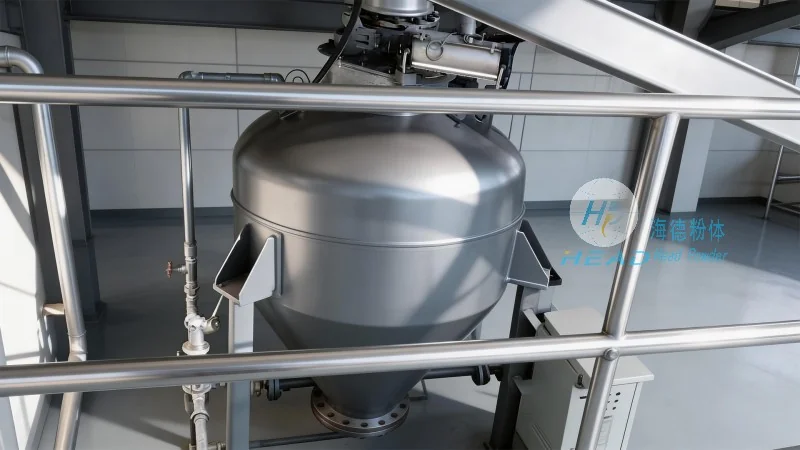
Glass-blasted beads, also known as glass microspheres or expanded glass beads, are lightweight, spherical particles commonly used in construction, insulation, and industrial applications due to their thermal insulation properties, lightweight nature, and chemical resistance. These beads have unique handling characteristics that require specialized equipment to transport them safely and efficiently. Unlike traditional bulk materials, glass-blasted beads are prone to dust generation, require controlled air flow to prevent clogging, and demand precise control over pressure and velocity to maintain system integrity. The design of a pneumatic conveying system must account for these characteristics to ensure reliable operation and minimal maintenance. The particles' small size and low density make them susceptible to air currents and turbulence, which can lead to uneven distribution or loss if not properly managed. Therefore, the system design must prioritize uniform air distribution and stable particle flow to prevent issues such as blockages or material degradation.
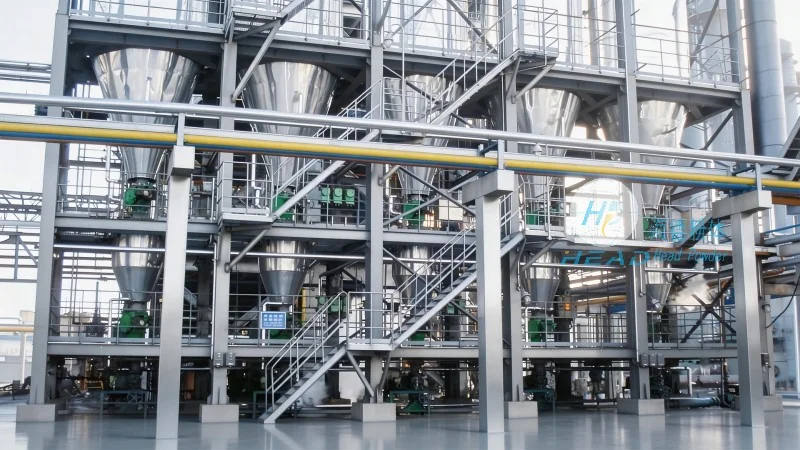
A pneumatic conveying system for glass-blasted beads typically consists of several core components that work in tandem to transport the material from a source to a destination. The primary components include a hopper or feeder for material storage and controlled discharge, an air compressor or blower to generate the necessary air pressure, a conveying line (often with bends and straight sections), a separator or filter to remove excess air and prevent particle loss, and a receiver or discharge hopper for the final material collection. Each component must be selected based on the specific properties of the glass-blasted beads, the system's capacity, and the operational environment. The hopper is designed to maintain a consistent material level and to control the feed rate, which is critical for preventing surges or gaps in the material flow. The air compressor or blower provides the motive force, with options ranging from positive displacement blowers to rotary lobe compressors, depending on the system's pressure and flow requirements. The conveying line is typically made of stainless steel or other corrosion-resistant materials to withstand the abrasive nature of the glass-blasted beads and to prevent particle buildup. The separator or filter is essential for maintaining system efficiency by removing excess air and capturing any particles that may have escaped the conveying line, ensuring that the material is delivered to the receiver without loss. The receiver is designed to collect the glass-blasted beads and may include a discharge valve or conveyor for further processing.
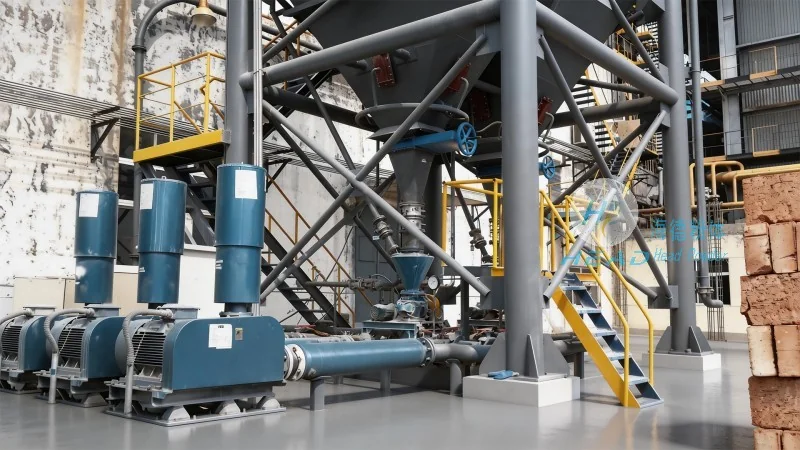
The success of a glass-blasted bead pneumatic conveying system hinges on careful design considerations that balance performance, cost, and maintenance. Key factors include the selection of appropriate air velocity to prevent particle deposition and clogging, the use of smooth, corrosion-resistant materials for the conveying line to avoid particle abrasion, and the implementation of pressure control systems to maintain consistent flow. Additionally, the system must be designed to handle variations in material feed rate and to accommodate changes in ambient conditions, such as temperature and humidity, which can affect particle behavior. Shandong HeadPowder Engineering Co., Ltd. specializes in tailoring these design elements to meet the specific needs of industrial clients, ensuring that the system operates at peak efficiency and longevity. The company's engineers conduct thorough material analysis and operational assessments to determine the optimal air velocity, pressure, and line diameter for each application. This data-driven approach minimizes the risk of system failures and reduces the need for frequent maintenance, ultimately lowering the total cost of ownership for the client.
The operational flow of a glass-blasted bead pneumatic conveying system involves several stages, from material loading to final discharge. The process typically begins with the material being fed from a hopper into the conveying line, where it is entrained by the air flow generated by the compressor. The air and material mixture travels through the conveying line, which may include vertical or horizontal sections, and is then separated at the receiver using a cyclone or other filtration device. The separated air is then discharged, while the glass-blasted beads are collected in the receiver. Control systems, including pressure sensors, flow meters, and automated valves, are integrated to monitor and adjust the system's performance in real-time, ensuring stable operation and preventing issues such as overpressure or underflow. The control system may also include alarms and safety features to alert operators to potential problems, such as high pressure or low material levels, allowing for immediate intervention and preventing system damage. This proactive approach to system management enhances the reliability and safety of the operation.
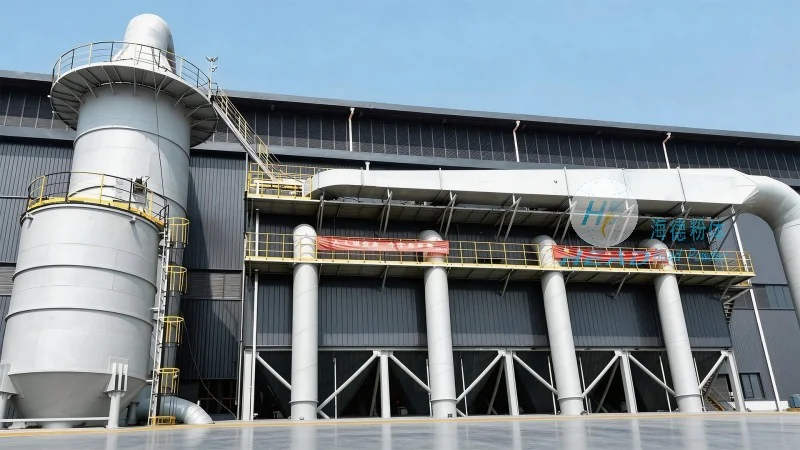
For industrial facilities dealing with glass-blasted beads, partnering with a specialized engineering company like Shandong HeadPowder Engineering Co., Ltd. offers significant advantages. These firms bring expertise in material handling, pneumatic system design, and industrial automation, allowing them to develop customized solutions that address the unique challenges of transporting glass-blasted beads. By leveraging their experience, clients can achieve improved system efficiency, reduced downtime, and lower maintenance costs. The company's focus on quality and innovation ensures that the designed system not only meets current operational needs but also adapts to future technological advancements, providing a long-term solution for material handling requirements. In addition, specialized engineering firms can provide comprehensive support, including system installation, commissioning, and ongoing maintenance services, ensuring that the system operates at its best throughout its lifecycle. This end-to-end service model provides clients with peace of mind and a reliable partner for all their material handling needs.

 Shandong Headpowder Engineering Co., Ltd.
 156-6277-7102(Manager Zhang)
  0531-83386006
  Zhangqiu District, Jinan City, Shandong Province, China
telephone
WeChatconsult
top