

Design Considerations for Micron Sand Powder Pneumatic Conveying System Solutions
When designing a pneumatic conveying system for micron sand powder, several critical factors must be considered to ensure efficient, reliable, and cost-effective operation. This article outlines key design considerations that are essential for successful implementation of such systems, focusing on the technical and practical aspects that influence performance and longevity.
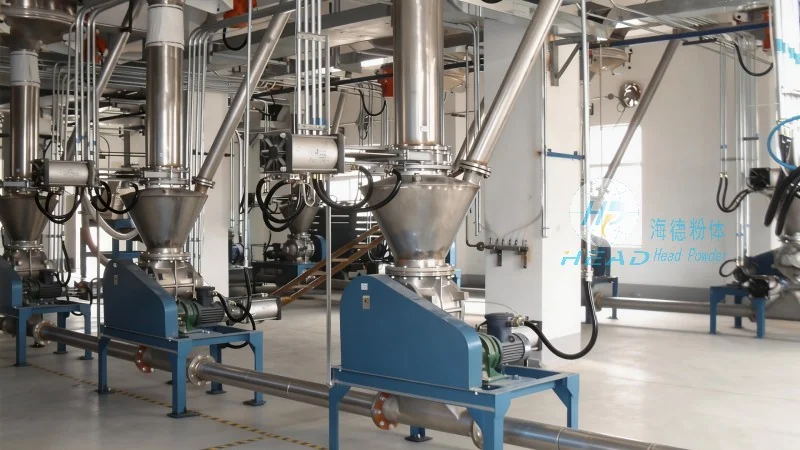
System Overview and Core Components
A pneumatic conveying system for micron sand powder typically consists of several key components, including a material feed hopper, a conveying line (often with multiple sections), a dust collection system, and a control unit. The feed hopper is designed to store and meter the powder, while the conveying line transports the material from the source to the destination. The dust collection system is crucial for maintaining air quality and preventing product loss. The control unit manages the system's operation, ensuring proper pressure, flow, and material handling.
Material Characteristics and Their Impact on Design
The properties of micron sand powder significantly influence the design of the pneumatic conveying system. Key material characteristics include particle size, density, moisture content, and flowability. Micron sand particles are typically very fine, which can lead to issues like caking, agglomeration, and increased friction within the system. These factors require special attention in the design, such as using appropriate hopper angles, anti-caking additives, or vibration systems to maintain material flow. Additionally, the density and moisture content affect the air velocity and pressure required for effective conveying, as higher moisture can increase the material's resistance to flow.
Conveying Method Selection: Dilute vs. Dense Phase
Choosing between dilute phase and dense phase conveying is a critical decision in system design. Dilute phase systems use high air velocities to transport particles in a dispersed state, typically at velocities above 20 m/s. This method is suitable for short distances and low to medium material loads but may require larger ducts and higher energy consumption. Dense phase systems, on the other hand, operate at lower velocities (often 5-15 m/s) and use higher pressure to move material in a slurry-like state. This method is ideal for longer distances, higher material loads, and more sensitive products, as it reduces particle impact and wear on system components.
Pressure and Air Flow Considerations
Proper pressure and air flow management are essential for optimal system performance. The pressure required depends on the system's length, elevation changes, and material characteristics. For example, a system with a vertical lift will need higher pressure to overcome gravity. Air flow rate must be matched to the material's flow rate to prevent blockages or under-conveying. Using flow meters and pressure sensors allows for real-time monitoring and adjustment, ensuring consistent operation. Additionally, the choice of air compressor type (e.g., rotary lobe, screw, or centrifugal) affects system efficiency and maintenance requirements.
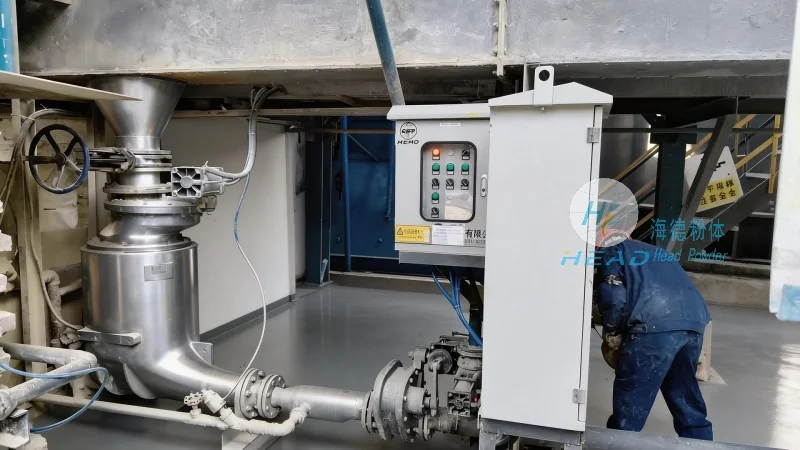
Material Handling and Wear Protection
Wear is a major concern in pneumatic conveying systems due to the abrasive nature of micron sand powder. System components such as hoppers, ducts, and valves are subject to significant wear from the fine particles. To mitigate this, materials like stainless steel, high-chrome alloys, or polyurethane liners are often used for high-wear areas. The design may also include features like smooth internal surfaces, rounded transitions, and proper support to reduce friction and wear. Regular maintenance, including component replacement and inspection, is crucial to extend the system's lifespan and maintain performance.
Dust Control and Environmental Compliance
Dust control is not only important for maintaining air quality but also for compliance with environmental regulations. The dust collection system, typically a baghouse or cartridge filter, captures fine particles before they are released into the environment. Proper sizing of the filter and the use of efficient filtration media are essential to ensure high collection efficiency. Additionally, the system may include features like cyclone separators or venturi scrubbers to pre-treat the air before filtration. Regular cleaning and maintenance of the dust collection equipment are necessary to prevent clogging and maintain performance.
Integration with Existing Facilities and Scalability
When integrating a pneumatic conveying system into an existing facility, compatibility with current infrastructure is a key consideration. This includes matching the system's pressure and flow rates to existing equipment, ensuring proper connections for material and air lines, and considering space constraints. The system should also be designed with scalability in mind, allowing for future expansion or modifications as production needs change. This may involve modular components or flexible design elements that can be easily adjusted without major reconfiguration.
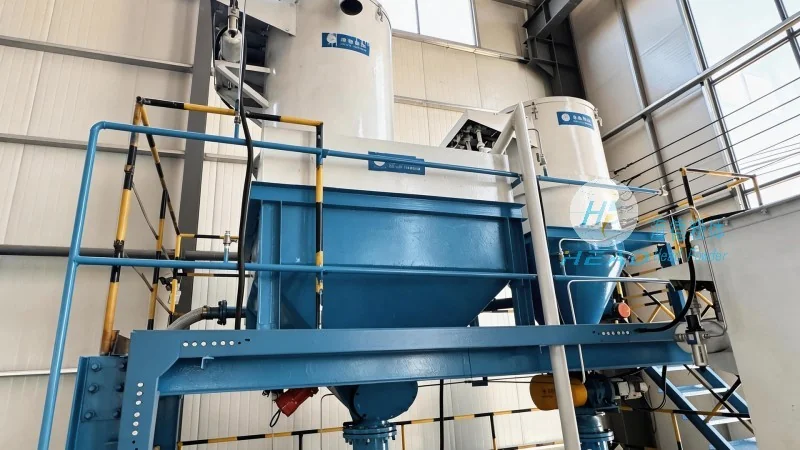
Control and Monitoring Systems
Advanced control and monitoring systems enhance the reliability and efficiency of the pneumatic conveying system. These systems may include programmable logic controllers (PLCs), sensors for pressure, flow, and level, and data logging capabilities. The control system can automate the entire process, from material feeding to conveying, ensuring consistent operation and reducing the risk of human error. Real-time monitoring allows operators to detect issues such as pressure drops or flow irregularities promptly, enabling quick troubleshooting and maintenance. Additionally, the system may include alarms and safety features to prevent accidents and ensure compliance with safety standards.
Installation and Commissioning Best Practices
Proper installation and commissioning are critical to the long-term performance of the pneumatic conveying system. Installation should follow manufacturer guidelines and industry best practices, ensuring all components are properly aligned, secured, and connected. Commissioning involves testing the system under various conditions to verify performance and identify any issues before full operation. This includes testing at different flow rates, pressures, and material loads to ensure the system operates within its design parameters. Proper training of operators and maintenance personnel is also essential to ensure the system is used and maintained correctly.
Maintenance and Troubleshooting Guidelines
Regular maintenance is essential to keep the pneumatic conveying system operating efficiently and to extend its lifespan. This includes routine checks of components such as filters, bearings, and seals, as well as more frequent inspections of high-wear parts. The system should be cleaned regularly to remove accumulated material and prevent clogging. Troubleshooting procedures should be established to address common issues such as blockages, pressure drops, or flow irregularities. By following a structured maintenance plan and troubleshooting guide, operators can minimize downtime and ensure the system continues to perform as designed.
Case Study: Successful Implementation of a Micron Sand Powder Pneumatic Conveying System
Shandong HeadPowder Engineering Co., Ltd., a leading provider of pneumatic conveying solutions, recently completed a project for a client in China. The client required a system to transport micron sand powder from a storage silo to a processing plant over a distance of 200 meters with a vertical lift of 30 meters. The system was designed as a dense phase system with a pressure of 0.8 MPa and an air flow rate of 150 m³/h. The system was equipped with stainless steel components and polyurethane liners to handle the abrasive nature of the material. The client reported significant improvements in material handling efficiency and reduced maintenance costs compared to their previous system. This case study highlights the importance of proper design and material selection in achieving successful pneumatic conveying system performance.