With more than 10‑year industry experience, Shandong Headpowder delivers full‑service pneumatic‑conveying systems and blowers, undertaking nationwide turn‑key powder‑handling projects.
For industrial facilities dealing with dry fly ash, selecting the appropriate pneumatic conveying system is crucial for ensuring efficient material transport, minimizing downtime, and maintaining operational safety. The right system not only optimizes the handling of fly ash but also aligns with the specific requirements of your processing plant, from capacity needs to environmental compliance.
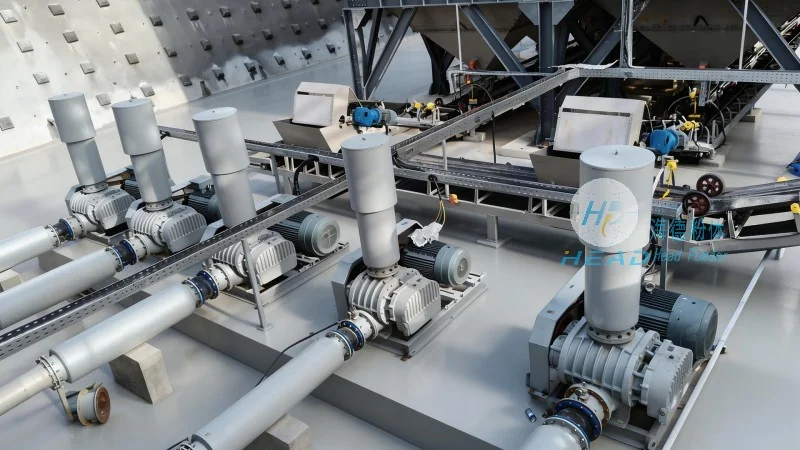
Dry fly ash, a byproduct of coal combustion, poses unique challenges in transportation due to its fine particle size and potential for dust generation. Traditional methods like belt conveyors or bucket elevators may struggle with the abrasive nature of fly ash and the need for dust control. Pneumatic conveying systems offer a more controlled and efficient solution, enabling the movement of fly ash from storage silos to processing units or disposal sites without the need for mechanical contact with the material.
Shandong HeadPowder Engineering Co., Ltd., a leading provider of specialized engineering solutions, specializes in designing and implementing pneumatic conveying systems tailored to the demands of dry fly ash handling. With years of experience in the industry, HeadPowder combines technical expertise with practical application knowledge to deliver systems that meet the exact specifications of your facility. Based in Shandong, China, the company leverages local manufacturing capabilities and global standards to ensure high-quality, reliable equipment that stands the test of time.
When evaluating pneumatic conveying systems for dry fly ash, several critical factors must be considered to ensure optimal performance and longevity. The first is the type of system: positive pressure systems, which use compressed air to push material through a pipeline, are ideal for short distances and high-volume applications, while negative pressure (or vacuum) systems are better suited for long-distance transport and environments where dust containment is paramount. The choice between these systems depends on factors such as the distance between the source and destination, the required flow rate, and the need for dust control measures.
Another critical consideration is the material's properties. Dry fly ash is often abrasive and can cause wear on system components. Therefore, selecting materials for the pipeline, valves, and other components that are resistant to abrasion is essential. HeadPowder's systems incorporate high-quality materials, such as stainless steel or specialized alloys, to minimize wear and extend the lifespan of the equipment. Additionally, the system's capacity and flow rate must be matched to the production rate of the fly ash generation process, ensuring that the conveying system can handle the volume without bottlenecks or inefficiencies.
HeadPowder offers a range of pneumatic conveying systems designed to address the specific needs of dry fly ash handling. The most common types include:
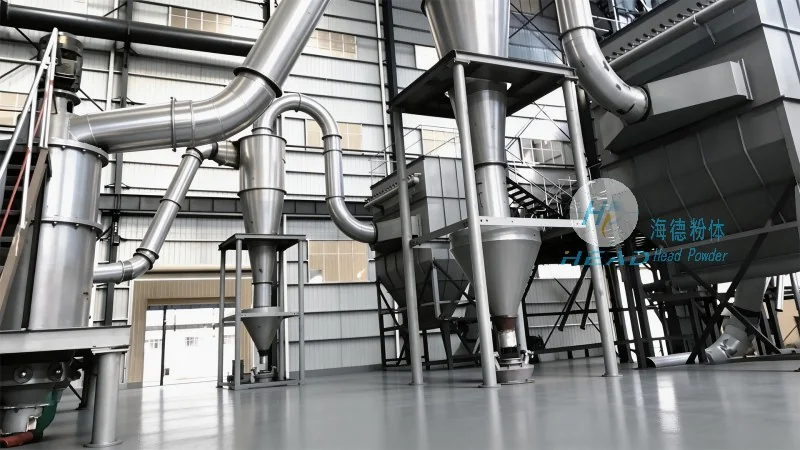
1. Positive Pressure Conveying Systems: These systems use compressed air to force dry fly ash through a pipeline. They are typically used for short to medium distances and high-volume applications. Positive pressure systems are efficient for transporting fly ash from silos to processing units or for moving it to disposal sites. The compressed air provides the necessary pressure to move the material, and the system can be equipped with dust collection and filtration components to ensure compliance with environmental regulations.
2. Negative Pressure (Vacuum) Conveying Systems: These systems use a vacuum to draw dry fly ash from the source and transport it to the destination. They are ideal for long-distance transport and for applications where dust containment is critical, such as in enclosed environments or when transporting fly ash over obstacles. The vacuum system ensures that the material is drawn into the pipeline without releasing dust into the atmosphere, making it a preferred choice for facilities with strict environmental standards.
3. Combination Systems: Some facilities may require a mix of positive and negative pressure systems to handle different segments of the fly ash transport process. For example, a positive pressure system might be used to move fly ash from the boiler to a storage silo, while a negative pressure system is used to transport it from the silo to a disposal site. HeadPowder can design combination systems that integrate both technologies to optimize the entire transport process.
The success of a pneumatic conveying system for dry fly ash depends not only on the type of system but also on its design and installation. HeadPowder's engineers work closely with clients to understand the layout of the facility, the location of the fly ash source and destination, and any potential obstacles or constraints. This allows for the design of a system that maximizes efficiency while minimizing the need for modifications to the existing infrastructure.
Installation of the system involves careful planning to ensure that all components are properly aligned and connected. HeadPowder's team of experienced technicians ensures that the installation process is carried out according to industry standards, with attention to detail to prevent leaks or other issues that could affect performance. The company also provides post-installation support, including maintenance and troubleshooting services, to ensure that the system continues to operate at peak efficiency over its lifespan.
By selecting a pneumatic conveying system from HeadPowder, facilities can enjoy several key benefits that enhance their dry fly ash handling operations:
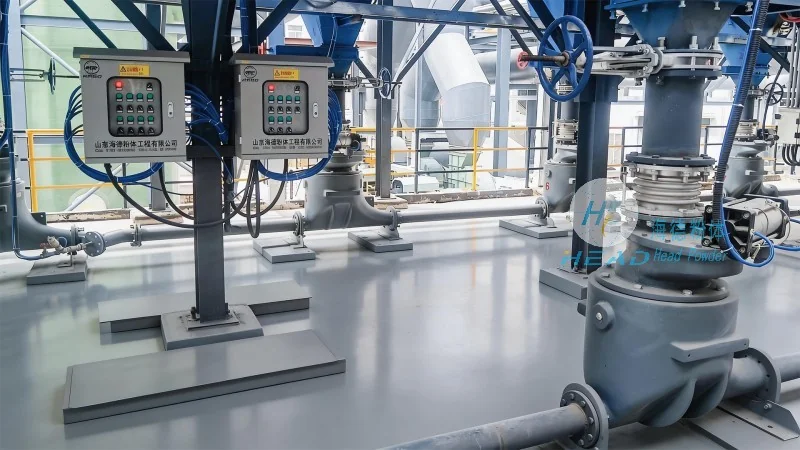
1. Enhanced Efficiency and Productivity: The right pneumatic conveying system can significantly improve the speed and reliability of fly ash transport, reducing downtime and increasing overall productivity. HeadPowder's systems are designed to handle high volumes of dry fly ash with minimal maintenance, ensuring that the material is moved quickly and efficiently.
2. Improved Safety and Environmental Compliance: Pneumatic conveying systems are enclosed, which helps to contain dust and prevent it from entering the workplace or the environment. This reduces the risk of respiratory issues for workers and ensures compliance with environmental regulations. HeadPowder's systems are equipped with advanced filtration and dust collection components to meet the highest standards of air quality.
3. Long-Term Cost Savings: By investing in a high-quality pneumatic conveying system from HeadPowder, facilities can reduce long-term maintenance costs and extend the lifespan of the equipment. The use of durable materials and robust design ensures that the system requires less frequent repairs and replacements, leading to lower overall operating costs.
4. Customized Solutions: HeadPowder understands that every facility has unique requirements. The company offers customized pneumatic conveying systems that are tailored to the specific needs of the client, whether it's a small-scale operation or a large industrial plant. This ensures that the system is optimized for the particular application, maximizing performance and minimizing waste.
Choosing the right pneumatic conveying system for your dry fly ash handling process is a critical decision that can impact the efficiency, safety, and cost-effectiveness of your operations. With its expertise in engineering and manufacturing, Shandong HeadPowder Engineering Co., Ltd. provides reliable and efficient solutions that meet the demands of modern industrial facilities. By considering factors such as system type, material properties, and operational requirements, and by partnering with a trusted provider like HeadPowder, facilities can ensure that their dry fly ash is transported safely and efficiently, supporting the overall success of their operations.

 Shandong Headpowder Engineering Co., Ltd.
 156-6277-7102(Manager Zhang)
  0531-83386006
  Zhangqiu District, Jinan City, Shandong Province, China
telephone
WeChatconsult
top