With more than 10‑year industry experience, Shandong Headpowder delivers full‑service pneumatic‑conveying systems and blowers, undertaking nationwide turn‑key powder‑handling projects.
When it comes to the efficient and reliable transport of compound fertilizers, selecting the right conveying method is crucial for optimizing production processes and minimizing operational costs. Shandong HeadPowder Engineering Co., Ltd., a leading manufacturer based in Shandong, China, specializes in providing advanced solutions for fertilizer handling and transportation. This article provides a detailed comparison of common compound fertilizer conveying methods, highlighting their respective advantages and disadvantages to help industrial clients make informed decisions.
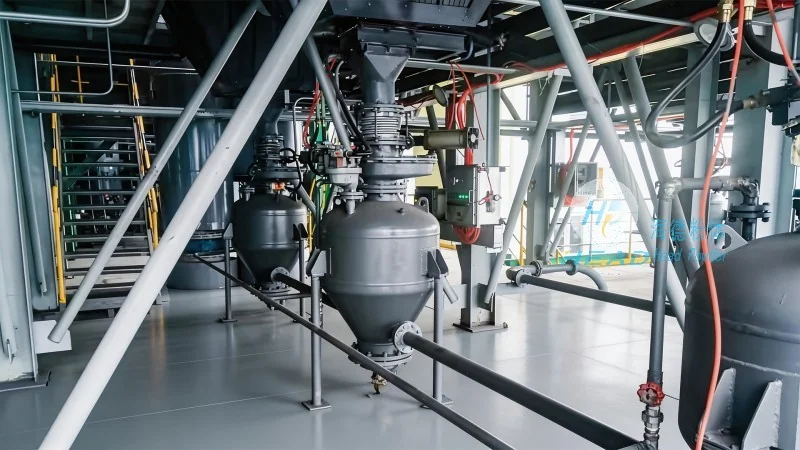
Belt conveyors are one of the most widely used methods for transporting bulk materials, including compound fertilizers. These systems consist of a continuous loop of belt that moves material from one point to another through the use of rollers and pulleys. The primary advantage of belt conveyors is their high capacity and ability to handle a wide range of material types, including those with varying moisture content and particle sizes. They are also relatively low-cost to install and maintain, making them an attractive option for many fertilizer plants. However, belt conveyors have some limitations. For instance, they require regular maintenance to prevent belt slippage or wear, and they may not be suitable for vertical or steep incline applications without additional equipment. Additionally, the risk of material spillage and contamination is higher compared to enclosed systems.
Pneumatic conveying systems use air or other gases to transport bulk materials through a network of pipes. This method is particularly effective for transporting fine or dusty materials like compound fertilizers, as it minimizes dust exposure and contamination. One of the key advantages of pneumatic conveying is its ability to handle vertical and horizontal transport simultaneously, allowing for flexible system designs. It also offers a high degree of control over material flow, which can improve process efficiency. However, pneumatic conveying systems can be more expensive to install and operate compared to other methods. They require a powerful air compressor and may experience pressure drops over long distances, which can reduce conveying efficiency. Furthermore, the system's performance is highly dependent on the material's properties, such as moisture content and particle size, and may not be suitable for all types of compound fertilizers.
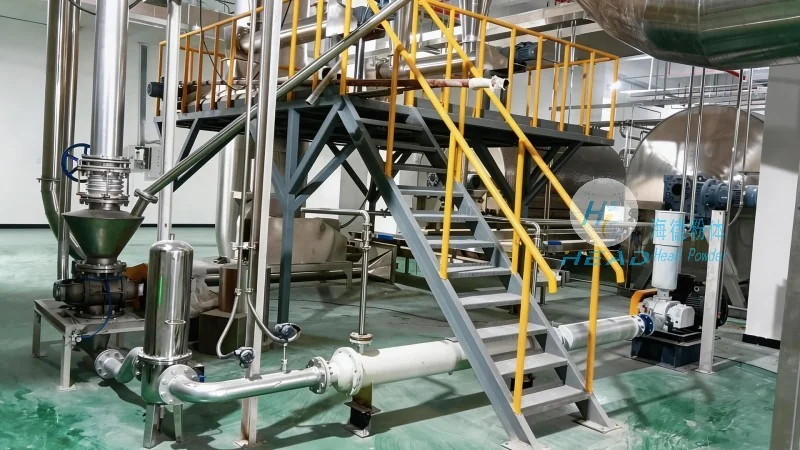
Screw conveyors, also known as auger conveyors, use a rotating screw to move material along a trough. This method is ideal for transporting granular or powdery materials, including compound fertilizers, in a compact and low-profile design. The main advantage of screw conveyors is their simplicity and low maintenance requirements. They are also suitable for vertical lifting applications, making them useful for elevating materials to higher levels in a facility. However, screw conveyors have lower capacity compared to belt or pneumatic systems, and they may not be suitable for materials with high moisture content or sticky properties, as this can cause blockages or increased wear on the screw and trough. Additionally, the system's efficiency can be affected by the material's flow characteristics, and it may not handle large quantities of material efficiently.
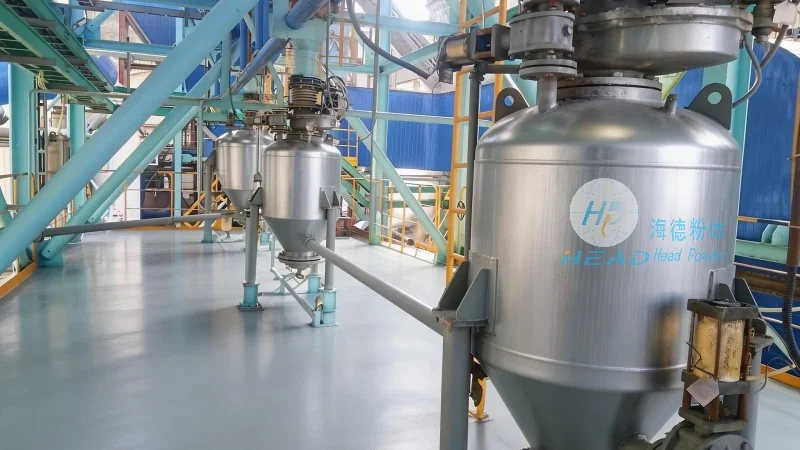
Hydraulic conveying systems use high-pressure fluid to transport bulk materials through pipes. This method is particularly effective for transporting abrasive or corrosive materials, such as certain types of compound fertilizers, as it minimizes wear and corrosion on the conveying equipment. The primary advantage of hydraulic conveying is its ability to handle high pressures and long distances, making it suitable for large-scale fertilizer plants. It also offers a high degree of control over material flow, which can improve process reliability. However, hydraulic systems are more complex and expensive to install and maintain compared to other methods. They require specialized pumps and valves, and the risk of leaks or system failures is higher. Additionally, the system's performance is highly dependent on the fluid's properties and the material's compatibility, and it may not be suitable for all types of compound fertilizers.
When selecting a conveying method for compound fertilizers, it is essential to consider several factors, including the material's properties, the required capacity, the system's layout, and the operational budget. Belt conveyors offer a good balance of capacity and cost, making them suitable for many general applications. Pneumatic systems excel in clean and high-speed transport but come with higher operational costs. Screw conveyors are ideal for compact and vertical applications but have lower capacity. Hydraulic systems are best for high-pressure and abrasive materials but are more complex and expensive. Shandong HeadPowder Engineering Co., Ltd. provides customized conveying solutions tailored to the specific needs of each client, ensuring optimal performance and efficiency in fertilizer handling processes.

 Shandong Headpowder Engineering Co., Ltd.
 156-6277-7102(Manager Zhang)
  0531-83386006
  Zhangqiu District, Jinan City, Shandong Province, China
telephone
WeChatconsult
top