With more than 10‑year industry experience, Shandong Headpowder delivers full‑service pneumatic‑conveying systems and blowers, undertaking nationwide turn‑key powder‑handling projects.
Shandong HeadPowder Engineering Co., Ltd., commonly known as headpowder, specializes in the design and manufacturing of advanced powder conveying systems. Headquartered in Shandong, China, the company has established itself as a leading provider of solutions tailored to the efficient handling of various powder materials, including polypropylene (PP) powders. This overview focuses on the structural design and operational principles of their PP powder conveying systems, highlighting key components and how they contribute to reliable material transport.
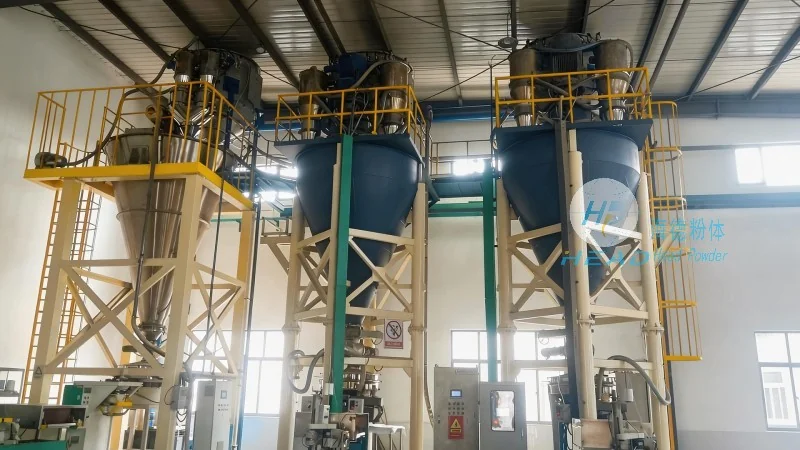
Shandong HeadPowder Engineering Co., Ltd. is a professional enterprise dedicated to the research, development, and production of powder conveying equipment. With a strong emphasis on innovation and quality, the company serves industries such as chemical, pharmaceutical, food, and plastic processing. Headquartered in Shandong, China, headpowder leverages years of experience to deliver customized solutions that meet the unique demands of each client. The company's commitment to excellence is reflected in its adherence to international standards and continuous improvement of its product lines.
PP powder conveying systems are engineered to handle polypropylene powders with precision and efficiency. These systems are critical in industrial settings where consistent and reliable transport of PP powders is essential for production processes. The design of such systems integrates multiple components working in tandem to ensure smooth operation and minimal downtime. Key features include robust construction, corrosion resistance, and adaptability to varying material characteristics.
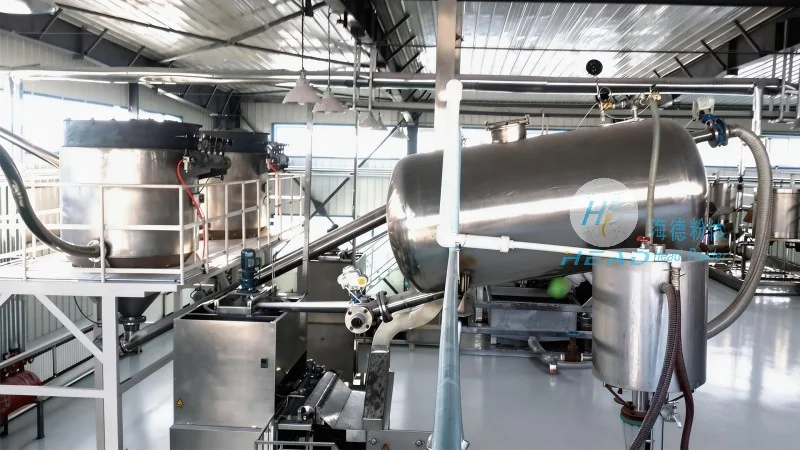
The PP powder conveying system typically consists of several key components, each playing a vital role in the overall operation. The primary components include the hopper or feed inlet, which serves as the storage and feeding mechanism for the PP powder. This component is designed to maintain a consistent material level and facilitate controlled discharge into the conveying line. The conveying line itself may utilize different technologies, such as screw conveyors, pneumatic systems, or a combination of both, depending on the specific application requirements. The screw conveyor, for instance, uses rotating screws to push the powder forward, while pneumatic systems employ air pressure to transport the material through pipelines.
The operational principle of the PP powder conveying system revolves around the controlled movement of the powder from the source to the destination. The process begins with the material being fed into the hopper, where it is held until needed. As the conveying mechanism activates, the powder is propelled through the system. In screw conveyor systems, the rotating screws create a positive displacement, ensuring that the material moves steadily without segregation or clogging. In pneumatic systems, compressed air creates a flow that carries the powder particles through the pipeline, often with the assistance of a venturi or other air management devices to maintain consistent velocity and pressure.
Modern PP powder conveying systems incorporate advanced control and automation features to enhance operational efficiency and safety. These systems are equipped with sensors and control panels that monitor parameters such as pressure, flow rate, and material level. The control unit processes this data and adjusts the conveying speed or pressure as needed to maintain optimal performance. Additionally, the systems may include safety interlocks and emergency stop functions to prevent accidents and protect personnel. Automation also reduces the need for manual intervention, minimizing human error and ensuring consistent product quality.
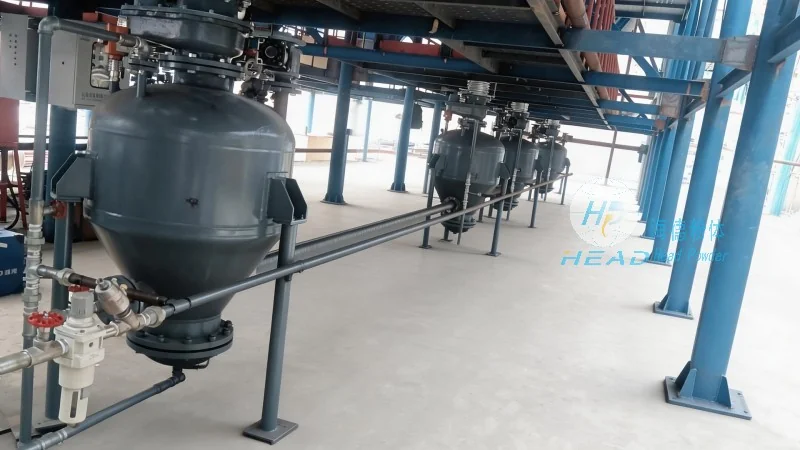
The PP powder conveying systems offered by Shandong HeadPowder Engineering Co., Ltd. provide several advantages, including high efficiency, low maintenance costs, and adaptability to different production scales. These systems are widely used in the plastic manufacturing industry, where PP powders are a key raw material for producing various products such as films, fibers, and molded parts. The systems also find applications in the chemical and food industries, where the handling of powders requires strict hygiene and contamination control. By delivering reliable and consistent performance, these systems contribute to improved productivity and reduced operational costs for businesses.
In summary, the PP powder conveying systems developed by Shandong HeadPowder Engineering Co., Ltd. represent a sophisticated solution for the efficient transport of polypropylene powders. Through careful design and integration of key components, these systems ensure reliable operation, minimal downtime, and adherence to industry standards. With a strong commitment to quality and customer satisfaction, headpowder continues to provide tailored solutions that meet the evolving needs of industries relying on powder handling technologies. Based in Shandong, China, the company remains a trusted partner for businesses seeking to optimize their material transport processes.

 Shandong Headpowder Engineering Co., Ltd.
 156-6277-7102(Manager Zhang)
  0531-83386006
  Zhangqiu District, Jinan City, Shandong Province, China
telephone
WeChatconsult
top