With more than 10‑year industry experience, Shandong Headpowder delivers full‑service pneumatic‑conveying systems and blowers, undertaking nationwide turn‑key powder‑handling projects.
Shandong HeadPowder Engineering Co., Ltd. (headpowder) specializes in the design and manufacturing of advanced equipment for industrial material handling, including dry desulfurizer pneumatic conveying systems. This article provides a comprehensive overview of the equipment utilized in such systems, which are critical for reducing sulfur dioxide emissions in power plants and other industrial facilities. The equipment is engineered to ensure reliable, continuous, and efficient operation, facilitating the seamless movement of desulfurization agents from storage to the point of application.
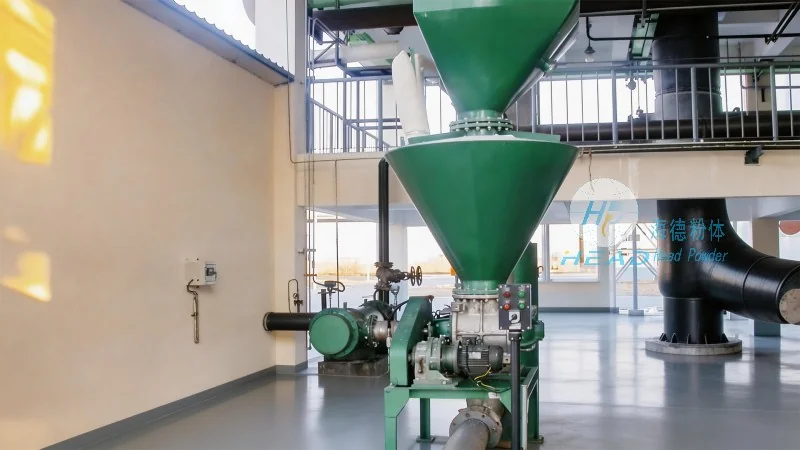
The structural principle of the dry desulfurizer pneumatic conveying system revolves around the utilization of air as the primary conveying medium. This pneumatic transport method enables the dry desulfurization agent to be moved through a network of pipelines without the need for mechanical contact, thereby minimizing wear and tear on the material and equipment. The system typically comprises four core components: a feeding device, a conveying pipeline, a dust removal system, and a control system. Each component works in tandem to achieve the overall goal of efficient material transport.
1. Feeder: The feeder is a critical component responsible for uniformly feeding the dry desulfurization agent into the conveying pipeline. It ensures a consistent flow rate, preventing blockages and maintaining the stability of the conveying process. Common types include screw feeders, vibratory feeders, and rotary valve feeders, each selected based on the specific characteristics of the desulfurization agent (e.g., particle size, bulk density, and flowability). The feeder is designed to handle varying feed rates and maintain a stable feed, which is essential for the system's overall efficiency.
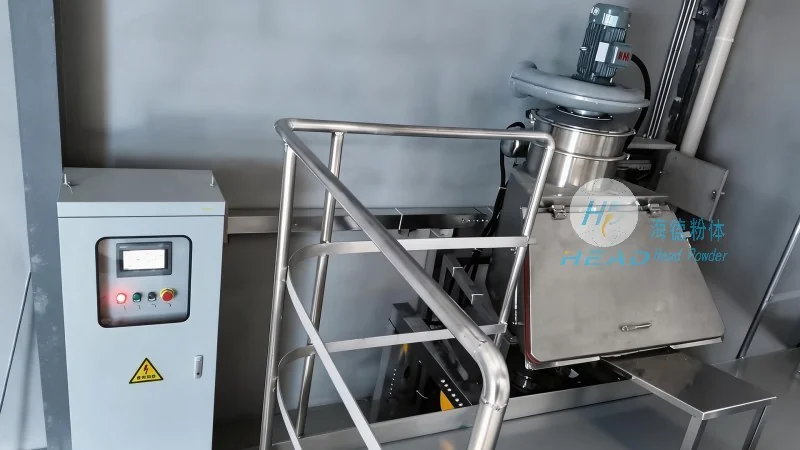
2. Pneumatic Conveying Pipeline: The pipeline serves as the main channel for transporting the desulfurization agent. Constructed from corrosion-resistant materials such as stainless steel or high-grade plastic, it is engineered to withstand the chemical properties of the desulfurization agent and resist wear from repeated use. The pipeline incorporates bends, valves, and other accessories to control the direction and speed of the air flow, ensuring the material is conveyed smoothly without excessive pressure loss. The design of the pipeline, including its diameter and length, is optimized to minimize energy consumption and maximize conveying efficiency.
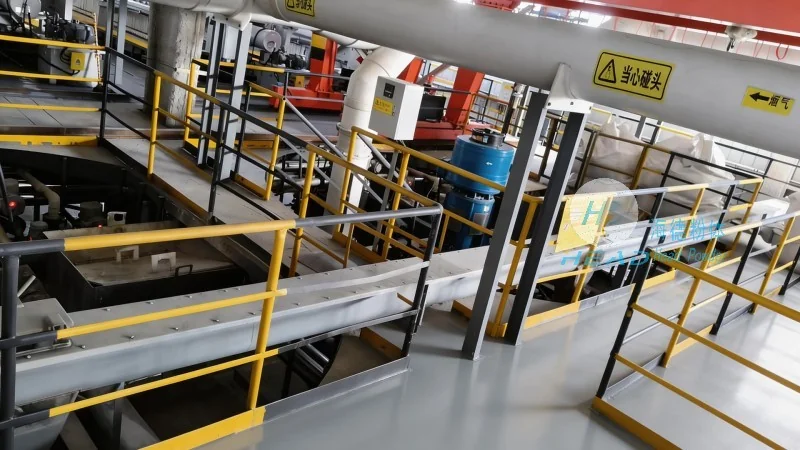
3. Dust Removal System: The dust removal system is indispensable for maintaining the purity of the conveying medium and protecting downstream equipment from dust accumulation. It typically includes a cyclone separator, a bag filter, or a wet scrubber, depending on the specific requirements of the application. The cyclone separator uses centrifugal force to separate dust particles from the air, while the bag filter traps particles using fabric filters. The system is designed to capture and remove dust efficiently, ensuring that the conveying medium remains clean and free from contaminants. This not only extends the service life of the equipment but also maintains the efficiency of the entire system by preventing clogging and reducing pressure drop.
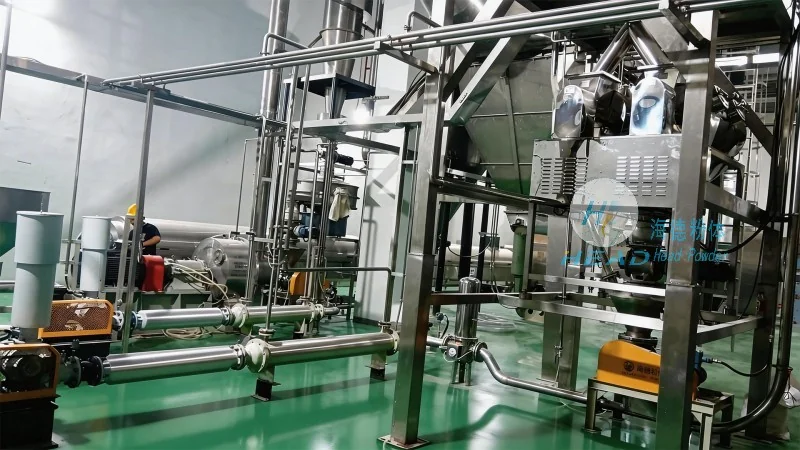
4. Control System: The control system monitors and regulates the operation of the entire pneumatic conveying system. It integrates sensors, controllers, and other devices to track parameters such as pressure, flow rate, temperature, and feed rate. The system can be programmed to adjust the operation of the feeder, pipeline, and dust removal components in real-time, ensuring stable and efficient conveying. It also includes alarm and warning functions to detect abnormalities, such as pressure drops or over-temperature conditions, and trigger appropriate responses to prevent system failures. The control system enhances the reliability and safety of the operation, making it a critical component for industrial applications.
The dry desulfurizer pneumatic conveying system is widely employed in industries where sulfur dioxide emissions need to be controlled, such as thermal power plants, coal-fired boilers, and chemical processing facilities. In these applications, the system efficiently transports dry desulfurization agents (e.g., limestone or calcium carbonate) to the desulfurization reactor, where they react with SO₂ to form gypsum or other byproducts. The benefits of using this system include improved operational efficiency, reduced maintenance costs, and enhanced safety. The pneumatic conveying method eliminates the need for manual handling, reducing the risk of dust exposure and accidents. Additionally, the system is flexible and can be adapted to different plant layouts and production scales, making it a versatile solution for various industrial needs.

 Shandong Headpowder Engineering Co., Ltd.
 156-6277-7102(Manager Zhang)
  0531-83386006
  Zhangqiu District, Jinan City, Shandong Province, China
telephone
WeChatconsult
top