With more than 10‑year industry experience, Shandong Headpowder delivers full‑service pneumatic‑conveying systems and blowers, undertaking nationwide turn‑key powder‑handling projects.
For industries dealing with cereal products, efficient and reliable material handling is crucial. The pneumatic conveying system is a key solution, and this article introduces the equipment used for cereal transportation, focusing on its structure and operational principles. The information is provided by Shandong HeadPowder Engineering Co., Ltd., a leading manufacturer in this field.
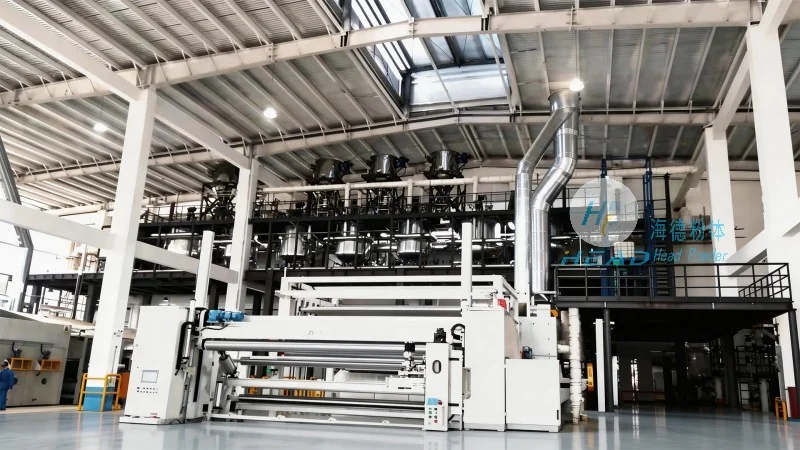
HeadPowder, a professional enterprise based in Shandong, China, specializes in the design and manufacturing of pneumatic conveying equipment tailored for cereal processing. The company's expertise lies in creating systems that ensure safe, efficient, and cost-effective transportation of cereal products from raw material handling to final packaging. The equipment is engineered to meet the specific demands of the cereal industry, addressing challenges such as dust control, material flow consistency, and system durability.
The core components of a typical cereal pneumatic conveying system include the hopper, feeder, air compressor, conveying line, and receiver. The hopper is designed to store and feed the cereal material into the system, ensuring a steady supply. The feeder, often a rotary valve or a screw feeder, regulates the material flow into the conveying line. The air compressor generates the necessary air pressure to move the material through the pipeline. The conveying line, usually made of stainless steel or other corrosion-resistant materials, transports the cereal and air mixture. The receiver collects the conveyed material and separates it from the air, completing the process.
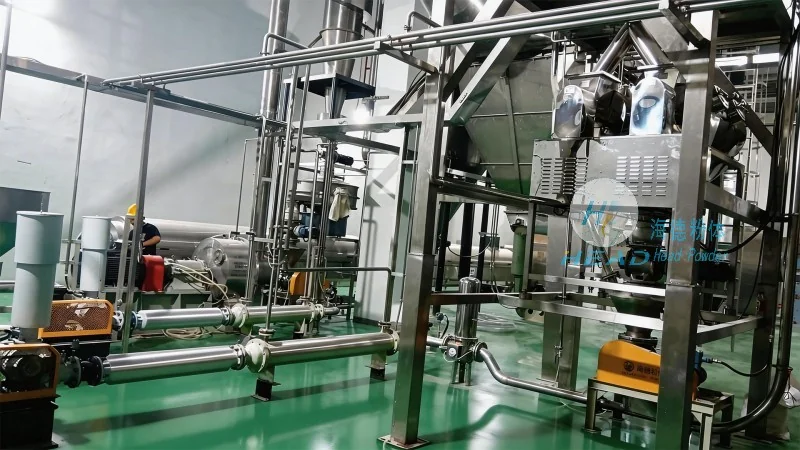
The operation of the system is based on the principle of air suspension. When the air compressor supplies compressed air, it creates a pressure differential that lifts and transports the cereal particles through the conveying line. The material is carried by the air stream, which can be either positive pressure (where air is forced into the line) or negative pressure (where air is drawn out). The system's design ensures that the cereal particles remain suspended in the air, preventing blockages and maintaining a consistent flow rate. The receiver uses a cyclone separator or other filtration equipment to separate the material from the air, allowing the air to be recycled or vented as needed.
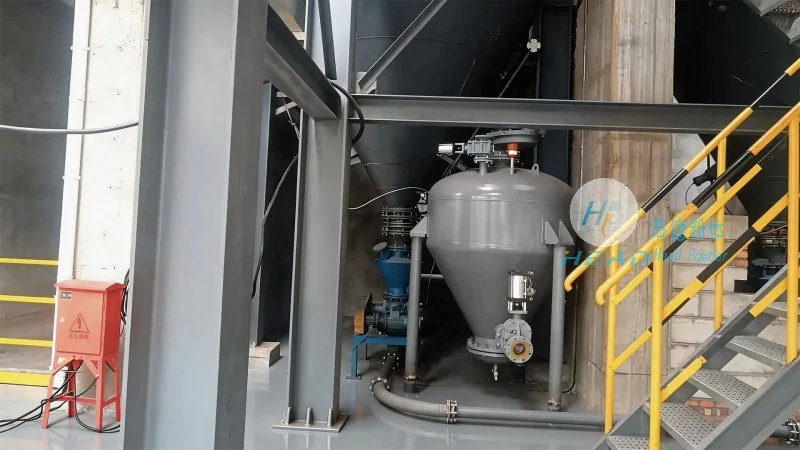
Compared to traditional mechanical conveying methods, pneumatic systems offer several advantages for cereal processing. They provide a dust-free environment, which is essential for maintaining product quality and worker safety. The enclosed system prevents contamination and loss of material during transportation. Additionally, pneumatic conveying can handle a wide range of cereal types, from fine powders to larger granules, with minimal product degradation. The system's flexibility allows for easy integration into existing production lines, and its compact design saves space in the processing facility.
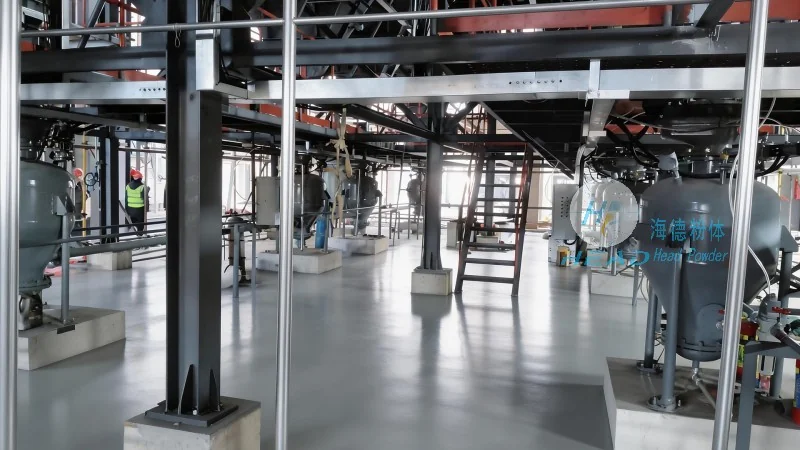
Shandong HeadPowder Engineering Co., Ltd. offers customized solutions to meet the diverse needs of cereal processing plants. The company's engineers work closely with clients to design systems that fit specific production capacities, material characteristics, and operational requirements. Applications include conveying raw cereals like wheat, corn, and oats, as well as processed products such as flour, breakfast cereals, and cereal mixes. The equipment is suitable for both small-scale and large-scale operations, ensuring scalability and adaptability.
HeadPowder adheres to strict quality control standards to ensure the reliability and longevity of its pneumatic conveying equipment. The components are made from high-quality materials, such as stainless steel and durable plastics, which resist corrosion and wear. Regular maintenance is essential to keep the system operating efficiently. The company provides comprehensive maintenance services, including routine inspections, part replacements, and troubleshooting support, to minimize downtime and maximize system performance.

 Shandong Headpowder Engineering Co., Ltd.
 156-6277-7102(Manager Zhang)
  0531-83386006
  Zhangqiu District, Jinan City, Shandong Province, China
telephone
WeChatconsult
top