With more than 10‑year industry experience, Shandong Headpowder delivers full‑service pneumatic‑conveying systems and blowers, undertaking nationwide turn‑key powder‑handling projects.
HeadPowder, a leading engineering company based in Shandong, China, specializes in the design, manufacturing, and installation of advanced pneumatic conveying systems tailored for handling capsule materials. This article provides a detailed overview of the operation process and working principles of such systems, highlighting their efficiency, reliability, and the technical aspects that make them ideal for pharmaceutical and food processing industries.
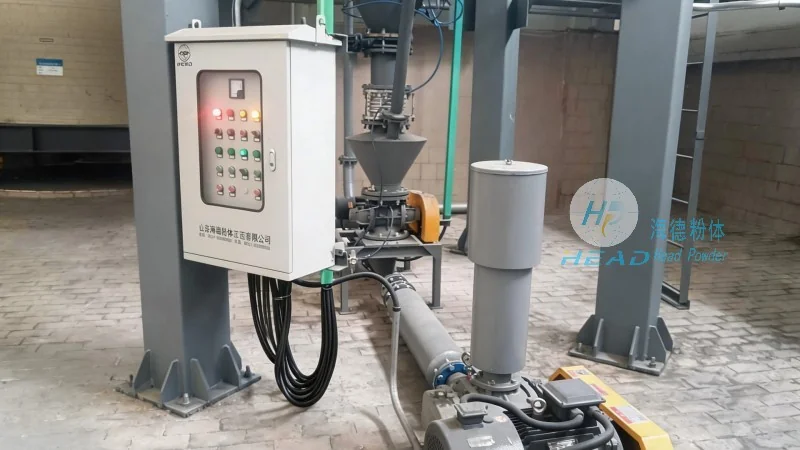
Pneumatic conveying systems are essential for transporting capsule materials, such as soft gelatin capsules, hard gelatin capsules, or other similar dosage forms, from one location to another within a manufacturing facility. These systems utilize air or gas to move the material through a network of pipes, eliminating the need for mechanical components like belts or chains that might cause contamination or damage to the sensitive capsule products.
A typical pneumatic conveying system for capsule materials consists of several key components, each playing a crucial role in the overall operation. These components include the material hopper, the air supply unit, the conveying line, the separation or collection equipment, and the control system. The material hopper serves as the storage container, holding the capsule material ready for transport. The air supply unit generates the necessary air pressure or vacuum to move the material through the system. The conveying line, often made of stainless steel to ensure hygiene and durability, carries the capsules from the hopper to the destination. The separation or collection equipment, such as cyclones or filters, separates the capsules from the air stream and collects them in a designated container. The control system monitors and regulates the flow of material and air, ensuring smooth and consistent operation.
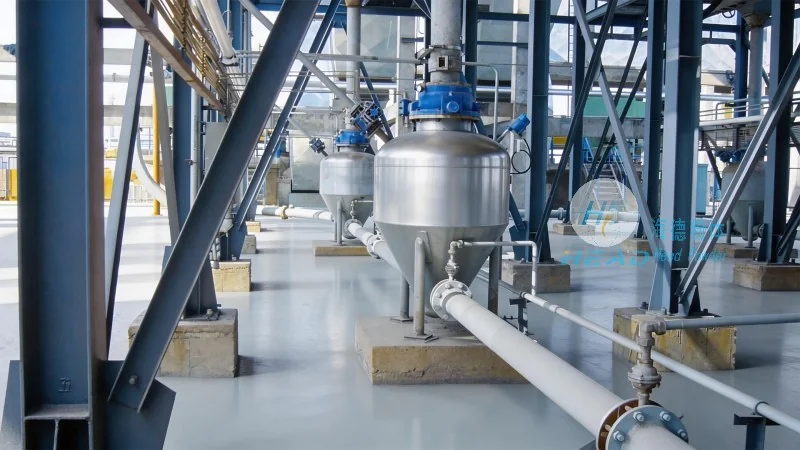
The operation of a capsule material pneumatic conveying system follows a systematic process, ensuring efficient and safe material handling. The process typically begins with the loading of the capsule material into the hopper. Once the hopper is filled, the air supply unit activates, creating a pressure differential that draws the capsules into the conveying line. As the capsules travel through the pipe, they are propelled by the air flow, moving from the source to the destination. At the receiving end, the separation equipment works to separate the capsules from the air, preventing any loss or contamination. The collected capsules are then transferred to the next processing stage or storage area. The control system continuously monitors the pressure, flow rate, and material level, adjusting the air supply as needed to maintain optimal performance.
The working principle of a pneumatic conveying system for capsule materials is based on the principles of fluid dynamics and air movement. When the air supply unit creates a pressure or vacuum, it generates a flow of air through the conveying line. The capsules are then entrained in this air stream, moving along with the air. The velocity of the air is carefully controlled to ensure that the capsules are transported without damage, while maintaining a consistent flow rate. The system may use either positive pressure (where air is blown into the line to push the material) or negative pressure (where air is drawn out to pull the material), depending on the specific application and the distance to be covered. The choice of system type (e.g., dilute phase or dense phase) also affects the operation, with dilute phase systems being suitable for short distances and low material loads, while dense phase systems are better for longer distances and higher material concentrations.
Pneumatic conveying systems offer several advantages when handling capsule materials. Firstly, they provide a clean and hygienic environment, as the material is not in direct contact with mechanical components, reducing the risk of contamination. Secondly, they are highly efficient, allowing for continuous and automated material transport, which increases productivity and reduces labor costs. Thirdly, these systems are flexible and can be easily integrated into existing manufacturing lines, adapting to changes in production volume or product types. Additionally, they are compact and require minimal floor space, making them suitable for facilities with limited space. Finally, the systems are low maintenance, with fewer moving parts compared to traditional mechanical conveyors, resulting in lower operational costs and longer service life.
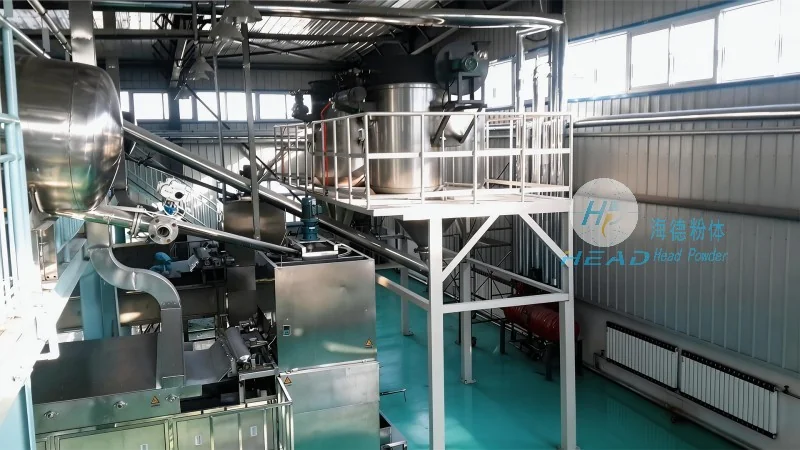
The pneumatic conveying systems designed by HeadPowder are widely used in the pharmaceutical and food industries for handling various capsule products. In pharmaceutical manufacturing, these systems are used to transport finished capsules from the filling and sealing line to the packaging or storage area, ensuring a seamless and contamination-free process. In the food industry, they are employed to move soft gelatin capsules or other dosage forms from the production line to the packaging stage, maintaining the quality and integrity of the products. The systems are also suitable for handling other materials, such as powders or granules, making them versatile solutions for different industrial applications.
HeadPowder's pneumatic conveying systems for capsule materials represent a reliable and efficient solution for material handling in the pharmaceutical and food industries. By understanding the operation process and working principles of these systems, manufacturers can optimize their production lines, improve product quality, and enhance overall operational efficiency. With their advanced design and robust construction, these systems ensure consistent performance and minimal downtime, making them a valuable investment for any facility handling capsule materials.

 Shandong Headpowder Engineering Co., Ltd.
 156-6277-7102(Manager Zhang)
  0531-83386006
  Zhangqiu District, Jinan City, Shandong Province, China
telephone
WeChatconsult
top