With more than 10‑year industry experience, Shandong Headpowder delivers full‑service pneumatic‑conveying systems and blowers, undertaking nationwide turn‑key powder‑handling projects.
Desulfurization and dust removal processes in power plants and industrial facilities generate large volumes of fly ash, a fine powder that requires efficient handling and transportation. The HeadPowder Engineering Co., Ltd. has developed advanced pneumatic conveying machines specifically designed to address these challenges, ensuring safe, reliable, and cost-effective material transport. This article explores the operation process and working principle of such systems, highlighting their key components and operational efficiency.
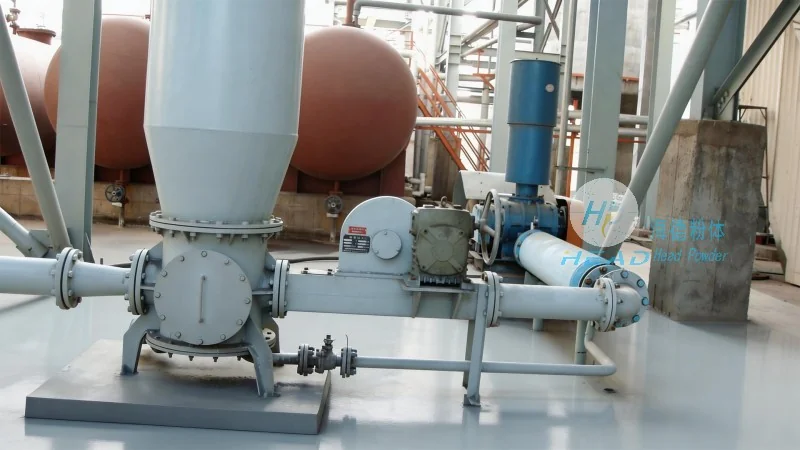
HeadPowder Engineering Co., Ltd., based in Shandong, China, specializes in engineering solutions for bulk material handling, particularly in the power and industrial sectors. With a focus on innovation and customer-centric design, the company provides high-quality pneumatic conveying equipment tailored to meet the unique demands of desulfurization and dust removal applications. Their expertise in material flow dynamics and system integration ensures optimal performance and longevity of the equipment.
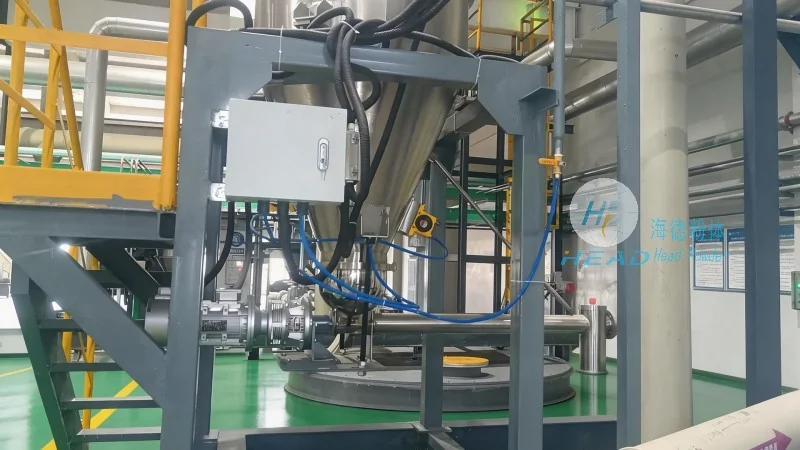
The operation of a desulfurization and dust removal fly ash powder pneumatic conveying machine involves several key steps, each designed to ensure efficient material transport from the source to the destination. The process typically begins with the feeding of fly ash into the conveying system. A feeder, such as a rotary valve or a screw conveyor, controls the flow rate of the ash, ensuring a consistent and controlled input. This is followed by the introduction of air or gas into the system, which creates a flow that propels the ash particles through the pipeline. The conveying line may include various components like bends, elbows, and expansion joints to accommodate changes in direction and elevation. At the receiving end, a separator or a cyclone separates the ash from the air stream, allowing the ash to be deposited in a storage silo or a disposal container. The air, now free of ash particles, is either filtered and recycled back into the system or discharged to the atmosphere, depending on the system design and environmental regulations.
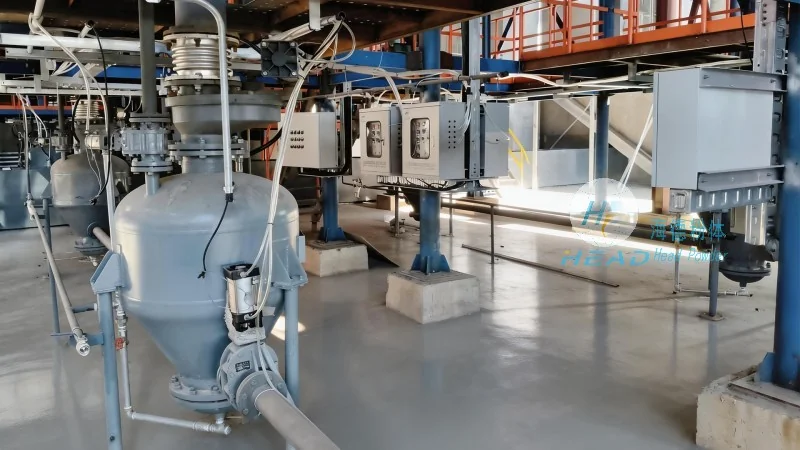
The working principle of the desulfurization and dust removal fly ash powder pneumatic conveying machine is based on the fundamental concept of pneumatic transport, where solid particles are suspended and transported by a moving gas stream. The system operates under either positive pressure or negative pressure (vacuum) conditions. In positive pressure systems, compressed air is supplied to the conveying line, creating a pressure differential that pushes the ash particles forward. The air velocity within the pipeline must be sufficient to keep the ash particles in suspension, typically ranging from 15 to 30 meters per second for fine powders like fly ash. The design of the pipeline, including its diameter and length, is critical to maintaining the required air velocity and preventing particle deposition or blockages. Negative pressure systems, on the other hand, use suction to draw the ash particles into the conveying line, which is often preferred for applications where the material needs to be transported from a higher elevation to a lower one or where the system is integrated with existing ventilation infrastructure. The choice between positive and negative pressure depends on factors such as the distance, elevation changes, and the nature of the ash being transported.
Implementing a pneumatic conveying system for desulfurization and dust removal fly ash offers several advantages over traditional methods like bucket elevators or belt conveyors. Firstly, it eliminates the need for mechanical components in contact with the ash, reducing wear and tear and minimizing the risk of contamination. The system is also highly flexible, allowing for changes in the conveying route or destination without major modifications. Additionally, pneumatic conveying systems are capable of handling fine and abrasive materials like fly ash without causing excessive wear on the equipment. The enclosed pipeline design prevents dust emissions, improving workplace safety and compliance with environmental regulations. Furthermore, the system can be integrated with other processes, such as ash utilization or recycling, by connecting to downstream equipment like storage silos or processing units. The overall operational cost is also lower due to reduced maintenance requirements and energy efficiency compared to traditional methods.
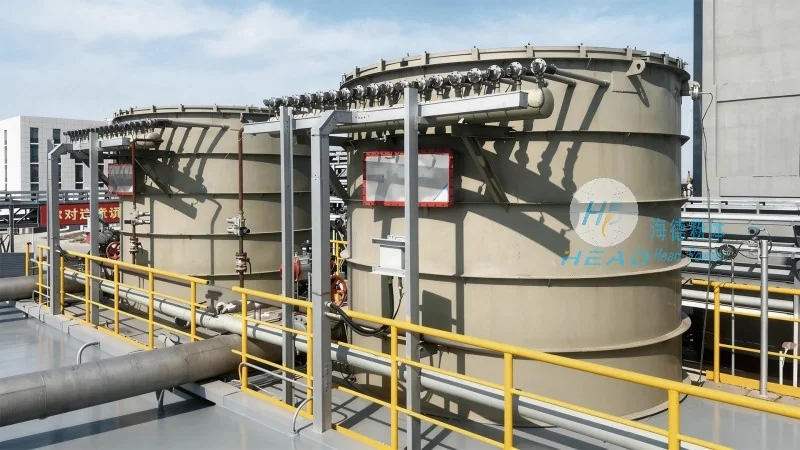
The desulfurization and dust removal fly ash powder pneumatic conveying machine developed by HeadPowder Engineering Co., Ltd. represents a reliable and efficient solution for handling fine powders in industrial applications. By understanding the operation process and working principle of the system, users can optimize its performance and ensure compliance with environmental standards. The company's expertise in engineering and material handling ensures that the equipment is tailored to meet the specific needs of each project, providing long-term benefits in terms of safety, efficiency, and cost-effectiveness. For facilities dealing with large volumes of fly ash, investing in such a system is a strategic decision that enhances operational productivity and environmental responsibility.

 Shandong Headpowder Engineering Co., Ltd.
 156-6277-7102(Manager Zhang)
  0531-83386006
  Zhangqiu District, Jinan City, Shandong Province, China
telephone
WeChatconsult
top