With more than 10‑year industry experience, Shandong Headpowder delivers full‑service pneumatic‑conveying systems and blowers, undertaking nationwide turn‑key powder‑handling projects.
For industrial applications involving the handling of pigment powders, efficient and reliable material transport is crucial. The pneumatic conveying line, a system designed to move dry bulk materials like pigments through a pipeline using air pressure, offers a solution that minimizes dust exposure and ensures consistent flow. This article explores the operation process and working principle of such a system, highlighting its key components and the steps involved in its operation.
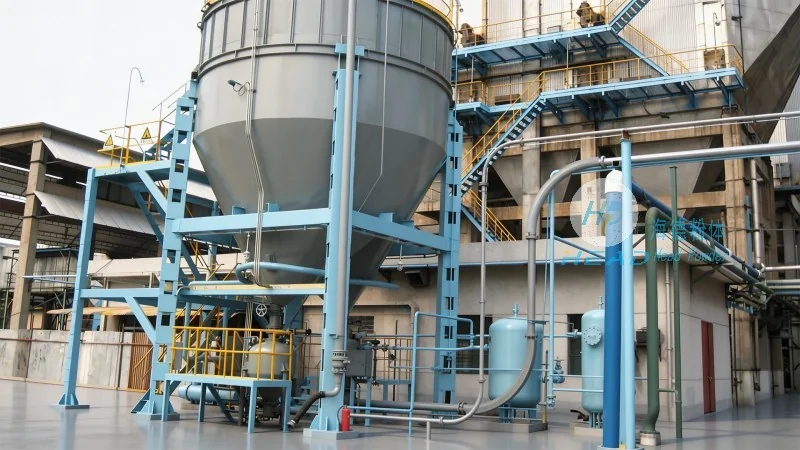
Pigment powder pneumatic conveying lines are engineered to transport fine powders, such as those used in coatings, inks, and plastics manufacturing, from storage silos or processing units to production lines. The system typically consists of a series of components, including a hopper for material storage, a conveyor pipeline, a fan or blower to generate airflow, and a receiver for the delivered material. This integrated setup ensures that pigments are moved safely and efficiently, adhering to industrial standards for material handling.
The effectiveness of a pigment powder pneumatic conveying line depends on the proper functioning of several key components. The material hopper, often equipped with a feeder or valve, serves as the initial storage point, controlling the flow of pigment powder into the system. The conveyor pipeline, usually made of stainless steel or other corrosion-resistant materials, is designed to withstand the abrasive nature of pigments and maintain airtight integrity. The fan or blower provides the necessary air pressure to move the material through the pipeline, with adjustable speed settings to accommodate varying material flow rates. Finally, the material receiver collects the delivered pigment powder, often equipped with a discharge valve for controlled release into the next processing stage.
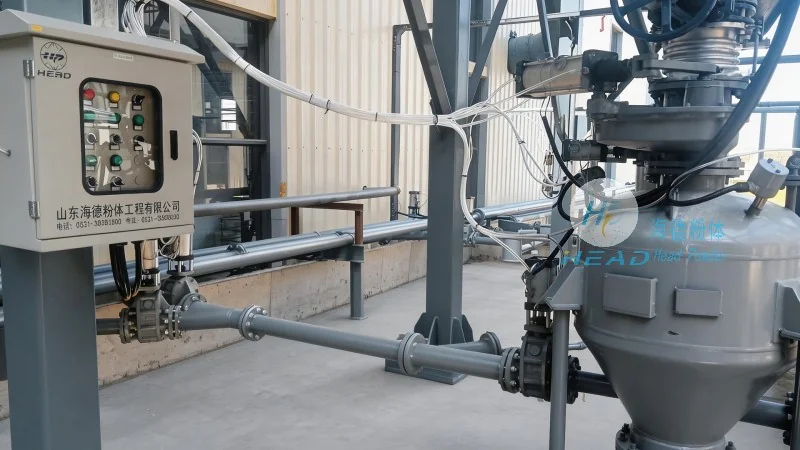
The operation of a pigment powder pneumatic conveying line involves a sequence of steps that ensure smooth and continuous material transport. The process begins with the material being fed from the hopper into the conveyor pipeline. As the fan or blower activates, it generates a stream of air that pulls the pigment powder particles into the pipeline. The air velocity is carefully controlled to maintain a stable suspension of the powder, preventing clogging or uneven flow. The material travels through the pipeline to the receiver, where it is deposited and collected. The system may include additional features, such as a filter to capture any airborne particles and a pressure regulator to maintain consistent airflow, enhancing overall performance and safety.
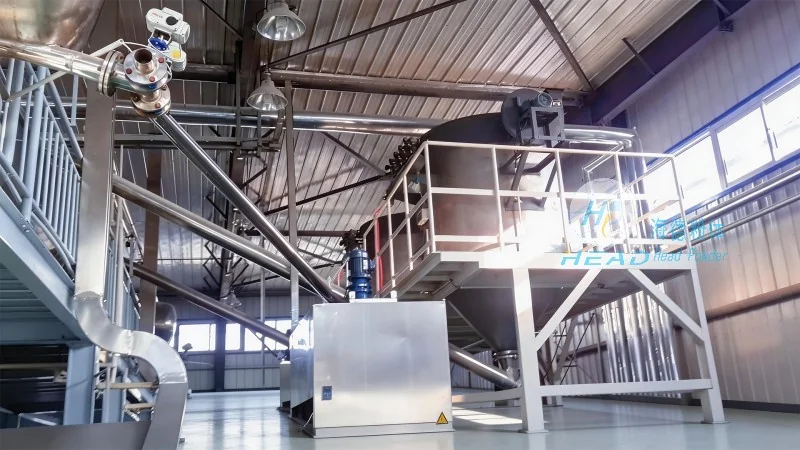
The working principle of a pigment powder pneumatic conveying line is based on the use of air as the conveying medium. When the fan or blower operates, it creates a pressure differential between the inlet and outlet of the pipeline. This pressure difference causes the air to flow through the pipeline, carrying the pigment powder particles along with it. The velocity of the air must be sufficient to overcome the gravitational force acting on the powder particles and maintain them in suspension. The system relies on the principle of fluidization, where the air flow causes the powder to behave like a fluid, allowing it to be transported through the pipeline without the need for mechanical components like belts or screws. This method not only reduces the risk of material degradation but also minimizes the need for maintenance compared to traditional mechanical conveying systems.
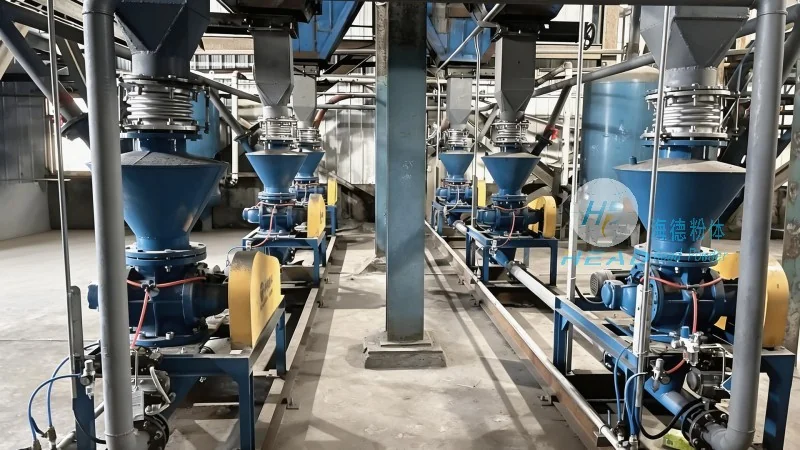
The use of pneumatic conveying lines for pigment powder transport offers several advantages in industrial settings. These systems provide a dust-free environment, which is critical for maintaining product quality and ensuring workplace safety. The enclosed pipeline design prevents the release of fine particles into the air, reducing the risk of inhalation hazards and contamination. Additionally, the system allows for precise control over material flow rates, enabling manufacturers to adjust the amount of pigment delivered to production lines as needed. This flexibility is particularly valuable in applications where varying pigment concentrations are required. The system is widely used in the coatings, inks, plastics, and pharmaceutical industries, where the handling of fine powders is essential for product consistency and quality.
In conclusion, the operation process and working principle of pigment powder pneumatic conveying lines are designed to provide an efficient, safe, and reliable method for transporting dry bulk materials. The system's components work in tandem to ensure consistent material flow, minimize dust exposure, and maintain product integrity. As a key technology in industrial material handling, these lines are essential for manufacturers relying on pigment powders in their production processes. The expertise of companies like Shandong HeadPowder Engineering Co., Ltd., based in China, plays a vital role in designing and implementing such systems to meet the specific needs of various industries.

 Shandong Headpowder Engineering Co., Ltd.
 156-6277-7102(Manager Zhang)
  0531-83386006
  Zhangqiu District, Jinan City, Shandong Province, China
telephone
WeChatconsult
top