With more than 10‑year industry experience, Shandong Headpowder delivers full‑service pneumatic‑conveying systems and blowers, undertaking nationwide turn‑key powder‑handling projects.
At Shandong HeadPowder Engineering Co., Ltd., we specialize in the design, manufacturing, and application of advanced pneumatic conveying systems tailored for bentonite powder handling. Our equipment is engineered to ensure efficient, reliable, and safe transportation of bentonite powder, a critical material in various industrial sectors such as construction, oil drilling, and environmental remediation. This article delves into the operational workflow and underlying principles of our bentonite powder pneumatic conveying equipment, highlighting key components, processes, and the technical advantages that make our systems superior in performance.
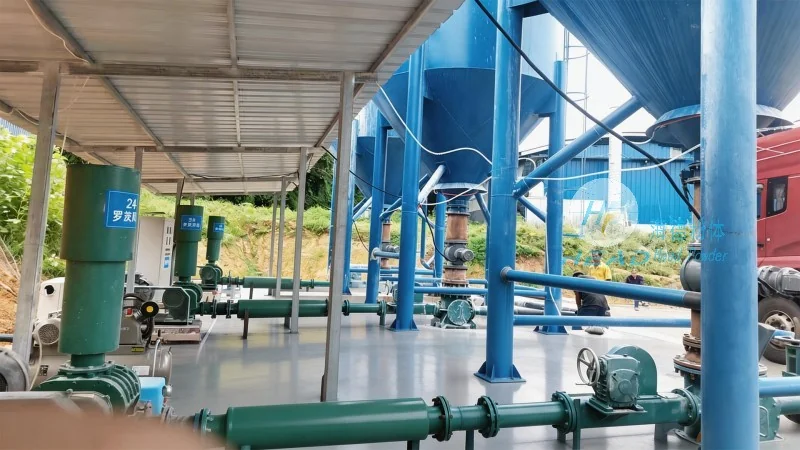
The bentonite powder pneumatic conveying system consists of several integral components that work in tandem to achieve seamless material transport. The primary components include a material hopper, a rotary airlock feeder, a positive displacement blower or high-pressure compressor, a pipeline network, and a dust collection system. Each component plays a crucial role in the overall operation, ensuring that bentonite powder is conveyed from the source to the destination without degradation or loss.
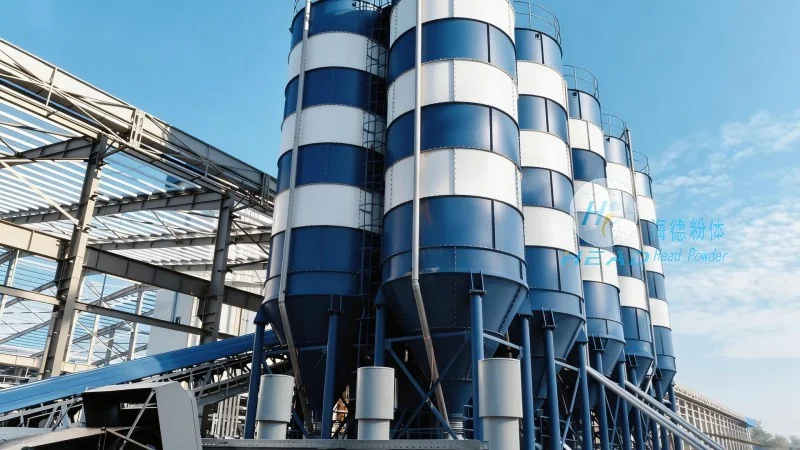
The process begins with the storage of bentonite powder in a sturdy, dust-tight hopper. The hopper is designed to accommodate bulk quantities of the material, providing a consistent feed to the downstream equipment. Its construction typically involves corrosion-resistant materials, such as stainless steel or coated steel, to prevent contamination and ensure longevity. The hopper is equipped with a level indicator to monitor the material inventory, and a discharge valve to control the flow rate. This initial stage is critical as it sets the foundation for the entire conveying process, ensuring a steady supply of material to the feeder.
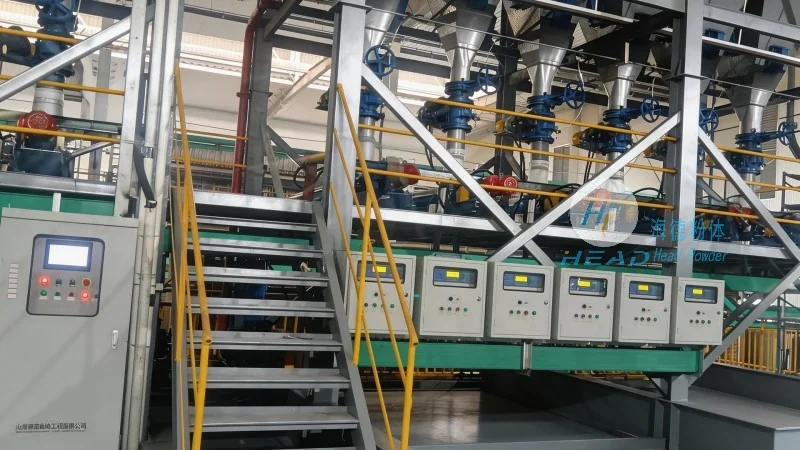
The rotary airlock feeder is a critical component that regulates the flow of bentonite powder from the hopper into the conveying pipeline. This device operates by using a rotating valve to meter the material, preventing backflow and maintaining a consistent feed rate. The airlock feeder is designed to handle dry, free-flowing powders like bentonite, ensuring that the material is discharged at a controlled rate without clogging or excessive pressure buildup. Its design minimizes material degradation by reducing friction and impact, which is essential for maintaining the quality of the bentonite powder during transport.
The heart of the pneumatic conveying system is the positive displacement blower or compressor, which generates the necessary air pressure to move the bentonite powder through the pipeline. This equipment is specifically selected based on the system's requirements, including the material's bulk density, pipeline length, and desired conveying velocity. The blower operates by compressing air and forcing it through the pipeline, creating a pressure differential that propels the powder particles. The choice between a blower and a compressor depends on factors such as the required pressure and flow rate, with blowers generally preferred for low to medium pressure applications and compressors for high-pressure needs.
The pipeline network is a network of pipes that connects the feeder to the discharge point, forming the pathway for the bentonite powder. The pipes are typically made of materials such as stainless steel, PVC, or polyethylene, selected based on the material's properties and the operating conditions. The pipeline design considers factors such as the material's flow characteristics, pressure drop, and the need for bends and fittings. To minimize pressure loss and ensure smooth flow, the pipeline is often equipped with smooth, non-porous surfaces and minimal bends. The length and diameter of the pipeline are optimized to maintain the required velocity of the powder-air mixture, preventing settling or clogging.
As part of the overall system, a dust collection and filtration system is integrated to capture any airborne particles and ensure compliance with environmental regulations. This system typically includes a cyclone separator or a baghouse filter, which removes fine particles from the exhaust air before it is released into the environment. The collected dust is returned to the hopper or disposed of according to local regulations. This component is essential for maintaining a clean and safe working environment, as well as preventing the loss of valuable bentonite powder.
The operational workflow of the bentonite powder pneumatic conveying system follows a sequential process that ensures efficient material transport. The process begins with the loading of bentonite powder into the hopper. The rotary airlock feeder then meters the material into the pipeline, while the positive displacement blower generates the air pressure to move the powder. The powder-air mixture travels through the pipeline to the discharge point, where it is collected in a receiving hopper or directly to the end-use application. The system operates continuously, with the feeder and blower working in sync to maintain a consistent flow rate. The dust collection system continuously removes any particles that may escape, ensuring that the system operates efficiently and safely.
The working principle of the bentonite powder pneumatic conveying system is based on the principle of fluidization and suspension. The bentonite powder is suspended in the air stream, forming a dense phase or dilute phase mixture, depending on the system's design. The positive displacement blower creates a pressure difference that propels the powder particles through the pipeline. The velocity of the air stream is maintained above the minimum conveying velocity required to keep the powder particles suspended, preventing them from settling or clogging the pipeline. The system's efficiency is influenced by factors such as the material's bulk density, particle size distribution, and the pipeline's length and diameter. By optimizing these parameters, our equipment ensures that bentonite powder is transported efficiently and reliably.
Our bentonite powder pneumatic conveying equipment offers several technical advantages that make it superior to traditional conveying methods. These advantages include high conveying capacity, minimal material degradation, low maintenance requirements, and the ability to handle abrasive or corrosive materials like bentonite. Performance metrics such as the conveying velocity, pressure drop, and system efficiency are carefully monitored and optimized to ensure that the equipment operates at peak performance. The use of advanced materials and design techniques ensures that our systems are durable, reliable, and cost-effective, providing long-term value to our clients.
In conclusion, the bentonite powder pneumatic conveying equipment from Shandong HeadPowder Engineering Co., Ltd. is a sophisticated system designed to handle the unique challenges of transporting bentonite powder. By integrating key components such as the material hopper, rotary airlock feeder, positive displacement blower, and pipeline network, our equipment ensures efficient, reliable, and safe material transport. The working principle, based on fluidization and suspension, allows for the seamless movement of bentonite powder through the system, while the dust collection and filtration system maintains environmental and operational standards. With its technical advantages and performance metrics, our equipment is an ideal solution for industries that require high-quality, efficient handling of bentonite powder.

 Shandong Headpowder Engineering Co., Ltd.
 156-6277-7102(Manager Zhang)
  0531-83386006
  Zhangqiu District, Jinan City, Shandong Province, China
telephone
WeChatconsult
top