With more than 10‑year industry experience, Shandong Headpowder delivers full‑service pneumatic‑conveying systems and blowers, undertaking nationwide turn‑key powder‑handling projects.
Phenolic resin, a versatile thermosetting polymer, is widely used in various industrial applications due to its excellent mechanical properties, electrical insulation, and chemical resistance. The efficient and reliable transportation of phenolic resin materials is crucial for maintaining production efficiency and product quality in manufacturing processes. This article provides a detailed overview of the operation process and working principle of a phenolic resin material conveying line, highlighting the key components, operational steps, and technical considerations involved in its functionality. The information is presented by Shandong HeadPowder Engineering Co., Ltd., a leading manufacturer specializing in material handling solutions for industrial applications.
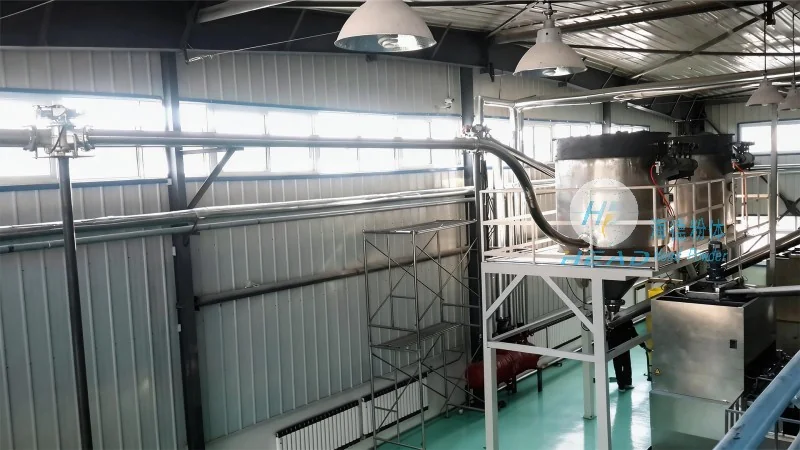
A phenolic resin material conveying line is a specialized system designed to transport phenolic resin powders or granules from storage to processing units, such as mixers, extruders, or molding machines. The system integrates various components, including hoppers, feeders, conveyors, and control systems, to ensure smooth and controlled material flow. The design of such a line is tailored to the specific characteristics of phenolic resin, which can be abrasive, sticky, or prone to dust generation, requiring specialized equipment to handle these challenges effectively.
The phenolic resin material conveying line typically consists of several critical components that work in tandem to achieve efficient material handling. The primary components include:
The operation of a phenolic resin material conveying line follows a systematic sequence to ensure continuous and reliable material transport. The process typically begins with the loading of phenolic resin into the material hopper. Once the hopper is filled, the feeder is activated to regulate the flow of resin into the conveyor. The conveyor then transports the resin to the processing unit, where it is further processed or used in manufacturing.
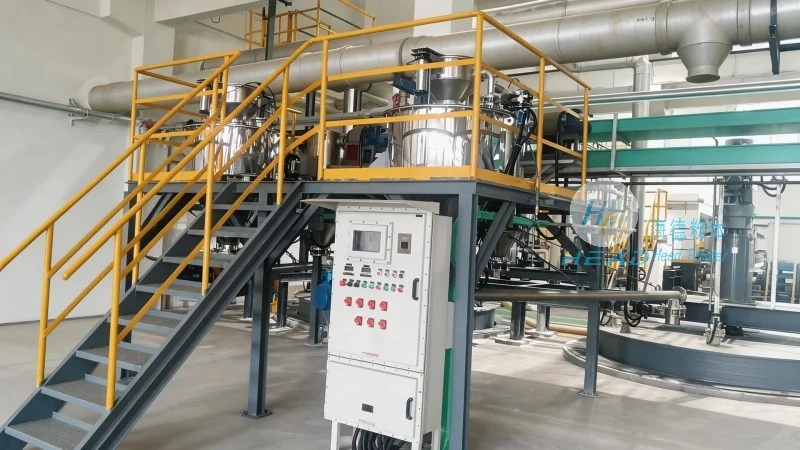
During operation, the control system continuously monitors key parameters such as material level in the hopper, flow rate from the feeder, and conveyor speed. Any deviations from the set points are detected and corrected by the PLC, ensuring stable operation. For example, if the hopper level is low, the control system may trigger a signal to add more material or adjust the feeder speed to maintain consistent flow.
The working principle of a phenolic resin material conveying line is based on the principles of material handling and mechanical transport. The system operates by converting the potential energy of the material in the hopper into kinetic energy through the feeder and conveyor. The feeder ensures a uniform and controlled discharge of the resin, while the conveyor moves the material along the designated path.
For screw conveyors, the working principle involves the rotation of a screw within a trough. As the screw rotates, it pushes the phenolic resin forward, creating a continuous flow. The speed of the screw and the pitch of the threads are critical parameters that determine the flow rate and pressure within the system. Proper design of the screw conveyor ensures that the material is transported without excessive friction or degradation.
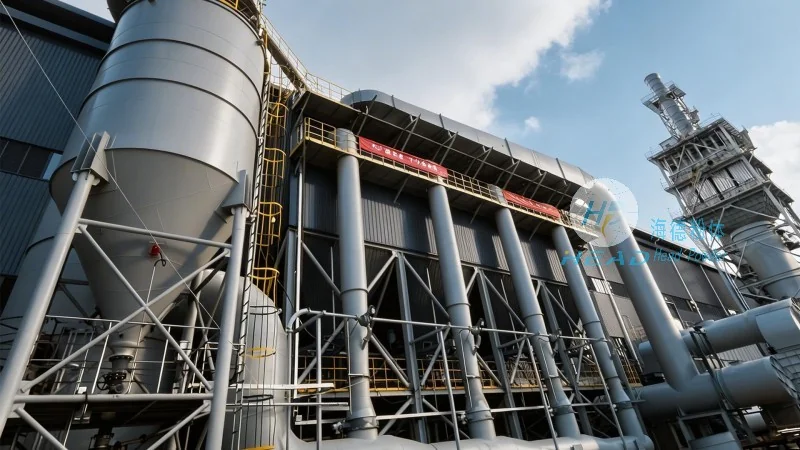
Handling phenolic resin requires special considerations due to its unique properties. Phenolic resin can be abrasive, which may cause wear on conveyor components. Therefore, materials such as stainless steel or wear-resistant alloys are often used for the screw and trough to extend the equipment's lifespan. Additionally, phenolic resin is prone to dust generation, necessitating dust collection systems and proper ventilation to maintain a safe working environment.
Temperature control is another important factor. Phenolic resin may be sensitive to temperature changes, which can affect its flow characteristics. The conveying line is designed to maintain a consistent temperature, either by insulating the hopper or using temperature-controlled conveyors, to ensure optimal material performance.
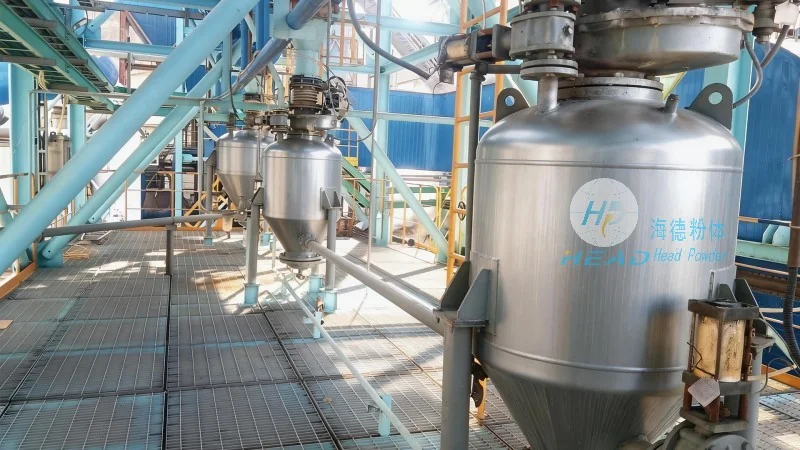
Phenolic resin material conveying lines are widely used in industries such as automotive, electrical, and construction, where phenolic resin is used in the production of components like insulators, adhesives, and molded parts. The benefits of using a specialized conveying line include improved production efficiency, reduced material waste, and enhanced safety through automated control and monitoring.
By ensuring consistent and reliable material flow, the conveying line helps maintain product quality and reduces downtime caused by material handling issues. The system's ability to handle abrasive and sticky materials makes it a cost-effective solution for phenolic resin processing, contributing to overall operational efficiency.
In conclusion, the operation process and working principle of a phenolic resin material conveying line are critical for efficient material handling in industrial applications. The system's design, components, and operational steps are tailored to the unique properties of phenolic resin, ensuring smooth and controlled transport from storage to processing units. With proper maintenance and control, such a conveying line can significantly enhance production efficiency and product quality, making it an essential component in phenolic resin manufacturing processes.

 Shandong Headpowder Engineering Co., Ltd.
 156-6277-7102(Manager Zhang)
  0531-83386006
  Zhangqiu District, Jinan City, Shandong Province, China
telephone
WeChatconsult
top