With more than 10‑year industry experience, Shandong Headpowder delivers full‑service pneumatic‑conveying systems and blowers, undertaking nationwide turn‑key powder‑handling projects.
Ammonium nitrate (AN) is a critical industrial chemical widely used in fertilizers, explosives, and other applications. Efficient and safe material handling of AN is essential to ensure smooth production processes and maintain operational safety standards. This article provides an in-depth look at the operation process and working principle of ammonium nitrate material handling systems, highlighting key components, operational procedures, and safety considerations.
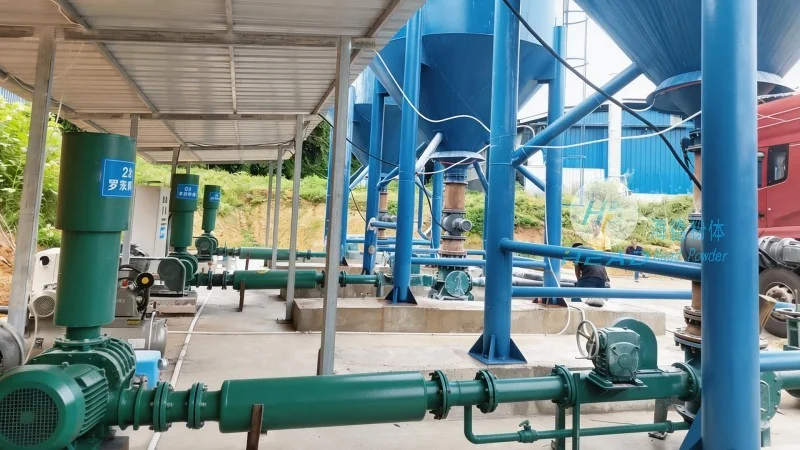
HeadPowder, a leading engineering company based in Shandong, China, specializes in the design, manufacturing, and installation of advanced material handling solutions for various industrial sectors. With a strong commitment to quality and safety, HeadPowder has established itself as a trusted partner for businesses requiring reliable ammonium nitrate handling systems. The company’s expertise in chemical engineering and process automation ensures that its solutions meet the highest industry standards, delivering optimal performance and durability.
The operation process of ammonium nitrate material handling involves several key steps, each designed to ensure the safe and efficient transfer of the material from storage to processing or packaging units. The process typically begins with the storage of AN in bulk storage silos or bags. From there, the material is transferred to a conveying system, which may include screw conveyors, pneumatic conveyors, or belt conveyors, depending on the specific application and material characteristics.
During the conveying process, the system ensures that the AN is moved in a controlled manner, minimizing the risk of segregation or agglomeration. The conveying equipment is designed to handle the bulk density and flow characteristics of ammonium nitrate, ensuring consistent and reliable material flow. At the receiving end, the AN is typically deposited into a hopper or storage vessel, where it is then prepared for further processing or packaging.
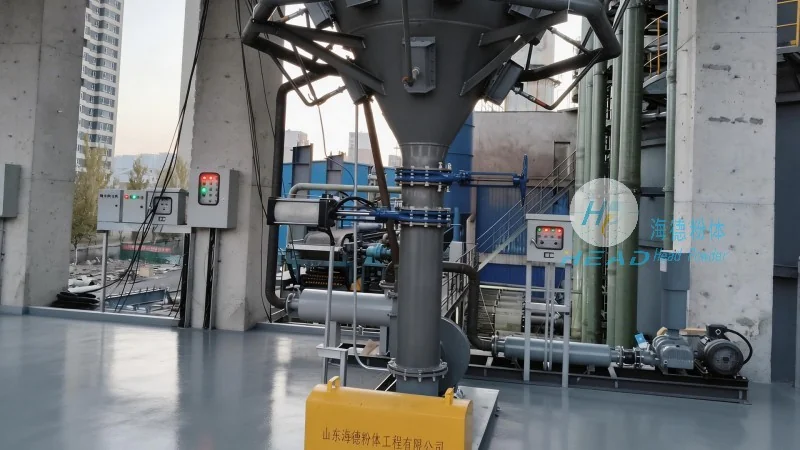
The working principle of ammonium nitrate material handling systems is based on mechanical and pneumatic principles, tailored to the unique properties of AN. The primary components of such systems include storage silos, conveying equipment, control systems, and safety devices. Each component plays a crucial role in the overall operation.
Storage silos are designed to hold large quantities of AN under controlled conditions, such as temperature and pressure, to prevent degradation or spontaneous combustion. The silos are equipped with level sensors and pressure relief valves to monitor and maintain safe operating levels. Conveying equipment, such as screw conveyors, operates by rotating a helical screw within a tube, pushing the AN forward through the system. Pneumatic conveyors use air pressure to move the AN in a sealed pipeline, ensuring minimal dust generation and efficient transport.
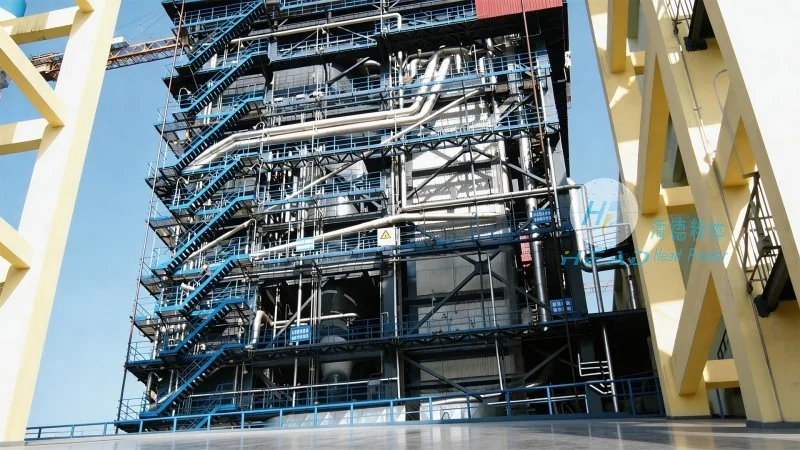
When operating ammonium nitrate material handling systems, several factors must be considered to ensure safety and efficiency. Temperature control is critical, as AN can be sensitive to heat and may decompose under extreme conditions. The system must be equipped with temperature monitoring and cooling mechanisms to maintain safe temperatures. Additionally, the material handling equipment must be designed to prevent static electricity buildup, as AN is a good conductor and can pose a fire risk.
Regular maintenance and inspection of the conveying system are essential to prevent mechanical failures and ensure consistent performance. The system should be checked for wear and tear on components like bearings, seals, and conveyor belts. Any signs of damage or malfunction should be addressed promptly to avoid disruptions in the production process.
Efficient and safe ammonium nitrate material handling is a complex process that requires careful consideration of the material's properties and the design of appropriate handling systems. Companies like Shandong HeadPowder Engineering Co., Ltd. play a vital role in providing advanced solutions that meet the demands of modern industrial applications. By understanding the operation process and working principles of AN material handling systems, businesses can optimize their operations, enhance safety, and ensure compliance with industry regulations.

 Shandong Headpowder Engineering Co., Ltd.
 156-6277-7102(Manager Zhang)
  0531-83386006
  Zhangqiu District, Jinan City, Shandong Province, China
telephone
WeChatconsult
top