

Operation Process and Working Principle of Gypsum Powder Material Handling Systems
Gypsum powder, a versatile mineral widely used in construction, agriculture, and industrial applications, requires efficient material handling to maintain production efficiency. The operation process and working principle of gypsum powder material handling systems are critical for ensuring smooth material transport from storage to processing or packaging stages. This article delves into the key aspects of these systems, highlighting their components, operational flow, and the role of advanced technology in optimizing performance.
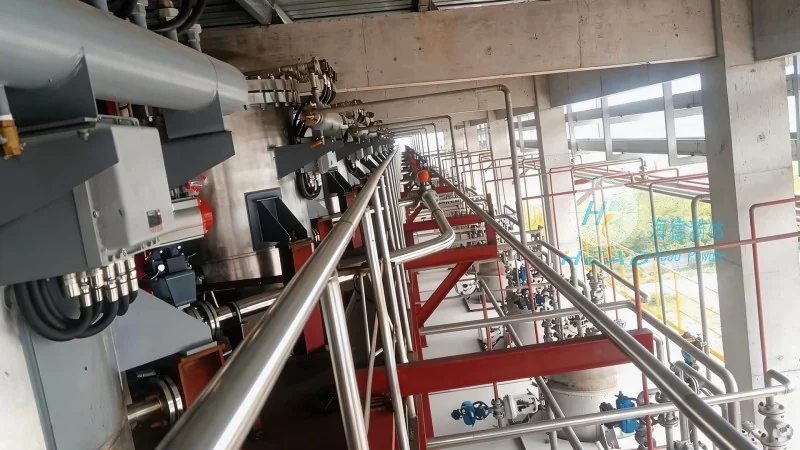
Company Overview: Shandong HeadPowder Engineering Co., Ltd.
HeadPowder, a prominent player in the material handling industry, specializes in designing and manufacturing customized solutions for gypsum powder and other bulk materials. With a strong focus on innovation and customer-centric approaches, the company has built a reputation for delivering high-quality equipment that meets the specific requirements of various industries. HeadPowder's team of engineers and technicians work closely with clients to understand their operational needs, ensuring that the final solution is both efficient and cost-effective. The company's headquarters is located in Shandong, China, where it operates a state-of-the-art manufacturing facility equipped with advanced machinery and quality control systems.
Key Components and Their Functions
The gypsum powder material handling system comprises several essential components that work in harmony to facilitate material transport. The primary components include: 1. **Storage Silos**: These large, airtight structures are used to store raw gypsum powder, preventing moisture absorption and maintaining material quality. The silos are equipped with level sensors to monitor the material level and trigger feeding operations when necessary. 2. **Feeders**: Feeders, such as rotary valves or vibratory feeders, regulate the flow of material from the silo into the conveyor system. They ensure a consistent and controlled feed rate, preventing overloading or underfeeding of the conveyor. 3. **Conveyors**: Conveyors are the backbone of the material handling system, responsible for transporting the gypsum powder through the production line. Common types include belt conveyors, screw conveyors, and pneumatic conveyors, each with its own advantages depending on the application. Belt conveyors are ideal for horizontal or slight incline transport, while screw conveyors are suitable for vertical or inclined transport. Pneumatic conveyors use air pressure to move the material, making them suitable for dusty or fine powders like gypsum. 4. **Control Systems**: Modern material handling systems are equipped with advanced control systems that monitor and regulate the entire process. These systems use sensors, programmable logic controllers (PLCs), and human-machine interfaces (HMIs) to ensure precise control over material flow, speed, and direction. The control system also provides real-time data on system performance, allowing operators to identify and address issues promptly.
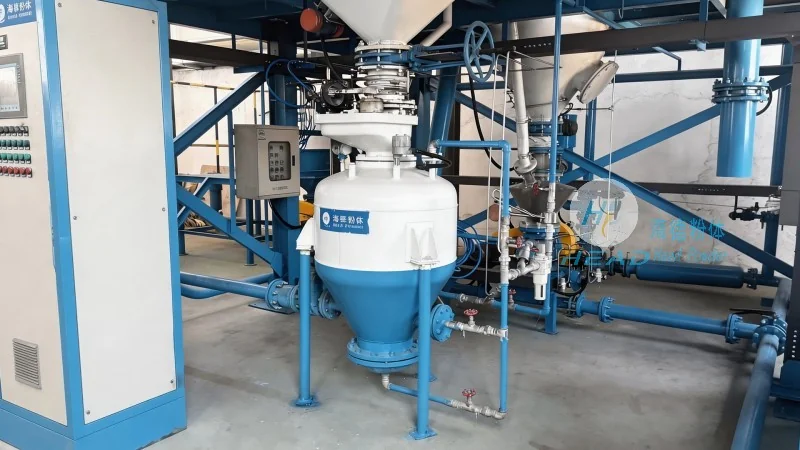
Working Principle: From Storage to Processing
The working principle of the gypsum powder material handling system is based on the sequential operation of its components. The process begins when the raw gypsum powder is loaded into the storage silo. The level sensor detects the material level and sends a signal to the feeder, which then opens to allow a controlled amount of material to enter the conveyor. The conveyor then transports the material to the next stage of the production process, such as grinding, mixing, or packaging. At each stage, the control system monitors the material flow and adjusts the speed or position of the conveyor as needed. For example, if the conveyor is overloaded, the control system reduces the feed rate from the silo to prevent blockages. Similarly, if the material level in the silo is low, the system triggers a refill operation to maintain a consistent supply. The entire process is automated, minimizing the need for manual intervention and ensuring consistent performance.
Operation Process: Step-by-Step Breakdown
The operation process of a gypsum powder material handling system can be broken down into several key steps: 1. **Material Loading**: Raw gypsum powder is delivered to the storage silo and loaded into the hopper. The silo is designed to handle large volumes of material, with a capacity that depends on the production requirements. 2. **Feeding and Transport**: The feeder regulates the flow of material from the silo into the conveyor. The conveyor then transports the material to the processing unit. The speed of the conveyor is adjusted based on the processing requirements, ensuring that the material reaches the next stage at the right time. 3. **Processing and Packaging**: The transported gypsum powder is processed according to the specific application. For example, in construction, it may be mixed with other materials to form plaster or drywall. The processed material is then packaged into bags or containers for distribution. 4. **Monitoring and Maintenance**: The control system continuously monitors the system's performance, including material flow, conveyor speed, and silo level. Any deviations from the normal operating parameters are detected and reported to the operators. Regular maintenance is performed to ensure the longevity and efficiency of the equipment, including cleaning of the conveyor, replacement of worn parts, and calibration of sensors.
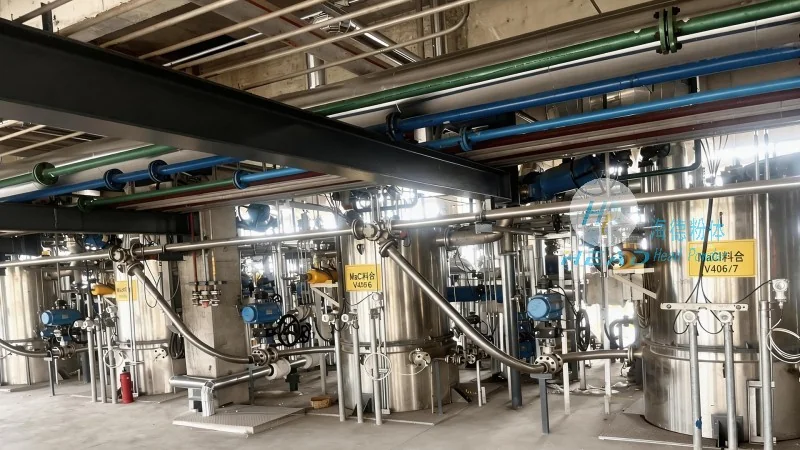
Benefits of Efficient Material Handling for Gypsum Powder
Efficient gypsum powder material handling systems offer numerous benefits to businesses. These include: 1. **Increased Productivity**: By ensuring a consistent and uninterrupted flow of material, the system reduces downtime and increases production output. This leads to higher revenue and better competitiveness in the market. 2. **Cost Reduction**: Automated systems minimize labor costs and reduce material loss due to spillage or blockages. The use of energy-efficient conveyors and control systems also helps lower operational costs. 3. **Improved Product Quality**: Consistent material flow and controlled processing parameters result in higher product quality and uniformity. This is particularly important in industries where product consistency is critical, such as construction and agriculture. 4. **Enhanced Safety**: Modern material handling systems are equipped with safety features, such as emergency stop buttons, overload protection, and dust suppression systems. These features reduce the risk of accidents and ensure a safe working environment for operators.
Conclusion and Company Contact
Gypsum powder material handling systems are essential for the efficient and safe operation of industries that rely on this material. Shandong HeadPowder Engineering Co., Ltd. provides comprehensive solutions that integrate advanced technology and robust design to meet the diverse needs of its clients. With its commitment to quality and customer satisfaction, HeadPowder is a trusted partner for businesses seeking reliable and efficient material handling solutions. For more information or to discuss customized solutions, please contact HeadPowder at its headquarters in Shandong, China.