

The Operation Process and Working Principle of Green Sand Material Conveying
Green sand material conveying is a critical component in foundry production, ensuring efficient and reliable transport of sand materials for molding processes. The process involves a series of mechanical and operational steps designed to maintain material quality and system efficiency. This article provides a detailed overview of the operation process and working principles of green sand material conveying systems, highlighting key components and their functions.
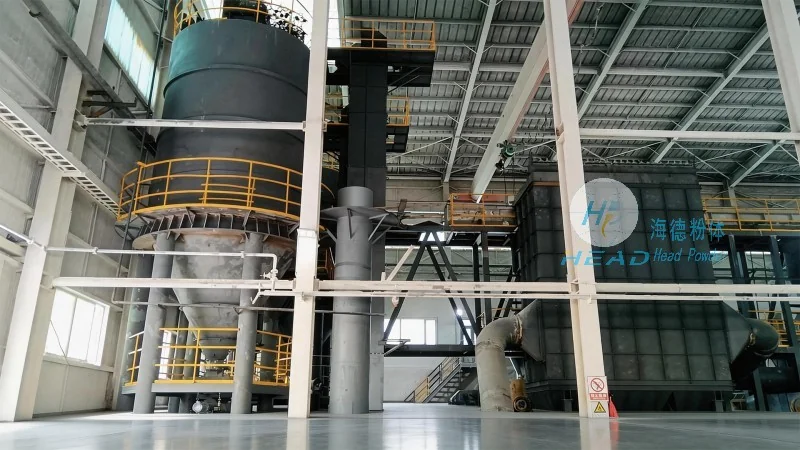
Introduction to Green Sand Material Conveying
Green sand, a mixture of sand, clay, water, and other additives, is essential for creating molds in the casting industry. The efficient conveyance of this material is vital to maintain consistent mold quality and production throughput. Companies like Shandong HeadPowder Engineering Co., Ltd., commonly known as headpowder, specialize in providing advanced conveying solutions tailored to the specific needs of foundry operations. With a focus on durability and performance, their systems are engineered to handle the demands of high-volume sand handling in industrial settings.
Key Components of the Conveying System
The green sand material conveying system typically consists of several interconnected components that work in tandem to transport sand from storage to the molding area. These components include hoppers, feeders, conveyors (such as belt conveyors or screw conveyors), and control systems. Each part plays a crucial role in ensuring smooth material flow and preventing issues like clogging or material degradation.
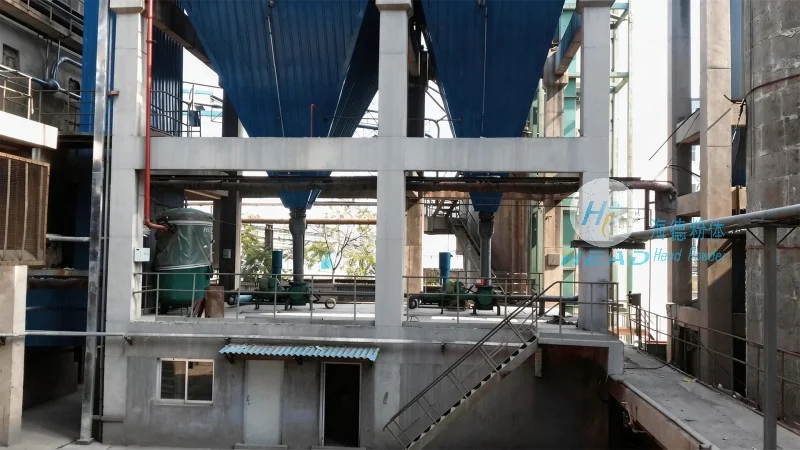
Operation Process of the Conveying System
The operation process begins with the loading of green sand into the hopper. The hopper is designed to store a sufficient quantity of material to maintain continuous flow to the conveyor. As the material is needed for molding, it is discharged from the hopper into the feeder. The feeder, often a screw or vibratory type, regulates the flow rate of sand into the conveyor, ensuring a steady and controlled supply. The conveyor then transports the sand to the molding station, where it is used to create molds. The system may also include a return conveyor to transport excess or unused sand back to the hopper, optimizing material usage and reducing waste.
Working Principles of the Conveying System
The working principle of the green sand material conveying system is based on mechanical energy to move the sand through the system. The feeder uses rotational or vibrational motion to push the sand forward, while the conveyor uses friction or gravity to transport it along its path. Control systems monitor parameters such as flow rate, pressure, and temperature to ensure optimal performance. These systems are designed to handle the abrasive nature of green sand, which can cause wear on components. Materials like stainless steel or specialized alloys are often used for parts that come into direct contact with the sand to extend the system's lifespan.
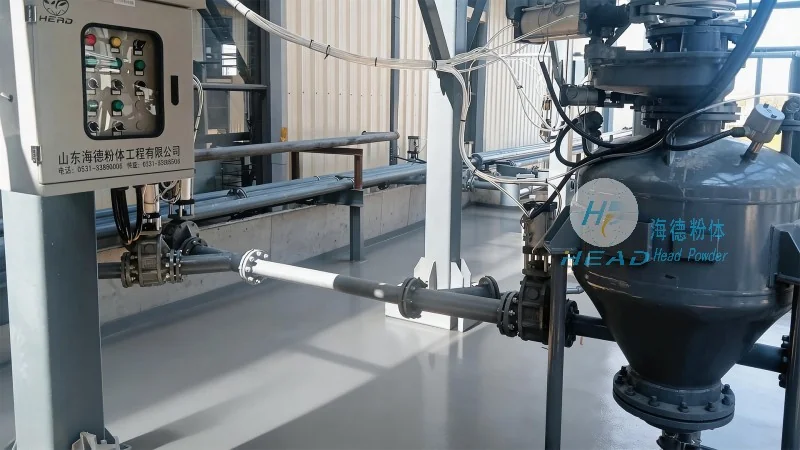
Advantages of Efficient Green Sand Conveying
Effective green sand material conveying offers several advantages for foundry operations. By maintaining consistent material quality, it reduces defects in castings and improves overall product reliability. Efficient flow control minimizes downtime and increases production throughput, leading to higher operational efficiency. Additionally, optimized material handling reduces labor costs and environmental impact by minimizing waste and spillage. Companies like headpowder emphasize these benefits in their solutions, providing customized systems that meet the unique requirements of each foundry.
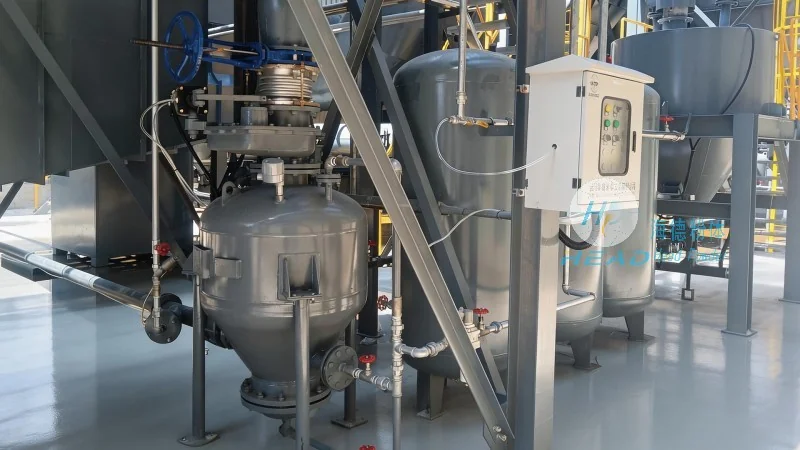
Maintenance and Troubleshooting
To ensure the longevity and reliability of the green sand material conveying system, regular maintenance is essential. This includes inspecting and replacing worn parts, cleaning the system to prevent clogging, and monitoring operational parameters. Common issues such as clogging or uneven flow can be addressed by adjusting feeder settings or checking for blockages in the conveyor. By implementing a proactive maintenance schedule, foundries can minimize downtime and maximize the performance of their conveying systems.
Conclusion
Green sand material conveying is a sophisticated process that requires careful design and operation to ensure optimal performance. The systems developed by companies like Shandong HeadPowder Engineering Co., Ltd. integrate advanced technology and engineering principles to provide reliable and efficient solutions for foundry operations. By understanding the operation process and working principles of these systems, foundries can enhance their production capabilities and maintain high standards of quality in their casting processes. With continuous advancements in material handling technology, the future of green sand conveying looks promising, with even more efficient and sustainable solutions on the horizon.