With more than 10‑year industry experience, Shandong Headpowder delivers full‑service pneumatic‑conveying systems and blowers, undertaking nationwide turn‑key powder‑handling projects.
Glutinous rice powder is a vital ingredient in numerous food products, and the efficient handling of this bulk material is critical for maintaining product quality and operational efficiency. The equipment designed for this purpose, known as a bulk material handling system, plays a pivotal role in processing facilities. This article will delve into the operation process and working principle of such a system, illustrating how it ensures the smooth and safe transfer of glutinous rice powder from storage to processing areas.
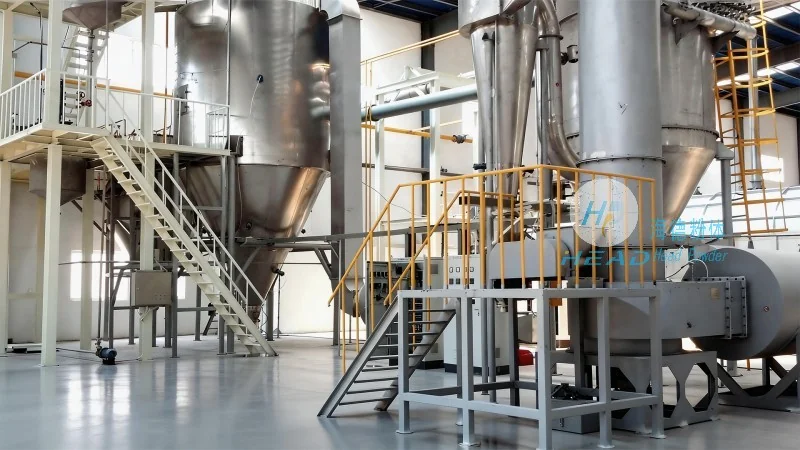
The glutinous rice powder bulk material handling system is a specialized piece of equipment engineered to handle the unique properties of glutinous rice powder. This powder is known for its sticky and cohesive nature, which can pose challenges during transportation. The system is typically composed of several key components, including a hopper, conveyor, and control unit, all working in tandem to ensure efficient material flow. Such systems are commonly provided by companies like Shandong HeadPowder Engineering Co., Ltd., which specializes in engineering solutions for bulk material handling in the food industry.
At the heart of the system is the hopper, which serves as the primary storage container for the glutinous rice powder. The hopper is designed with a sloped bottom to facilitate the flow of powder into the conveyor system. This design minimizes the risk of material bridging or caking, which are common issues with sticky powders. The hopper is usually equipped with a feeding mechanism, such as a rotary valve or screw feeder, that regulates the flow of powder into the conveyor.
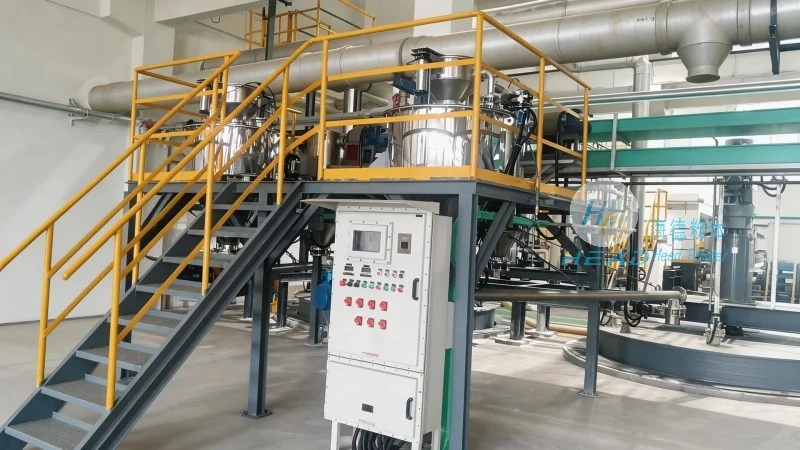
The conveyor system is the core component responsible for transporting the glutinous rice powder from the hopper to the processing area. There are different types of conveyors used, such as belt conveyors or screw conveyors, depending on the specific requirements of the application. For glutinous rice powder, a belt conveyor with a smooth surface is often preferred to prevent material buildup and ensure consistent flow. The conveyor is driven by a motor, which adjusts the speed based on the processing needs, allowing for precise control over the material transfer rate.
The control unit is another critical component that manages the entire operation. It monitors various parameters, including the powder level in the hopper, conveyor speed, and system pressure. The control unit uses sensors and feedback mechanisms to adjust the operation in real-time, ensuring that the system operates within optimal parameters. This automation helps to prevent overloading, underloading, or other issues that could affect the quality of the powder or cause equipment damage.
The operation of the glutinous rice powder bulk material handling system begins with the loading of the hopper with the raw glutinous rice powder. The powder is typically stored in bulk bags or silos and transferred into the hopper using a loading mechanism. Once the hopper is filled, the feeding mechanism starts to regulate the flow of powder into the conveyor.
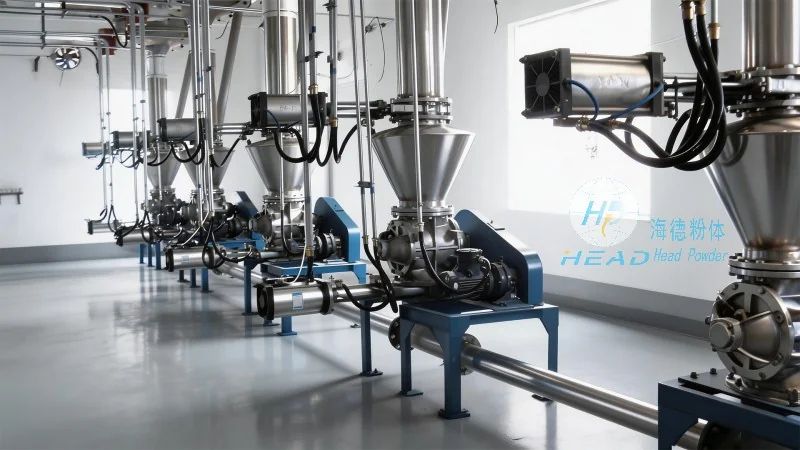
As the powder moves along the conveyor, it is transported to the processing area, such as a mixing or packaging station. The conveyor speed can be adjusted to match the processing capacity, ensuring that the powder is delivered at a consistent rate. The control unit continuously monitors the system, adjusting the feeding rate and conveyor speed as needed to maintain a steady flow.
During the operation, the system may encounter challenges, such as changes in powder moisture content or variations in bulk density. The control unit detects these changes and adjusts the operation accordingly. For example, if the powder becomes too dry, the feeding rate may be increased to maintain the flow. Conversely, if the powder becomes too wet, the system may slow down to prevent clogging.
The working principle of the glutinous rice powder bulk material handling system is based on the principles of gravity and mechanical force. The hopper's sloped design allows the powder to flow under the influence of gravity, while the conveyor uses mechanical force to transport the powder to the desired location. The feeding mechanism regulates the flow rate, ensuring that the powder is transferred at a controlled speed.
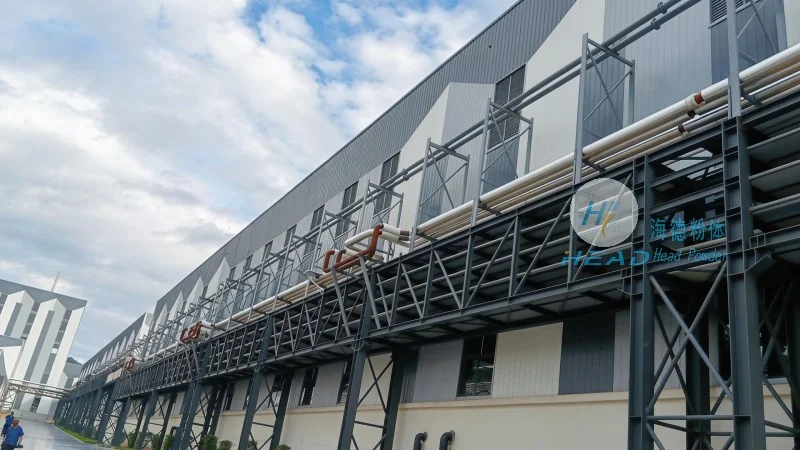
The system's automation ensures that all components work in harmony. The control unit receives input from sensors and adjusts the operation of the feeding mechanism and conveyor. This closed-loop control system maintains the stability of the material flow, preventing fluctuations that could affect the quality of the powder or cause equipment wear.
The system is designed to handle the unique properties of glutinous rice powder, such as its stickiness and cohesive nature. The smooth surfaces of the hopper and conveyor minimize material buildup, while the sloped design prevents caking. The control unit monitors the system for any signs of blockage or overload, triggering alarms or shutdowns if necessary to prevent damage.

 Shandong Headpowder Engineering Co., Ltd.
 156-6277-7102(Manager Zhang)
  0531-83386006
  Zhangqiu District, Jinan City, Shandong Province, China
telephone
WeChatconsult
top