With more than 10‑year industry experience, Shandong Headpowder delivers full‑service pneumatic‑conveying systems and blowers, undertaking nationwide turn‑key powder‑handling projects.
White powder bulk material conveyors are essential equipment in various industrial sectors, particularly in the processing and handling of fine powders. These systems are designed to efficiently transport white powders from one location to another, ensuring minimal dust generation and maintaining product integrity. The operation and working principles of such conveyors are critical for optimizing production efficiency and ensuring safe handling of powders.
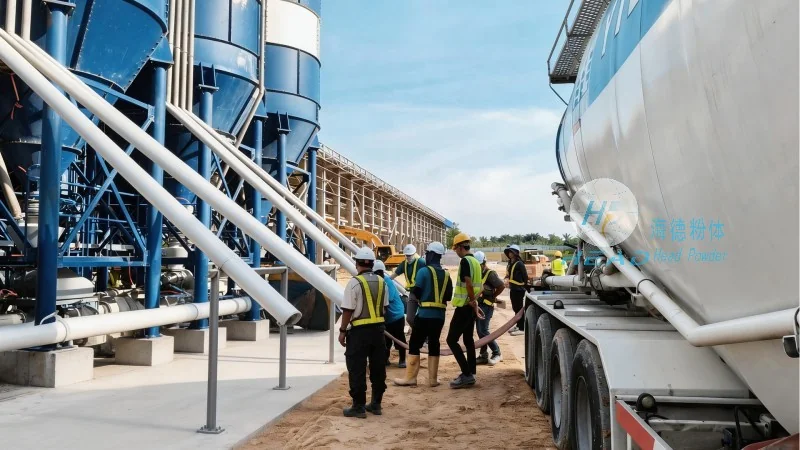
HeadPowder, a leading manufacturer based in Shandong, China, specializes in the design, development, and production of advanced bulk material handling equipment. With a strong commitment to quality and innovation, the company has established itself as a trusted partner for industries requiring reliable and efficient powder conveying solutions. The company’s products are engineered to meet stringent industry standards, offering durability, energy efficiency, and user-friendly operation.
White powder bulk conveyors typically consist of several key components that work in tandem to facilitate smooth material transport. These include the hopper or inlet for powder loading, a conveying mechanism (such as screw, pneumatic, or mechanical systems), a discharge outlet, and control systems for operation. The hopper is designed to hold the white powder and feed it into the conveying system, while the conveying mechanism ensures the powder moves through the system with minimal segregation or degradation. The discharge outlet allows the powder to be released at the desired location, completing the transport process.
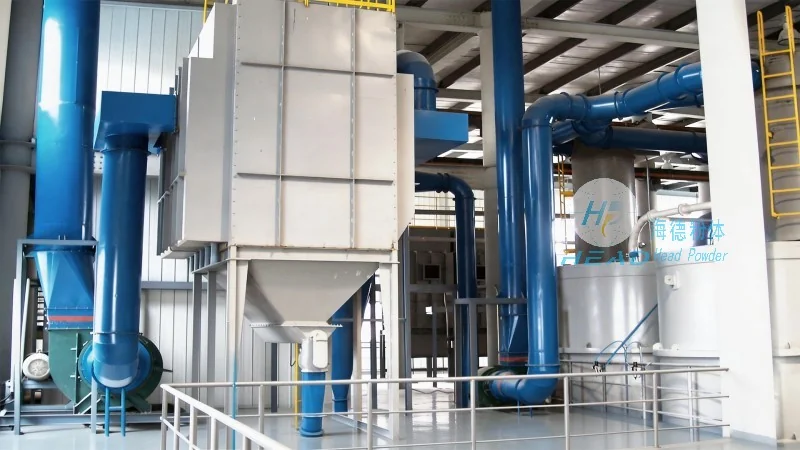
The operation of white powder bulk conveyors involves a series of steps that ensure efficient and safe material handling. First, the white powder is loaded into the hopper, which may be equipped with a feeding device like a rotary valve or a gate to control the flow rate. The powder then enters the conveying mechanism, which can be a screw conveyor, pneumatic conveyor, or other specialized system depending on the application. The conveying mechanism uses mechanical or pneumatic forces to move the powder through the system. During this process, the conveyor maintains a consistent flow rate, preventing overloading or underloading that could affect performance. The powder is then discharged from the outlet into a storage bin, processing equipment, or another location as required. The entire operation is controlled by a user-friendly interface that allows operators to adjust parameters such as speed, pressure, and flow rate to optimize performance.
The working principle of white powder bulk conveyors is based on the physics of material flow and the mechanics of the conveying system. For screw conveyors, the principle involves the rotation of a screw (or auger) inside a tube, which pushes the powder forward due to friction between the screw and the material. The screw’s pitch and diameter determine the conveying capacity and speed. Pneumatic conveyors, on the other hand, use compressed air to create a pressure differential that draws the powder into the system and transports it through the pipeline. The air velocity and pressure are carefully controlled to ensure the powder is moved without causing excessive wear or degradation. Mechanical conveyors may use belts or chains to transport the powder, leveraging gravity or mechanical force to move the material. The working principle of each system is tailored to the specific characteristics of the white powder, such as particle size, density, and flowability, to ensure optimal performance.
White powder bulk conveyors offer several advantages over traditional handling methods, making them a preferred choice for many industries. These include high efficiency in transporting large volumes of powder, minimal dust generation due to enclosed systems, and the ability to maintain product purity and quality. The enclosed design also reduces the risk of contamination from external sources, which is crucial for food, pharmaceutical, and chemical industries. Additionally, these conveyors are energy-efficient, with adjustable speed and flow controls that optimize energy consumption. The modular design allows for easy installation and maintenance, reducing downtime and operational costs. The versatility of white powder bulk conveyors also enables them to handle a wide range of powder types, from fine to coarse, and from dry to slightly moist powders.
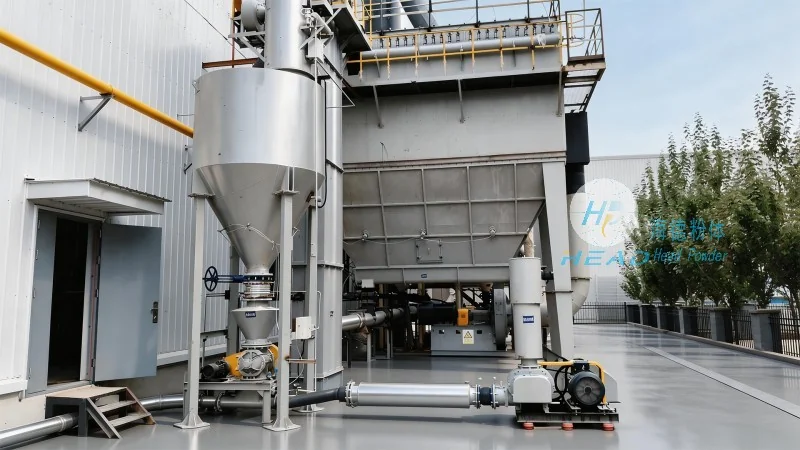
White powder bulk conveyors are widely used in various industries due to their versatility and efficiency. In the food industry, they are used to transport ingredients like flour, sugar, and milk powder, ensuring clean and hygienic handling. In the pharmaceutical industry, they are employed to transport active pharmaceutical ingredients (APIs) and excipients, maintaining strict quality control and preventing contamination. The chemical industry uses these conveyors to handle raw materials and intermediates, while the agricultural sector utilizes them for transporting fertilizers and other agricultural powders. The construction industry also benefits from white powder bulk conveyors for transporting cement, lime, and other building materials. Each application requires specific design considerations, such as material compatibility, corrosion resistance, and explosion-proof features, to ensure safe and effective operation.
Maintaining the proper operation of white powder bulk conveyors is essential for ensuring long-term performance and safety. Regular maintenance, including cleaning, lubrication, and inspection of components, is necessary to prevent wear and tear and ensure smooth operation. The hopper and conveying mechanism should be cleaned regularly to remove accumulated powder, which can affect performance and cause blockages. The control systems should be checked for proper functionality, ensuring that speed and flow rate adjustments are accurate. Safety considerations are also critical, as white powder conveyors can pose risks such as dust explosions or mechanical hazards. Proper ventilation, explosion-proof designs, and safety interlocks are essential to mitigate these risks. Operators should be trained on the safe operation of the equipment, including emergency shutdown procedures and proper handling of materials. By adhering to maintenance and safety protocols, the lifespan of the conveyor and the safety of the operation can be significantly improved.

 Shandong Headpowder Engineering Co., Ltd.
 156-6277-7102(Manager Zhang)
  0531-83386006
  Zhangqiu District, Jinan City, Shandong Province, China
telephone
WeChatconsult
top