With more than 10‑year industry experience, Shandong Headpowder delivers full‑service pneumatic‑conveying systems and blowers, undertaking nationwide turn‑key powder‑handling projects.
White clay powder conveying lines are essential systems in industrial processing, particularly in the production and handling of white clay materials. These lines are designed to efficiently transport white clay powder from storage areas to processing units, ensuring smooth workflow and optimal material management. The operation of such lines involves a series of components and processes that work in tandem to achieve reliable and consistent material transfer. This article, presented by Shandong HeadPowder Engineering Co., Ltd. (headpowder), will explore the detailed operation process and working principles of white clay powder conveying lines, highlighting key aspects that contribute to their effectiveness.
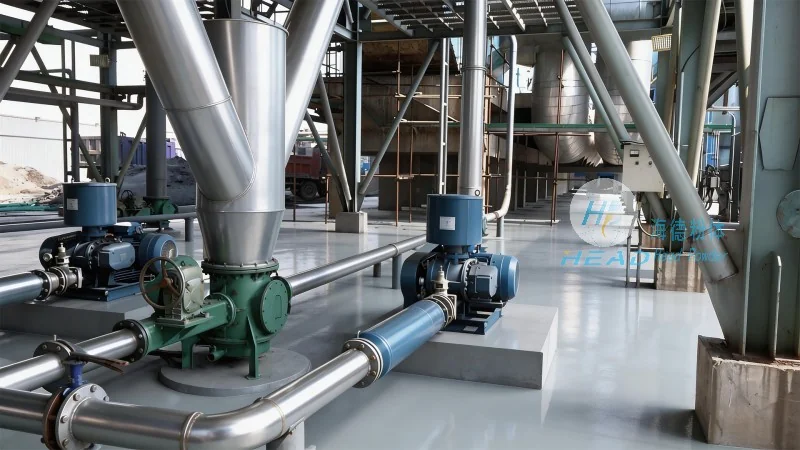

The white clay powder conveying line typically consists of several critical components that enable the movement and handling of the powder. These components include hoppers for material storage, feeders to control the flow rate, conveyor mechanisms such as screw conveyors or pneumatic systems, and control systems to regulate the entire operation. Each component plays a vital role in maintaining the integrity of the white clay powder and ensuring efficient transport. For instance, hoppers are designed to hold the white clay powder in a controlled manner, preventing material degradation or caking. Feeders, often equipped with adjustable speed controls, manage the discharge rate to match the processing requirements. Conveyor mechanisms, whether mechanical or pneumatic, facilitate the movement of the powder through the system. Control systems, integrated with sensors and automation technology, monitor and adjust the operation in real-time, enhancing the overall efficiency and safety of the conveying process.
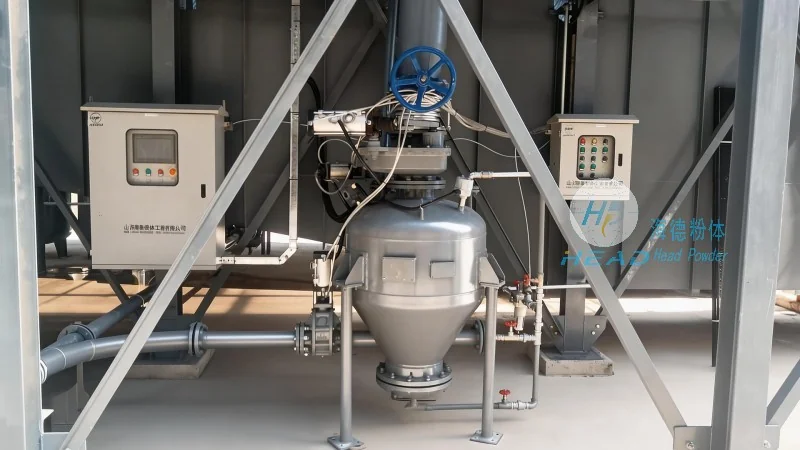
The operation of a white clay powder conveying line begins with the loading of white clay powder into the storage hopper. The powder is then discharged from the hopper into the feeder, where the flow rate is controlled based on the downstream processing needs. The feeder transfers the powder to the conveyor system, which moves the material through the pipeline or conveyor belt. In pneumatic conveying systems, compressed air is used to transport the powder, while mechanical systems rely on rotating screws or belts. The powder travels through the conveying line until it reaches the processing unit or storage area. At each stage, the system ensures that the white clay powder remains in a dry and free-flowing state, minimizing the risk of blockages or material degradation. The control system continuously monitors parameters such as pressure, flow rate, and temperature to maintain optimal operation. Any deviations are automatically adjusted to prevent issues like clogging or uneven material distribution. This systematic approach ensures that the white clay powder is transported efficiently and safely throughout the process.
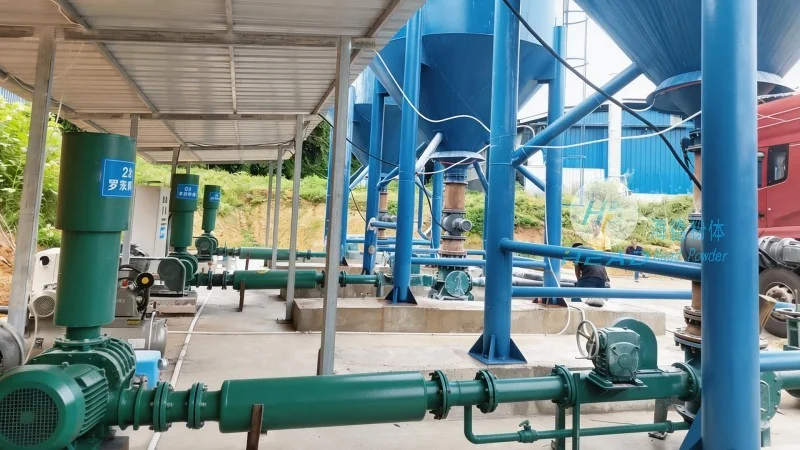
The working principles of white clay powder conveying lines are based on the physical properties of the material and the design of the conveying components. White clay powder is a fine, dry material that requires careful handling to avoid agglomeration or loss of quality. The conveying systems are engineered to maintain the powder in a suspended state, preventing it from settling or sticking to surfaces. Pneumatic conveying systems utilize air pressure to lift and move the powder, while mechanical systems use mechanical force to push the material forward. The choice of system depends on factors such as the quantity of material, the distance to be conveyed, and the required flow rate. In pneumatic systems, the air flow is controlled to ensure the powder is fully suspended, reducing the risk of blockages. Mechanical systems, such as screw conveyors, rely on the rotation of screws to move the powder, which is effective for shorter distances and lower flow rates. The control system plays a crucial role in maintaining the stability of the conveying process. Sensors detect changes in pressure, flow, or temperature, and the system adjusts the air pressure or conveyor speed accordingly. This feedback mechanism ensures that the white clay powder is conveyed consistently and without interruptions. The working principles also emphasize the importance of maintaining the material's quality. By preventing moisture absorption or contamination, the conveying line helps preserve the white clay's properties, which are critical for its use in various industrial applications.

 Shandong Headpowder Engineering Co., Ltd.
 156-6277-7102(Manager Zhang)
  0531-83386006
  Zhangqiu District, Jinan City, Shandong Province, China
telephone
WeChatconsult
top