With more than 10‑year industry experience, Shandong Headpowder delivers full‑service pneumatic‑conveying systems and blowers, undertaking nationwide turn‑key powder‑handling projects.
Shandong HeadPowder Engineering Co., Ltd., a leading enterprise in the field of powder handling technology, specializes in the design, manufacturing, and application of advanced systems for conveying and transporting fly ash powder. Based in Shandong, China, the company leverages decades of industry experience to provide efficient and reliable solutions tailored to the unique demands of modern industrial applications.
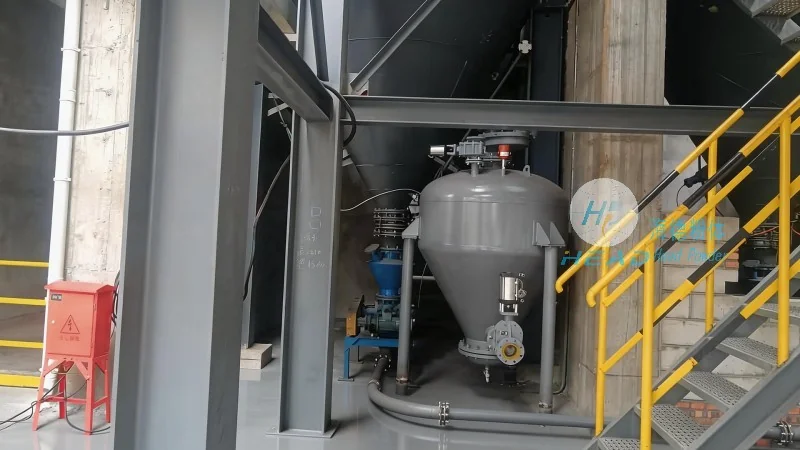
Fly ash, a fine powder generated from the combustion of coal in thermal power plants, is a valuable byproduct with widespread use in construction, cement production, and other industrial sectors. Efficient and safe transportation of this material is critical to optimizing operational workflows and ensuring compliance with environmental regulations. The operation of fly ash powder conveying systems involves a series of integrated components and processes designed to handle the material's characteristics, such as its fine particle size, abrasive nature, and potential moisture content.
A typical fly ash powder conveying system consists of several key components that work in concert to achieve reliable material transport. These include a feeding device, a conveying mechanism (such as a screw conveyor, pneumatic conveyor, or bucket elevator), a control system, and a discharge unit. The feeding device, often a hopper or rotary valve, ensures a consistent and controlled flow of fly ash into the system. The conveying mechanism is the heart of the process, responsible for moving the powder from the source to the destination. For example, a screw conveyor uses rotating screws to push the material forward, while a pneumatic conveyor utilizes compressed air to create a flow of the powder through a pipeline. The control system monitors and regulates the operation of these components, maintaining optimal performance and preventing issues like blockages or overloading. Finally, the discharge unit collects the fly ash at the end of the conveying line, ready for further processing or use.
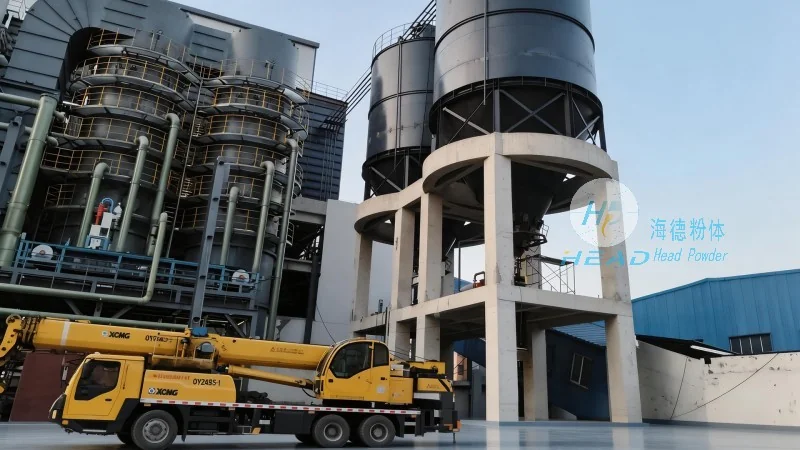
The operation of a fly ash powder conveying system begins with the intake of raw fly ash into the feeding hopper. The material is then discharged from the hopper into the conveying mechanism at a controlled rate, as regulated by the control system. In a screw conveyor system, the rotating screws push the fly ash forward through the trough or tube, maintaining a steady flow. In a pneumatic system, the compressed air creates a pressure differential that propels the powder through the pipeline, often with the assistance of a venturi or other air-moving devices. The conveying process continues until the fly ash reaches the discharge point, where it is collected and prepared for downstream applications. Throughout the operation, the control system continuously monitors parameters such as pressure, flow rate, and temperature to ensure the system operates within safe and efficient limits. Any deviations are immediately addressed to prevent system downtime or material loss.
The working principle of fly ash powder conveying systems is based on the fundamental physics of material transport, leveraging mechanical or pneumatic forces to move the fine powder. For mechanical conveying systems, such as screw conveyors, the principle involves the use of rotating screws to create a forward thrust on the material particles. The helical design of the screw allows it to lift and push the fly ash, overcoming gravity and friction to achieve transport. The speed and pitch of the screw are carefully selected to match the material's properties, ensuring smooth and continuous movement without causing excessive wear or degradation of the material. In pneumatic conveying systems, the principle relies on the creation of a pressure differential between the intake and discharge points. Compressed air is introduced into the system, creating a flow that entrains the fly ash particles and carries them through the pipeline. The velocity of the air and the diameter of the pipeline are critical factors in determining the efficiency of the conveying process. Proper design of the system ensures that the air velocity is sufficient to prevent particle settling but not so high as to cause excessive energy consumption or material degradation.

Efficient operation of fly ash powder conveying systems requires careful consideration of several factors to maximize performance and minimize downtime. Material properties, such as particle size distribution, moisture content, and abrasiveness, play a significant role in determining the most suitable conveying method. For example, highly abrasive fly ash may necessitate the use of wear-resistant materials for the conveying components to extend their service life. System design must also account for the distance and elevation changes between the intake and discharge points, as these affect the required power and air pressure. Regular maintenance of the system, including cleaning of the conveying lines and inspection of components, is essential to prevent blockages and ensure consistent operation. Additionally, the control system must be equipped with advanced features, such as real-time monitoring and automatic fault detection, to quickly identify and resolve issues before they impact production.
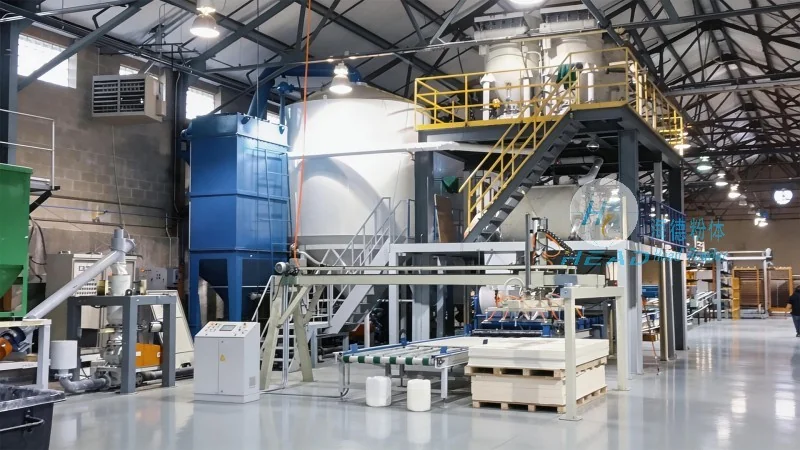
The efficient conveyance of fly ash powder is vital to the success of various industrial processes. In the construction industry, fly ash is commonly used as a supplementary cementitious material in concrete production, where its fine particle size and pozzolanic properties enhance the strength and durability of the final product. The ability to reliably transport fly ash to mixing plants or storage facilities ensures consistent quality and reduces material handling costs. In cement manufacturing, fly ash is often blended with clinker to produce blended cement, which offers improved workability and reduced heat of hydration. The conveying systems used in these applications must be capable of handling large volumes of material at high speeds while maintaining low dust emissions and minimal environmental impact. The benefits of efficient fly ash powder conveying extend beyond material handling, as they contribute to overall operational efficiency, reduced energy consumption, and enhanced safety in industrial settings.
Shandong HeadPowder Engineering Co., Ltd. provides comprehensive solutions for the efficient and reliable conveying of fly ash powder, leveraging advanced technology and industry expertise to meet the diverse needs of modern industrial applications. By understanding the operation process and working principles of these systems, users can optimize their material handling workflows, improve productivity, and ensure compliance with environmental standards. The company's commitment to innovation and quality ensures that its systems remain at the forefront of powder handling technology, supporting the sustainable development of industries that rely on fly ash as a valuable resource.

 Shandong Headpowder Engineering Co., Ltd.
 156-6277-7102(Manager Zhang)
  0531-83386006
  Zhangqiu District, Jinan City, Shandong Province, China
telephone
WeChatconsult
top