With more than 10‑year industry experience, Shandong Headpowder delivers full‑service pneumatic‑conveying systems and blowers, undertaking nationwide turn‑key powder‑handling projects.
For industrial applications involving the handling of fine powders like titanium dioxide, the pneumatic conveying system is a critical piece of equipment. This system efficiently transports the material from one location to another using air pressure. The following sections will detail the operational process and the underlying principles that enable this equipment to function effectively.
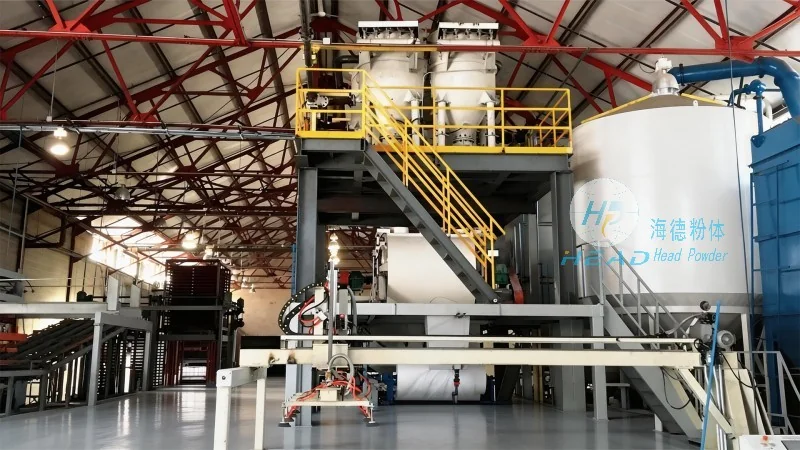
Shandong HeadPowder Engineering Co., Ltd., a leading manufacturer based in Shandong, China, specializes in the design and production of advanced pneumatic conveying systems tailored for the titanium dioxide industry. These systems are engineered to handle the unique properties of titanium dioxide, such as its fine particle size and high density, ensuring safe and efficient material transport. The system's design incorporates robust components that can withstand the abrasive nature of the powder, making it suitable for continuous operation in industrial settings.
The pneumatic conveying system for titanium dioxide consists of several essential components that work in tandem to achieve the desired material transport. These components include the hopper, which serves as the storage and feeding unit; the air compressor, which generates the necessary air pressure; the pipeline system, which carries the material and air; and the discharge unit, which delivers the material to its final destination. Each component is carefully selected and configured to optimize performance and minimize downtime.
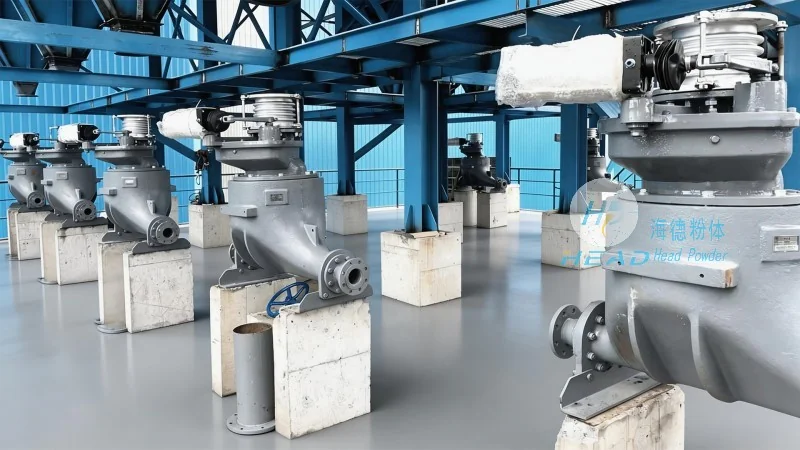
The operation of the titanium dioxide pneumatic conveying system begins with the material being fed into the hopper. The hopper is equipped with a feeder that controls the flow rate of the powder into the system. Simultaneously, the air compressor starts, generating a high-pressure air stream. The air is then introduced into the pipeline, creating a flow that pulls the titanium dioxide particles along. As the particles travel through the pipeline, they are suspended in the air stream, preventing clogging and ensuring smooth transport. The system's control panel monitors the pressure, flow rate, and other parameters to maintain optimal operation. When the material reaches the discharge point, the air pressure is reduced, causing the titanium dioxide to settle out and be collected in the receiving container.
The working principle of the pneumatic conveying system relies on the principle of fluidization and the use of air as the conveying medium. The air compressor provides a continuous flow of air that creates a pressure differential between the hopper and the discharge point. This pressure differential drives the movement of the titanium dioxide particles. The system operates under either positive or negative pressure, depending on the application. Positive pressure systems use compressed air to push the material forward, while negative pressure systems use suction to draw the material. For titanium dioxide, a positive pressure system is commonly used due to the material's properties and the need for controlled discharge.
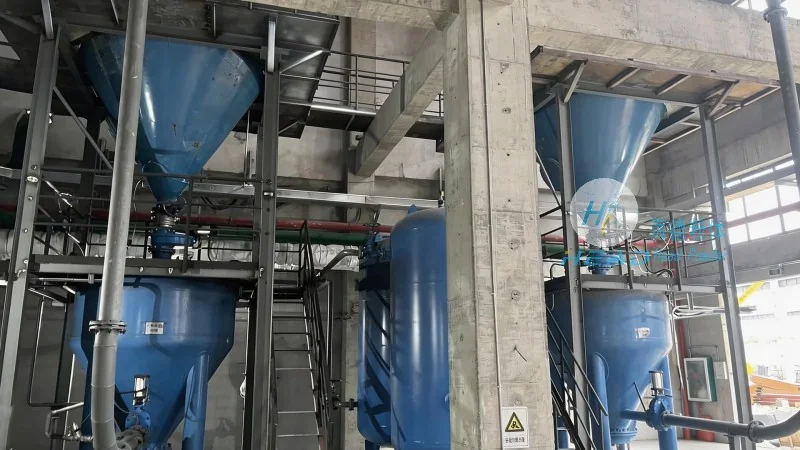
Implementing a pneumatic conveying system for titanium dioxide offers several advantages over traditional methods like belt conveyors or bucket elevators. First, it eliminates the need for physical contact between the material and the equipment, reducing the risk of contamination and wear. Second, the system is highly flexible, allowing for changes in the material flow path without major modifications. Third, it provides a dust-free environment, which is crucial for maintaining product quality and ensuring workplace safety. Additionally, the system can handle high volumes of material with minimal maintenance, making it a cost-effective solution for industrial operations.
Proper maintenance is essential to ensure the long-term performance and safety of the pneumatic conveying system. Regular checks should be performed on the air compressor, pipeline, and feeder to detect any signs of wear or damage. Filters should be cleaned or replaced regularly to prevent clogging and maintain air quality. The system should also be equipped with safety features such as pressure relief valves and emergency shut-off switches to prevent accidents. Training for operators on the proper use and maintenance of the equipment is also critical to ensure safe operation. By adhering to these maintenance and safety practices, the system can operate efficiently and reliably for extended periods.

 Shandong Headpowder Engineering Co., Ltd.
 156-6277-7102(Manager Zhang)
  0531-83386006
  Zhangqiu District, Jinan City, Shandong Province, China
telephone
WeChatconsult
top