With more than 10‑year industry experience, Shandong Headpowder delivers full‑service pneumatic‑conveying systems and blowers, undertaking nationwide turn‑key powder‑handling projects.
Understanding the operation process and working principle of a sodium hexafluorophosphate pneumatic conveying machine is crucial for optimizing material handling efficiency in industrial applications. This equipment, manufactured by Shandong HeadPowder Engineering Co., Ltd., based in Shandong, China, is designed to transport sodium hexafluorophosphate through an air-driven system, ensuring reliable and efficient material transfer. The following sections provide a detailed overview of how this machine operates and the underlying principles that enable its functionality.
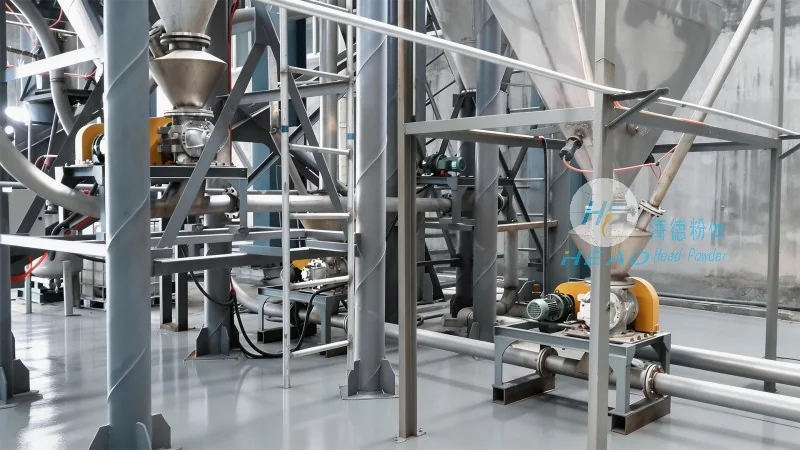
The sodium hexafluorophosphate pneumatic conveying machine consists of several critical components that work in tandem to facilitate material transport. These include the hopper, which serves as the storage and feeding unit; the air compressor, responsible for generating the necessary air pressure; the conveying line, which carries the material and air mixture; and the discharge unit, where the material is deposited. Each component plays a vital role in maintaining the system's efficiency and ensuring smooth operation. The hopper is typically equipped with a feeder to control the flow of sodium hexafluorophosphate into the conveying line, preventing blockages and ensuring consistent material feed. The air compressor provides the driving force by creating a pressure differential that propels the material through the system. The conveying line, often made of durable materials such as stainless steel or plastic, is designed to withstand the abrasive nature of sodium hexafluorophosphate and maintain airtight integrity. The discharge unit, which may include a rotary valve or a surge bin, regulates the output of the material, allowing for controlled release into the next processing stage.
The operation of the sodium hexafluorophosphate pneumatic conveying machine follows a systematic process that ensures efficient material transfer. The process begins with the loading of sodium hexafluorophosphate into the hopper. The feeder then regulates the flow of material into the conveying line, ensuring a consistent feed rate. Simultaneously, the air compressor starts, generating the required air pressure. As the air flows through the conveying line, it creates a low-pressure zone that draws the material from the hopper into the line. The material is then carried by the air stream, forming a dilute or dense phase flow depending on the system design. The conveying line transports the material to the discharge unit, where the air is separated from the material. The air is typically recirculated back to the compressor to conserve energy, while the material is discharged into the designated container. This cycle repeats continuously, maintaining a steady flow of sodium hexafluorophosphate through the system.
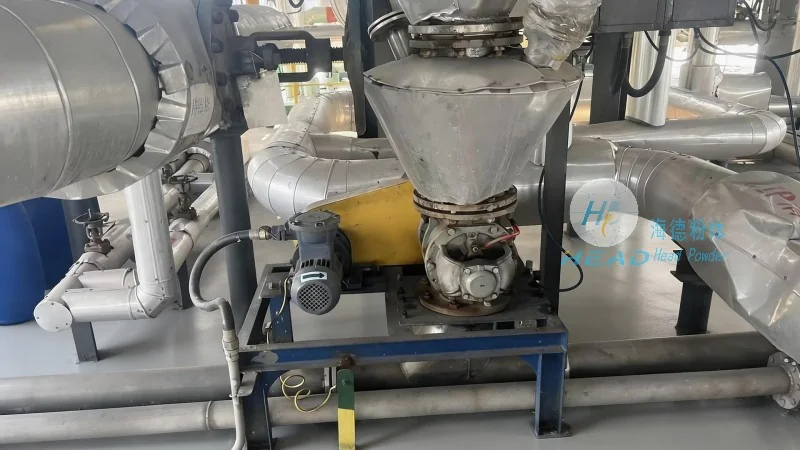
The working principle of the sodium hexafluorophosphate pneumatic conveying machine is based on the fundamental physics of fluid dynamics and particle transport. The system operates by creating a pressure differential between the inlet and outlet of the conveying line. The air compressor generates high-pressure air at the inlet, which then flows through the line, carrying the sodium hexafluorophosphate particles. The velocity of the air stream is critical; it must be sufficient to overcome the gravitational force acting on the particles and any frictional forces within the line. The Reynolds number, which describes the flow regime (laminar or turbulent), influences the efficiency of material transport. In most industrial applications, the system operates in the turbulent flow regime, where the air velocity is high enough to keep the particles suspended and transported effectively. The design of the conveying line, including its diameter and length, is optimized to minimize pressure drop and energy consumption. The use of appropriate air velocities and pressure differentials ensures that the material is conveyed without excessive wear on the equipment or degradation of the product. The separation of air and material at the discharge unit is achieved through a cyclone or a venturi system, which uses centrifugal force to separate the heavier particles from the lighter air stream. This separation process is essential for maintaining the purity of the sodium hexafluorophosphate and preventing contamination.
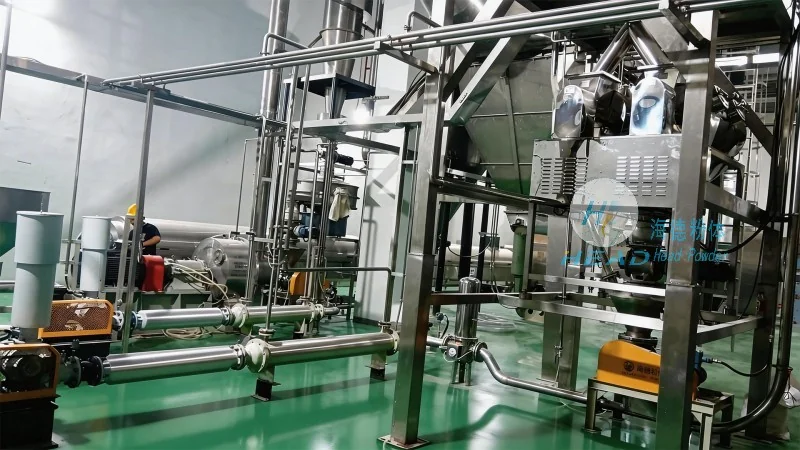
Employing a pneumatic conveying system for sodium hexafluorophosphate offers several advantages over traditional mechanical conveying methods. One of the primary benefits is the ability to transport the material in a closed system, which minimizes dust emissions and ensures environmental compliance. This is particularly important for sodium hexafluorophosphate, as it is a fine powder that can be hazardous if released into the atmosphere. The closed system also prevents contamination from external sources, maintaining the quality and purity of the product. Another advantage is the flexibility of the system, which allows for horizontal, vertical, or mixed conveying configurations. This adaptability makes it suitable for various industrial settings, where the layout of the facility may require different conveying angles. The system also offers high efficiency in terms of material transfer speed, as it can move large quantities of sodium hexafluorophosphate quickly and continuously. Additionally, the pneumatic conveying system reduces the need for manual handling, improving workplace safety and reducing labor costs. The energy consumption of the system is optimized through the use of efficient air compressors and recirculation of air, leading to lower operational costs over time.
To ensure the long-term performance and reliability of the sodium hexafluorophosphate pneumatic conveying machine, regular maintenance and proper operational considerations are essential. Regular inspection of the hopper and feeder is necessary to prevent blockages and ensure consistent material flow. The air compressor should be checked for proper operation, including pressure levels and air quality. The conveying line should be inspected for any signs of wear or damage, such as corrosion or abrasion from the sodium hexafluorophosphate particles. The discharge unit and separation system should be maintained to ensure efficient separation of air and material. Proper cleaning procedures should be followed to remove any accumulated material or dust from the system components. Operational considerations include monitoring the air pressure and flow rates to maintain optimal performance. Adjustments to the feeder speed or air compressor output may be necessary to accommodate changes in material feed rate or system load. Training of operators on the proper use and maintenance of the equipment is also crucial for preventing downtime and ensuring safety. By following these maintenance and operational guidelines, the sodium hexafluorophosphate pneumatic conveying machine can operate efficiently and reliably for extended periods.

 Shandong Headpowder Engineering Co., Ltd.
 156-6277-7102(Manager Zhang)
  0531-83386006
  Zhangqiu District, Jinan City, Shandong Province, China
telephone
WeChatconsult
top