With more than 10‑year industry experience, Shandong Headpowder delivers full‑service pneumatic‑conveying systems and blowers, undertaking nationwide turn‑key powder‑handling projects.
For industries dealing with methylcellulose, efficient material handling is crucial. The pneumatic conveying system using methylcellulose as the conveyed material offers a reliable solution. This article delves into the operation process and working principle of such equipment, highlighting its key components and operational flow.
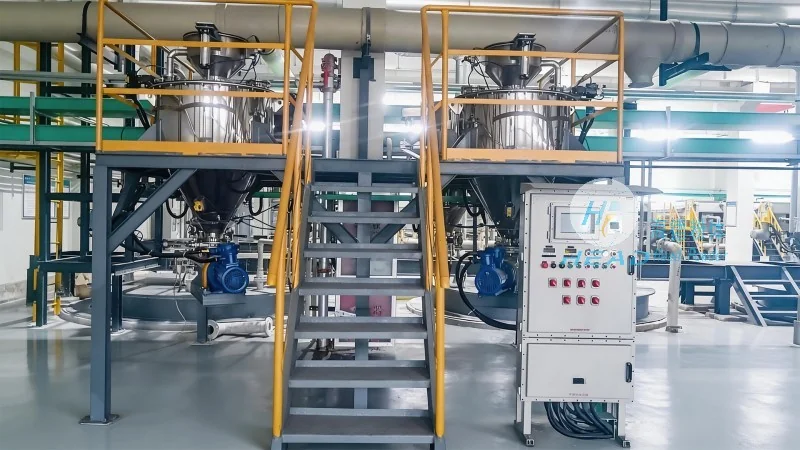
Methylcellulose, a non-ionic cellulose ether, is widely used in pharmaceuticals, food, and construction industries. Handling this powder efficiently requires specialized equipment to ensure minimal dust, high transfer rates, and consistent material flow. The pneumatic conveying system is designed to meet these demands by utilizing air as the conveying medium.
HeadPowder, a leading manufacturer in material handling solutions, specializes in developing advanced pneumatic conveying systems. With a focus on innovation and quality, the company provides tailored equipment for various industrial applications. HeadPowder's expertise lies in optimizing material transfer processes, ensuring safety and efficiency in production lines.
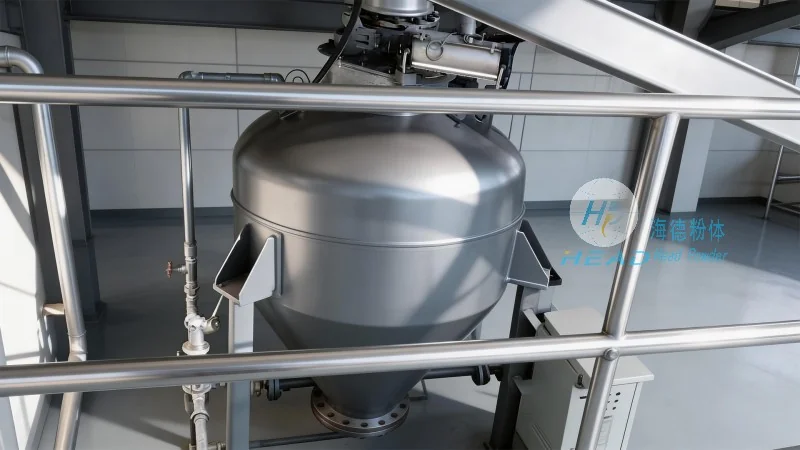
The methylcellulose pneumatic conveying equipment typically consists of several critical components. These include the hopper for material storage, a rotary valve for controlled material discharge, a conveying line (usually a pipe), a blower or air compressor to generate the air flow, and a dust collector or filter to manage airborne particles. Each component plays a vital role in the overall operation, ensuring smooth and continuous material transfer.
The operation process of the methylcellulose pneumatic conveying system involves several sequential steps. First, the methylcellulose powder is fed into the hopper from the storage container. The rotary valve then regulates the flow of material into the conveying line, ensuring a consistent feed rate. Simultaneously, the blower generates a high-pressure air stream that travels through the pipe, creating a negative pressure zone that draws the powder particles into the air stream. The mixture of powder and air is then transported to the destination point, such as a silo or processing unit. At the receiving end, a cyclone separator or filter separates the powder from the air, allowing the powder to be discharged while the air is recirculated or vented.
The working principle of the methylcellulose pneumatic conveying equipment is based on the principle of fluidization and pneumatic transport. The air flow generated by the blower creates a sufficient velocity to lift and transport the powder particles. The key is to maintain an appropriate air-to-solid ratio, which ensures that the powder remains suspended in the air stream without settling or clogging the system. The system operates under a negative pressure environment, which helps in preventing dust leakage and maintaining a clean working environment. The rotary valve and hopper design are critical for controlling the material flow rate, while the blower's capacity determines the conveying distance and throughput.
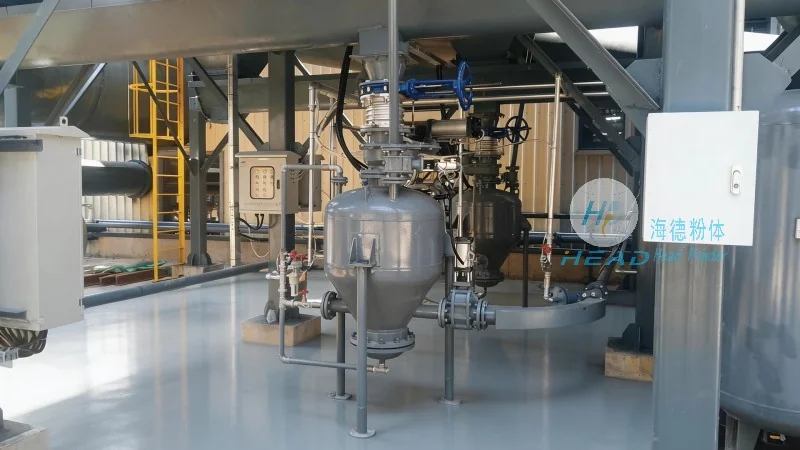
Implementing a pneumatic conveying system for methylcellulose offers several advantages. It eliminates the need for mechanical conveying components like belts or screws, reducing maintenance costs and operational downtime. The system is also capable of handling fine powders without causing excessive dust, which is beneficial for maintaining a safe and clean workplace. Additionally, the equipment allows for precise control over the material flow rate, ensuring consistent product quality. The ability to convey materials over long distances without intermediate storage points also streamlines production processes.
In conclusion, the methylcellulose pneumatic conveying equipment from Shandong HeadPowder Engineering Co., Ltd. provides an efficient and reliable solution for handling methylcellulose powder. By understanding the operation process and working principle, industries can optimize their material transfer processes, enhancing productivity and safety. The advanced design and components of the system ensure consistent performance, making it a preferred choice for various industrial applications.

 Shandong Headpowder Engineering Co., Ltd.
 156-6277-7102(Manager Zhang)
  0531-83386006
  Zhangqiu District, Jinan City, Shandong Province, China
telephone
WeChatconsult
top