With more than 10‑year industry experience, Shandong Headpowder delivers full‑service pneumatic‑conveying systems and blowers, undertaking nationwide turn‑key powder‑handling projects.
Low-pressure continuous material pneumatic conveying equipment is a specialized system designed for the efficient and reliable transportation of bulk materials, particularly powders and granules, in industrial settings. This technology leverages the principles of pneumatic conveying, where materials are moved through a pipeline using a controlled flow of air or gas under low pressure. The system is engineered to provide a continuous, uninterrupted flow of material, making it ideal for applications that demand consistent and steady material handling without the need for frequent stops or manual intervention.
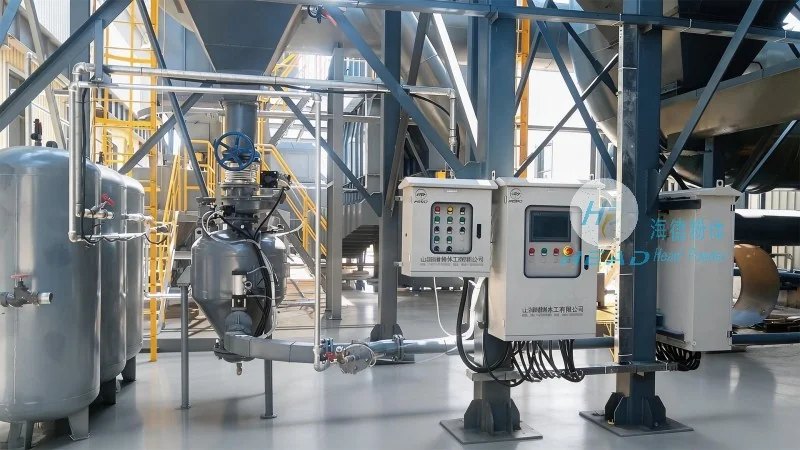
The fundamental principle behind low-pressure continuous material pneumatic conveying is the use of a low-pressure air stream to entrain and transport particles through a closed pipeline system. Unlike high-pressure systems that rely on high velocity air to create a high-velocity flow, low-pressure systems operate at pressures typically ranging from 0.5 to 2 bar (7 to 29 psi), which is sufficient to overcome the frictional forces and gravitational effects on the material particles. The equipment includes a series of components such as a feed hopper, a rotary airlock valve, a conveying pipeline, and a receiver or discharge point. The feed hopper stores the material to be conveyed, and the rotary airlock valve controls the flow of material into the pipeline, ensuring a consistent feed rate. The conveying pipeline is designed with appropriate bends and fittings to maintain the air flow and prevent material buildup or blockages. The receiver collects the material at the end of the pipeline, often equipped with a dust collection system to ensure environmental compliance.
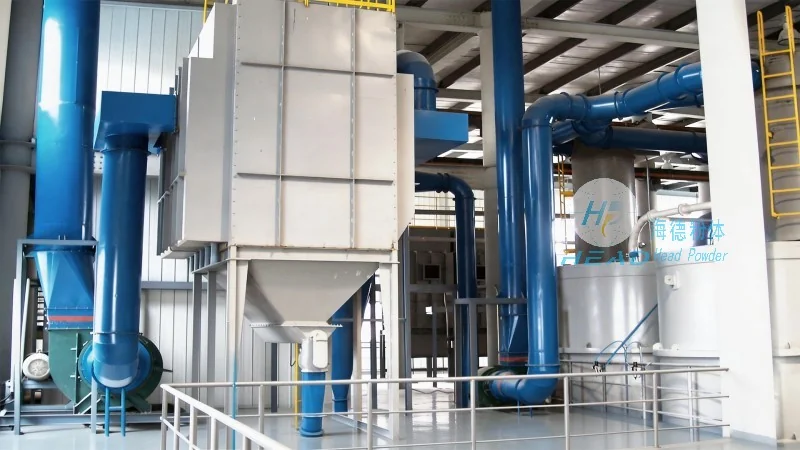
Low-pressure continuous material pneumatic conveying equipment offers several advantages that make it a preferred choice in various industrial applications. One of the primary benefits is its ability to handle a wide range of materials, including fine powders, granules, and even sticky or cohesive materials, without the need for additional processing or conditioning. The continuous operation mode ensures high throughput and efficiency, reducing downtime and labor costs associated with manual material handling. Additionally, the system is relatively compact and can be integrated into existing production lines with minimal modifications. The low pressure operation also minimizes energy consumption compared to high-pressure systems, leading to lower operational costs and reduced environmental impact. Furthermore, the enclosed pipeline design helps maintain material integrity, preventing contamination and dust dispersion, which is crucial for industries with strict hygiene and safety standards, such as food processing, pharmaceuticals, and chemical manufacturing.
Low-pressure continuous material pneumatic conveying equipment is widely used in various industrial sectors due to its adaptability and efficiency. In the food and beverage industry, it is commonly employed for the transportation of ingredients like flour, sugar, and spices, ensuring a hygienic and dust-free process. The pharmaceutical industry utilizes this technology for the handling of active pharmaceutical ingredients (APIs) and excipients, where contamination control and material purity are paramount. In the chemical industry, it is used to convey powders such as catalysts, pigments, and reagents, which require precise and controlled delivery to reactors or processing units. The equipment is also prevalent in the mining and minerals sector, where it is used to transport ore powders and tailings from processing plants to storage or disposal sites. Additionally, in the agricultural sector, it is employed for the handling of grain, feed, and other bulk agricultural products, facilitating efficient storage and distribution. The versatility of low-pressure continuous material pneumatic conveying makes it suitable for both small-scale and large-scale operations, catering to the diverse needs of different industries.
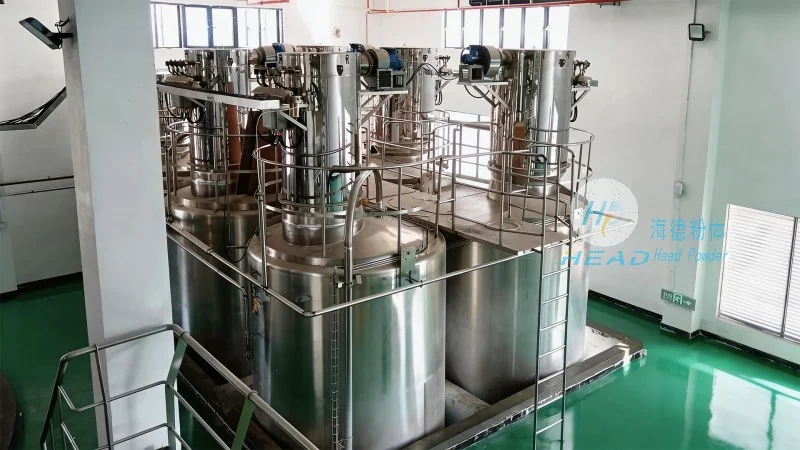
Proper operation and maintenance of low-pressure continuous material pneumatic conveying equipment are essential to ensure optimal performance and longevity. Regular inspection of the conveying pipeline for any signs of wear, corrosion, or blockages is crucial to prevent system failures. The rotary airlock valve and feed hopper should be checked for proper alignment and functionality to maintain consistent material flow. The air filtration system, including filters and separators, must be maintained to prevent clogging and ensure clean air is used for conveying. Additionally, the receiver and dust collection system should be regularly cleaned to avoid material accumulation and maintain air quality. Proper training of operators on the safe and efficient operation of the equipment is also important to prevent accidents and ensure compliance with safety regulations. By adhering to these operational considerations, users can maximize the efficiency and reliability of their low-pressure continuous material pneumatic conveying systems.

 Shandong Headpowder Engineering Co., Ltd.
 156-6277-7102(Manager Zhang)
  0531-83386006
  Zhangqiu District, Jinan City, Shandong Province, China
telephone
WeChatconsult
top