With more than 10‑year industry experience, Shandong Headpowder delivers full‑service pneumatic‑conveying systems and blowers, undertaking nationwide turn‑key powder‑handling projects.
Shandong HeadPowder Engineering Co., Ltd., a leading enterprise based in Shandong, China, specializes in providing advanced solutions for material handling, particularly in the field of pneumatic conveying for sintered dust materials. This article delves into the fundamental principles of pneumatic conveying and highlights the key characteristics of its application scenarios.
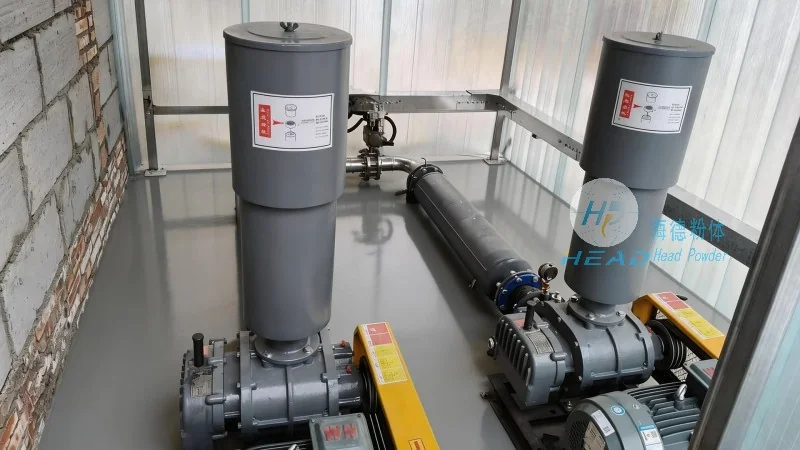
Pneumatic conveying is a method of transporting bulk materials, such as sintered dust, through a pipeline using a stream of air or other gas. The core principle involves creating a pressure differential within the system to move the material. There are two primary types of pneumatic conveying systems: suction (or vacuum) systems and pressure systems. Suction systems operate by creating a negative pressure at the material inlet, drawing the dust into the pipeline. In contrast, pressure systems use positive pressure to push the material through the pipeline. For sintered dust, which often has fine particles and can be prone to dust explosions or environmental issues if not handled properly, pneumatic conveying offers a controlled and efficient method to transport these materials from one location to another.
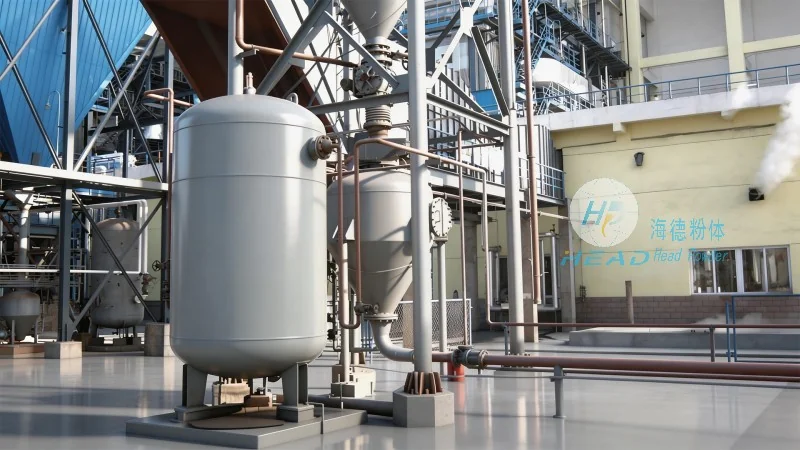
The application of pneumatic conveying for sintered dust materials is characterized by several distinct features that make it suitable for various industrial settings. First, the system is highly efficient in terms of space utilization, as it eliminates the need for large storage silos or conveyor belts, which can be bulky and require significant floor space. Instead, the material is conveyed directly through a network of pipes, allowing for a more compact and flexible layout in industrial facilities. Second, pneumatic conveying is known for its ability to handle fine and abrasive materials like sintered dust without causing excessive wear on equipment. The enclosed pipeline system prevents dust from escaping into the environment, reducing the risk of air pollution and ensuring compliance with environmental regulations. Third, the system can be integrated with other industrial processes, such as dust collection and recycling, to create a closed-loop system that minimizes waste and maximizes resource utilization. This is particularly important in sintering operations, where dust is a byproduct that can be recovered and reused, reducing the overall environmental impact of the process.
When applied to sintered dust handling, pneumatic conveying systems offer several advantages over traditional methods. One of the most significant benefits is the reduction in labor costs and operational complexity. Unlike manual or mechanical conveying methods, which require regular maintenance and may involve human exposure to dust, pneumatic systems operate automatically with minimal human intervention. This not only improves safety but also increases the overall productivity of the operation. Additionally, the enclosed nature of the system ensures that dust is contained within the pipeline, preventing it from contaminating other parts of the facility or the surrounding environment. This is crucial in maintaining the quality of the sintered products and preventing any potential health hazards associated with fine dust particles. Furthermore, the flexibility of pneumatic conveying allows for easy adjustments to the system's capacity and layout, making it adaptable to changes in production volume or facility expansion.
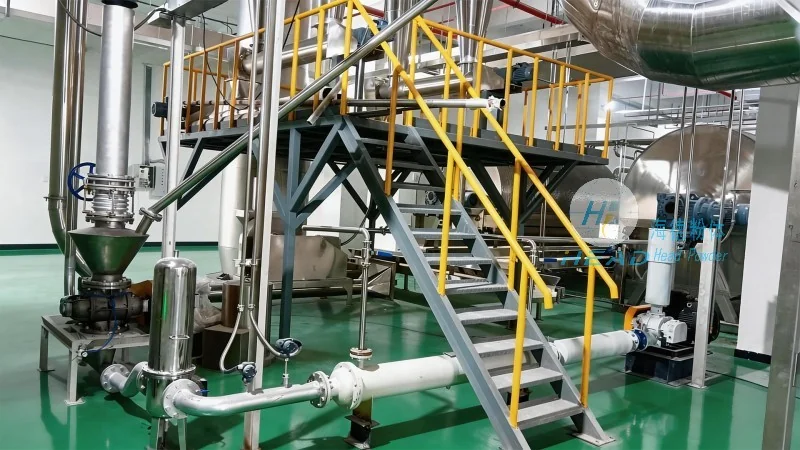
Shandong HeadPowder Engineering Co., Ltd. leverages its expertise in pneumatic conveying technology to provide tailored solutions for the efficient and safe handling of sintered dust materials. By understanding the fundamental principles of pneumatic conveying and the specific characteristics of working scenes, the company ensures that its systems are optimized for performance, reliability, and environmental compliance. The integration of advanced materials and control systems further enhances the efficiency and longevity of these systems, making them a preferred choice for industries dealing with fine, abrasive, and potentially hazardous materials like sintered dust.

 Shandong Headpowder Engineering Co., Ltd.
 156-6277-7102(Manager Zhang)
  0531-83386006
  Zhangqiu District, Jinan City, Shandong Province, China
telephone
WeChatconsult
top