With more than 10‑year industry experience, Shandong Headpowder delivers full‑service pneumatic‑conveying systems and blowers, undertaking nationwide turn‑key powder‑handling projects.
Negative pressure material pneumatic conveying is a key technology in material handling, widely used across various industries for efficient and flexible transportation of bulk materials. This method operates by creating a negative pressure environment in the conveying system, which draws materials from the source to the destination through a pipeline network. The core principle involves the use of a vacuum or low-pressure air stream to move dry powders, granules, or other particulate materials without the need for mechanical components like belts or buckets.
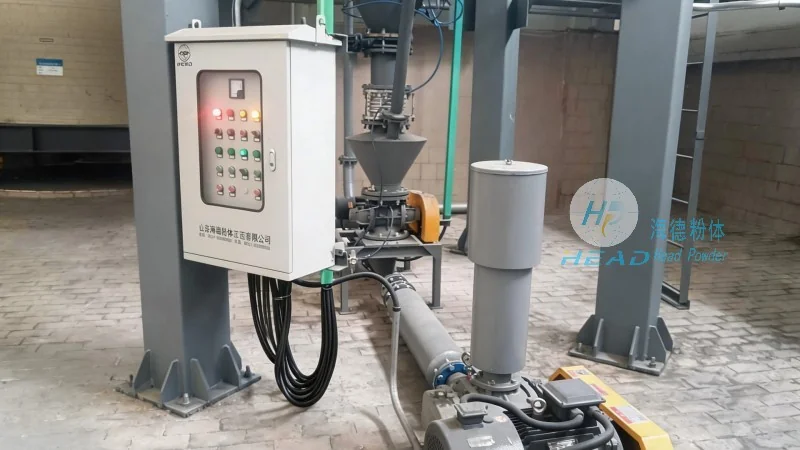
The fundamental mechanism of negative pressure conveying relies on the generation of a pressure differential. A fan or blower is used to create a lower pressure inside the conveying line compared to the ambient atmosphere. This pressure difference causes the material to be drawn into the pipeline as the air flows through it. The material is then carried along the pipeline by the moving air stream, which can be either a dilute phase (where particles are suspended in the air) or a dense phase (where particles are more closely packed). The system typically includes a material inlet, a conveying line, a separation or collection unit, and a fan to maintain the negative pressure. The process is energy-efficient and can handle a wide range of materials, from fine powders to larger granules, depending on the design of the system.
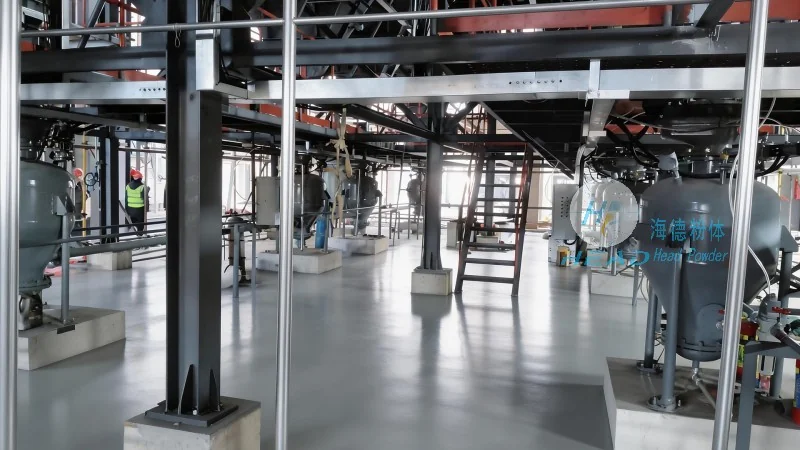
Several critical components work together to ensure the effective operation of a negative pressure material conveying system. The primary components include a fan or vacuum pump, which generates the necessary negative pressure; a material hopper or feeder, which holds the material and controls the flow rate; a conveying line, usually made of metal or plastic, to transport the material and air mixture; a separation or collection device, such as a cyclone or filter, to separate the material from the air at the end of the line; and a control system to regulate the pressure and flow rates. The fan is typically a centrifugal type, designed to handle the air volume and pressure required for the specific material and system size. The material feeder may be a rotary valve or a screw feeder, which ensures a consistent and controlled feed rate to avoid blockages or uneven flow. The conveying line must be properly sized and maintained to prevent pressure losses and material buildup. The separation unit is crucial for recovering the material and cleaning the air before it is discharged to the environment. The control system may include sensors to monitor pressure, flow, and material level, ensuring the system operates within safe and efficient parameters.
The application scenarios of negative pressure material pneumatic conveying are diverse and tailored to the specific needs of different industries. This technology is particularly suitable for environments where dust control and contamination prevention are critical, as the system operates in a closed loop, minimizing exposure to the material and the surrounding environment. It is commonly used in industries such as pharmaceuticals, food processing, chemical manufacturing, and mining, where the handling of sensitive or hazardous materials requires high levels of safety and hygiene. The flexibility of the system allows it to be adapted to various layouts, including long-distance and multi-point delivery, making it ideal for facilities with complex material flow requirements. For example, in a pharmaceutical plant, negative pressure conveying can be used to transport active pharmaceutical ingredients (APIs) from storage to processing areas without exposing them to air or contaminants. In a food processing facility, it can handle powders like flour or sugar, ensuring that the product remains clean and free from cross-contamination. In chemical plants, it is used to transport corrosive or toxic powders, with proper sealing and filtration to protect workers and the environment. The system's ability to handle fine powders and prevent dust dispersion makes it a preferred choice in industries where air quality and product purity are paramount.
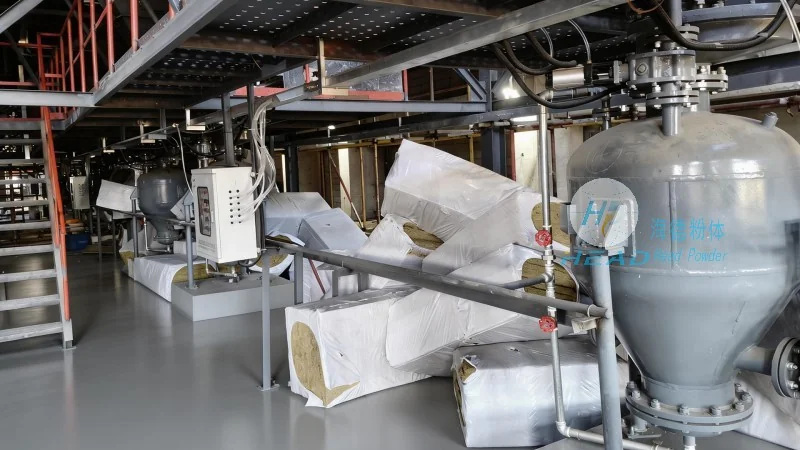
Negative pressure material pneumatic conveying offers several advantages over other material handling methods. One of the main benefits is its ability to handle a wide range of materials, including fine powders that are difficult to transport using mechanical systems. The closed-loop operation reduces dust emissions and improves workplace safety, as the material is contained within the system. The system is also relatively compact and can be installed in tight spaces, making it suitable for facilities with limited floor area. Additionally, the technology is energy-efficient compared to some other conveying methods, as it uses less power to move materials over long distances. However, there are also considerations to keep in mind when implementing a negative pressure conveying system. The initial investment cost can be higher than traditional methods, and the system requires regular maintenance to ensure optimal performance. The design of the system must be carefully tailored to the specific material being handled, as different materials have different flow characteristics and may require adjustments to the pressure and flow rates. For example, cohesive or sticky materials may require additional equipment, such as a vibratory feeder or a pre-drying step, to prevent blockages. The system's efficiency can also be affected by the length of the conveying line and the number of bends or fittings, as these can cause pressure losses and reduce the overall conveying capacity. Proper sizing of the fan and conveying line is essential to avoid under- or over-pressurization, which can lead to material buildup or system failure.

 Shandong Headpowder Engineering Co., Ltd.
 156-6277-7102(Manager Zhang)
  0531-83386006
  Zhangqiu District, Jinan City, Shandong Province, China
telephone
WeChatconsult
top