With more than 10‑year industry experience, Shandong Headpowder delivers full‑service pneumatic‑conveying systems and blowers, undertaking nationwide turn‑key powder‑handling projects.
Desulfurization gypsum, a byproduct of flue gas desulfurization in thermal power plants, is widely used in the production of building materials such as gypsum boards, plaster, and cement. The efficient and reliable transportation of this fine powder is crucial for industrial processes, and pneumatic conveying equipment has become a key solution for handling desulfurization gypsum powder. This article explores the working principle of desulfurization gypsum powder pneumatic conveying equipment and its typical application scenarios, providing insights into how this technology enhances industrial operations.
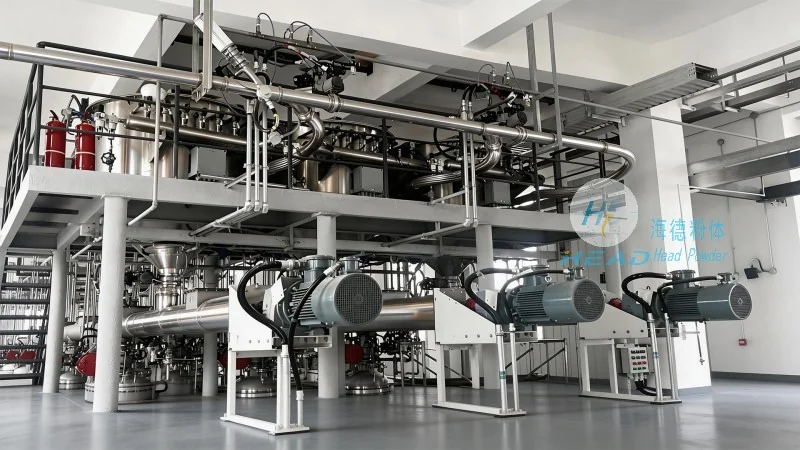
HeadPowder Engineering, a leading manufacturer based in Shandong, China, specializes in the design and production of advanced pneumatic conveying systems. With a strong focus on innovation and customer-centric solutions, the company has established itself as a trusted partner for industries dealing with fine powder handling. HeadPowder Engineering's expertise lies in developing customized equipment that meets the specific requirements of clients, ensuring optimal performance and durability in demanding environments.
Pneumatic conveying systems use air to transport bulk materials like desulfurization gypsum powder through a pipeline network. The equipment operates based on the principle of air flow, which can be categorized into two main types: positive pressure (pressure) conveying and negative pressure (vacuum) conveying. In positive pressure conveying, compressed air is introduced into the material hopper, creating a pressure differential that propels the powder through the pipeline. This method is suitable for long-distance and high-capacity transportation. Negative pressure conveying, on the other hand, uses a vacuum pump to create a negative pressure in the pipeline, drawing the powder from the source to the destination. This approach is ideal for short-distance and low-capacity applications, as well as for handling materials that are sensitive to pressure changes.
For desulfurization gypsum powder, the choice of conveying method depends on factors such as the particle size, moisture content, and the distance between the source and destination. HeadPowder Engineering's equipment is designed to handle the unique characteristics of desulfurization gypsum, which often has a high moisture content and fine particle size. The company's systems incorporate features like air filtration and moisture control to ensure the powder remains in optimal condition during transportation. Additionally, the equipment is equipped with advanced control systems that monitor air pressure, flow rate, and material level, providing real-time feedback and preventing system failures.
The application scenarios of desulfurization gypsum powder pneumatic conveying equipment vary across different industries, each with its own set of requirements and challenges. Understanding these characteristics is essential for selecting the right equipment and optimizing operational efficiency.
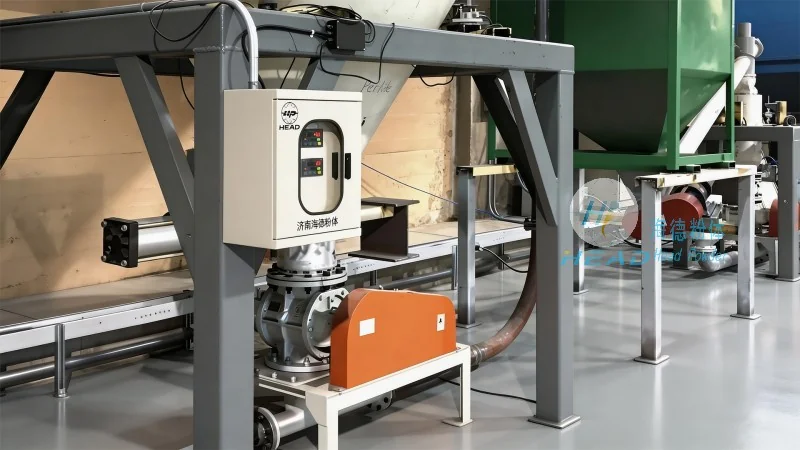
In thermal power plants, desulfurization gypsum is generated as a byproduct of flue gas desulfurization systems. The equipment is typically installed to transport the gypsum from the desulfurization unit to storage silos or processing facilities. The working scene in this context involves high-volume, continuous operation, with the need for reliable and low-maintenance systems. HeadPowder Engineering's equipment is designed to handle the large quantities of gypsum produced by power plants, ensuring smooth and uninterrupted transportation. The systems are also equipped with features like automatic cleaning and maintenance alerts to minimize downtime and maximize productivity.
Desulfurization gypsum is a valuable raw material for the production of gypsum boards, plaster, and other building materials. In this application, the equipment is used to transport the powder from storage silos to production lines. The working scene in building materials manufacturing requires precise control over the powder flow rate and moisture content, as these factors directly impact the quality of the final products. HeadPowder Engineering's systems are equipped with advanced flow control mechanisms and moisture sensors, allowing for accurate and consistent delivery of the gypsum powder. This ensures that the building materials produced are of high quality and meet industry standards.
While less common, desulfurization gypsum can also be used in the chemical and pharmaceutical industries as a filler or binder. The equipment used in these applications must be designed to handle the fine powder and maintain a sterile environment. HeadPowder Engineering's equipment is equipped with sanitary components and air filtration systems, making it suitable for use in these industries. The working scene in chemical and pharmaceutical applications involves low-volume, high-purity transportation, with the need for strict contamination control. The company's systems are designed to meet the stringent requirements of these industries, ensuring that the gypsum powder is delivered in a clean and safe manner.
Desulfurization gypsum is a byproduct that can be managed as a waste material. The equipment is used to transport the gypsum from the power plant to disposal sites or recycling facilities. The working scene in environmental management requires efficient and cost-effective transportation, as well as compliance with environmental regulations. HeadPowder Engineering's equipment is designed to handle the large volumes of gypsum and minimize the environmental impact of its transportation. The systems are also equipped with features like dust suppression and noise reduction, ensuring that the operation is environmentally friendly and compliant with local regulations.
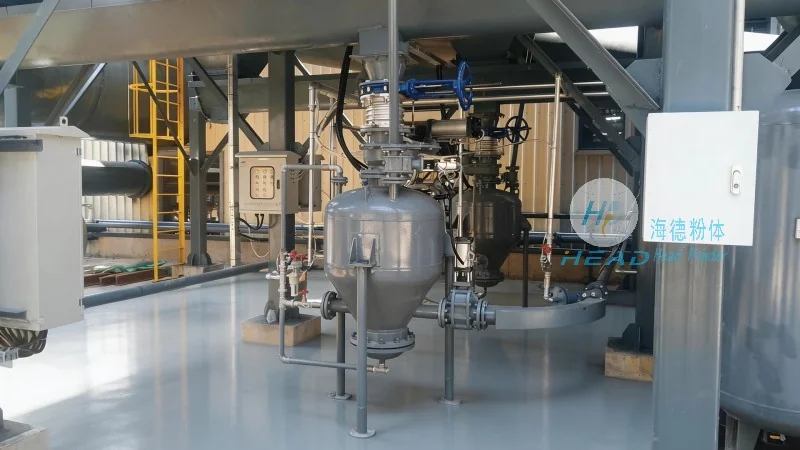
Compared to traditional mechanical conveying methods, pneumatic conveying offers several advantages for handling desulfurization gypsum powder. These include:
1. Efficiency and Reliability: Pneumatic conveying systems can transport large volumes of powder over long distances with minimal downtime. The equipment is designed to handle the unique characteristics of desulfurization gypsum, ensuring consistent and reliable operation.
2. Low Maintenance: Unlike mechanical systems that require regular maintenance and replacement of parts, pneumatic conveying systems have fewer moving parts and are less prone to wear and tear. This reduces maintenance costs and increases the lifespan of the equipment.
3. Environmental Benefits: Pneumatic conveying systems are enclosed, which prevents dust and powder from escaping into the environment. This reduces the risk of air pollution and ensures compliance with environmental regulations.

 Shandong Headpowder Engineering Co., Ltd.
 156-6277-7102(Manager Zhang)
  0531-83386006
  Zhangqiu District, Jinan City, Shandong Province, China
telephone
WeChatconsult
top