With more than 10‑year industry experience, Shandong Headpowder delivers full‑service pneumatic‑conveying systems and blowers, undertaking nationwide turn‑key powder‑handling projects.
Understanding the pneumatic conveying of amino acetic acid powder is crucial for industries that rely on efficient material handling solutions. This article delves into the fundamental principles and practical working scenarios of such systems, highlighting the technological advancements and operational benefits they offer.
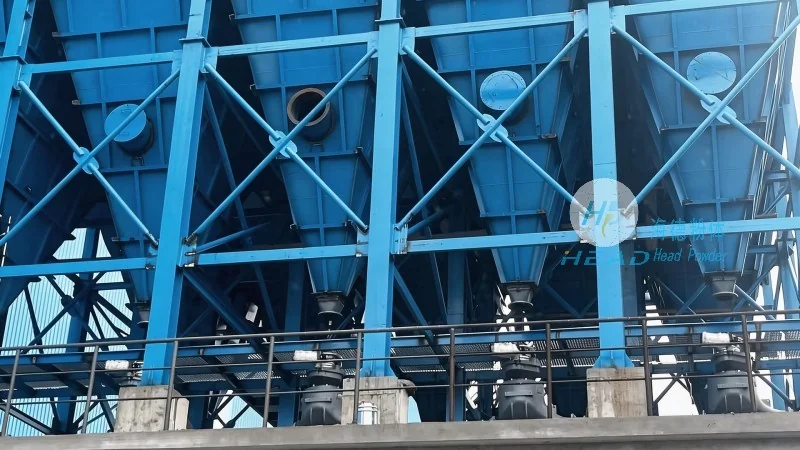
Amino acetic acid, commonly known as glycine, is a widely used organic compound in various industrial applications, including pharmaceuticals, food additives, and chemical synthesis. The efficient transportation of this fine powder from one location to another is essential for maintaining production efficiency and product quality. Pneumatic conveying systems have emerged as a preferred method for handling such powders due to their ability to transport materials without direct contact with mechanical components, reducing contamination risks and wear.
HeadPowder, the brand under Shandong HeadPowder Engineering Co., Ltd., specializes in the design, manufacturing, and implementation of advanced powder handling solutions. With a strong focus on innovation and customer-centric approaches, the company has established itself as a leading provider in the field of pneumatic conveying systems. HeadPowder's expertise lies in tailoring systems to meet the specific needs of clients, ensuring optimal performance and reliability in diverse industrial environments. The company is headquartered in Shandong, China, leveraging local manufacturing capabilities and regional market insights to deliver high-quality products and services.
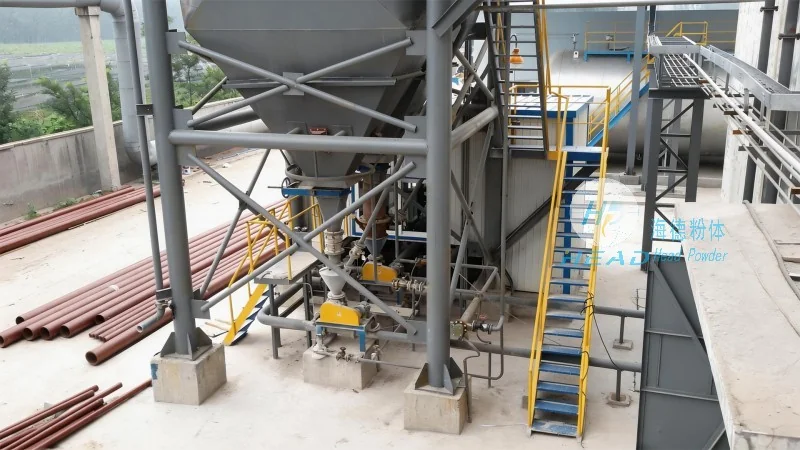
Pneumatic conveying operates on the principle of using compressed air or vacuum to move particulate materials through a pipeline. In the case of amino acetic acid powder, the system typically employs a pressure system, where air is introduced at high pressure into the conveying line, creating a flow that transports the powder particles. The key components of a pneumatic conveying system include a material feed hopper, a conveyor line, a separation or filter unit, and a discharge point. The process begins with the powder being fed into the hopper, where it is then drawn into the conveyor line by the moving air stream. As the powder travels through the pipeline, it is kept suspended by the air flow, preventing clogging and ensuring smooth transport. The system may also incorporate features such as air locks, cyclones, or filters to separate the powder from the air and collect it at the destination.
The working scenario characteristics of amino acetic acid powder pneumatic conveying systems are tailored to the specific requirements of industrial applications. These systems are particularly suitable for scenarios where the powder needs to be transported over moderate distances, typically ranging from a few meters to several hundred meters. The advantages of using pneumatic conveying for amino acetic acid include high transport efficiency, minimal product degradation, and reduced labor costs compared to traditional methods like manual handling or mechanical conveyors. Additionally, the system offers flexibility in terms of layout and integration with existing production lines, allowing for seamless incorporation into manufacturing processes. The reliability of pneumatic conveying systems is further enhanced by their ability to handle fine powders without the risk of agglomeration or blockage, which can be common in other transport methods. This makes them ideal for applications where product purity and consistency are critical, such as in pharmaceutical and food industries.
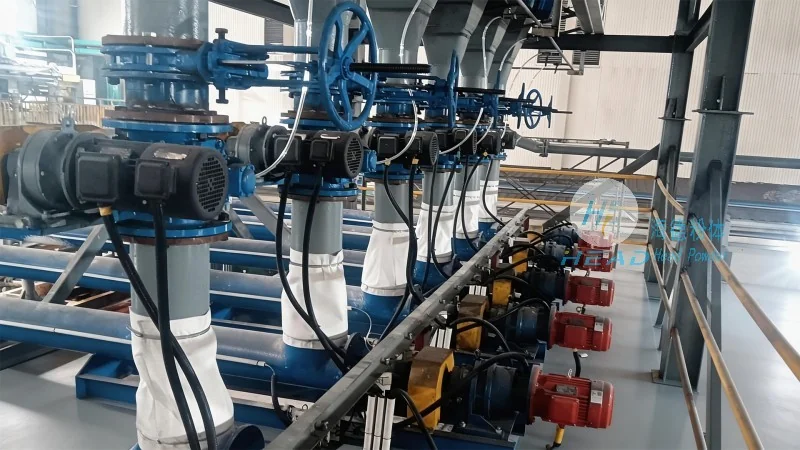
Operational efficiency is a key factor in the success of amino acetic acid powder pneumatic conveying systems. The design of the system, including the air pressure, flow rate, and pipeline diameter, is critical in ensuring optimal performance. Proper maintenance is essential to prevent system downtime and maintain efficiency. Regular checks of air filters, conveyor line cleanliness, and component wear are recommended to ensure the system operates at peak performance. HeadPowder's systems are engineered with durability and ease of maintenance in mind, featuring components that are resistant to corrosion and wear from the handling of fine powders. The company also provides comprehensive support services, including installation, training, and after-sales maintenance, to ensure clients can maximize the operational efficiency of their conveying systems.
In conclusion, the amino acetic acid powder pneumatic conveying system, as exemplified by the solutions offered by Shandong HeadPowder Engineering Co., Ltd., represents a sophisticated and efficient approach to material handling. By leveraging pneumatic principles, these systems provide reliable, clean, and cost-effective transportation of amino acetic acid powder, meeting the demands of modern industrial applications. As industries continue to prioritize efficiency and product quality, the adoption of advanced pneumatic conveying technologies is expected to grow, with companies like HeadPowder playing a pivotal role in driving innovation and delivering tailored solutions to meet evolving market needs.

 Shandong Headpowder Engineering Co., Ltd.
 156-6277-7102(Manager Zhang)
  0531-83386006
  Zhangqiu District, Jinan City, Shandong Province, China
telephone
WeChatconsult
top