

Principle and Working Scene Characteristics of Vacuum Material Handling Powder Pneumatic Conveying S
HeadPowder, a leading provider in the field, specializes in advanced vacuum material handling solutions. This article explores the fundamental principles and operational characteristics of their pneumatic conveying systems designed for powder and bulk material transport.
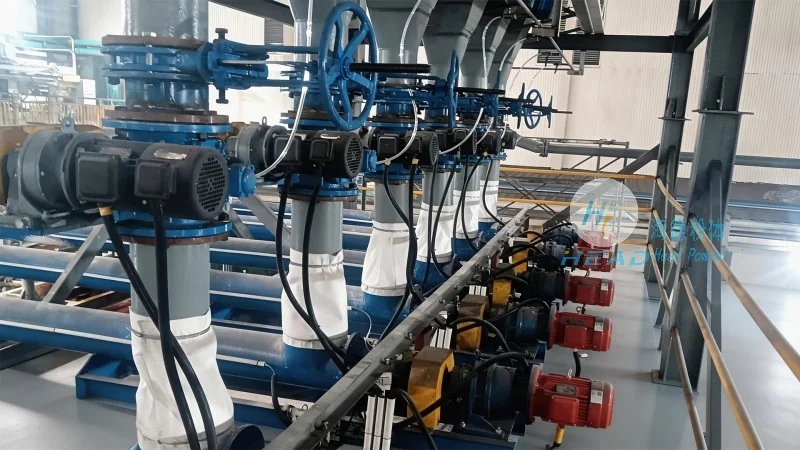
The Core Principle of Vacuum Pneumatic Conveying
The vacuum material handling system operates on the principle of creating a pressure differential between the material source and the destination. By drawing air and material through a sealed pipeline using a vacuum pump, the system efficiently transports powders and granules. This method eliminates the need for mechanical components like conveyors or elevators, reducing maintenance and operational costs while ensuring a clean and dust-free transfer process.
Key Working Scene Characteristics
1. Industrial Manufacturing Applications: In manufacturing facilities, these systems are crucial for transporting raw materials such as powders, chemicals, and food products. The vacuum design allows for precise control over material flow, minimizing product contamination and ensuring consistent quality. For instance, in pharmaceutical or food processing plants, the system’s ability to handle sensitive materials without exposure to external contaminants is highly valued.
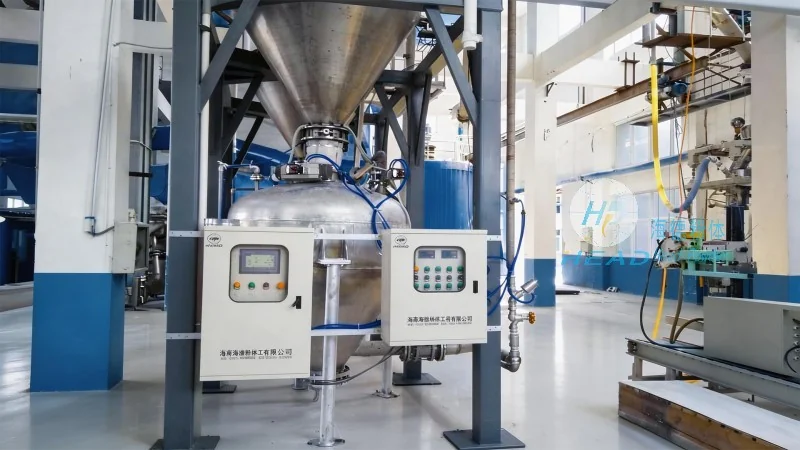
2. Construction and Building Materials Handling: In construction sites, the vacuum system efficiently moves cement, sand, and other bulk materials from storage to mixing stations. The compact design and flexibility of the pipeline make it suitable for on-site applications, reducing labor costs and improving workflow efficiency. The system’s ability to handle large volumes of material quickly and reliably supports construction projects of various scales.
3. Environmental and Waste Management: The vacuum material handling system is also applied in environmental sectors for transporting waste materials, such as sludge or solid waste. The enclosed pipeline prevents odor and dust emissions, ensuring compliance with environmental regulations. This application highlights the system’s versatility in handling diverse materials while maintaining operational safety and environmental standards.
Advantages and Practical Considerations
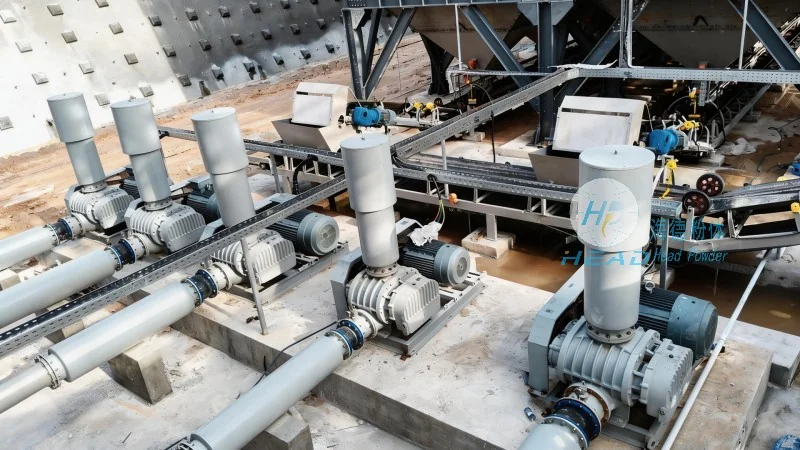
HeadPowder’s vacuum pneumatic conveying systems offer several advantages, including energy efficiency, low maintenance requirements, and the ability to handle a wide range of materials. The system’s design minimizes product degradation and contamination, which is critical in industries where material purity is paramount. Additionally, the flexible pipeline layout allows for easy integration into existing facilities, reducing installation time and costs.
When considering the implementation of a vacuum material handling system, several factors should be evaluated. The material’s properties, such as particle size, moisture content, and flowability, play a significant role in determining the system’s efficiency. Proper system sizing and design are essential to ensure optimal performance and prevent issues like blockages or pressure drops. HeadPowder provides comprehensive technical support and customization services to address these considerations, ensuring that the system meets the specific needs of each application.