With more than 10‑year industry experience, Shandong Headpowder delivers full‑service pneumatic‑conveying systems and blowers, undertaking nationwide turn‑key powder‑handling projects.
For industrial applications involving the handling of powder materials, efficient and reliable material transport is crucial. This article delves into the principle and working scene characteristics of a fully automatic powder pneumatic conveying system, highlighting its operational efficiency and suitability for diverse industrial environments. The system is designed to streamline the process of transporting bulk powders from storage to processing units, ensuring minimal human intervention and enhanced safety standards.
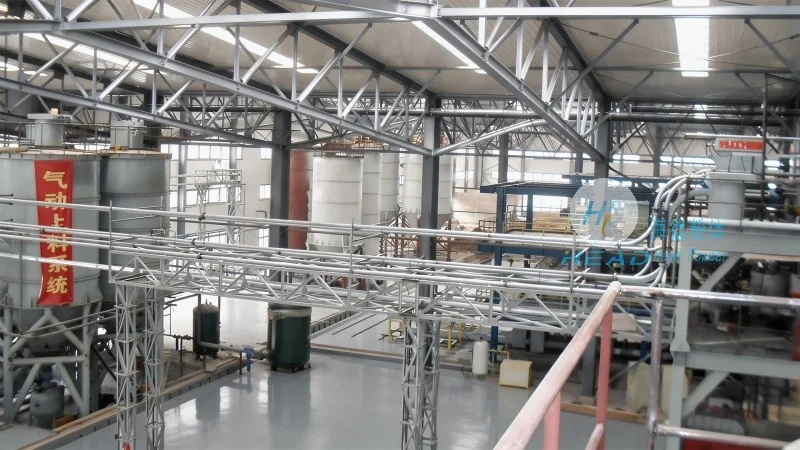
The core principle of the fully automatic powder pneumatic conveying system lies in the use of air as the conveying medium to transport dry powder materials. The system typically operates under either positive pressure (pressure conveying) or negative pressure (suction conveying), depending on the specific requirements of the material and the layout of the processing facility. In pressure conveying, a blower or compressor generates high-pressure air that pushes the powder through a pipeline network, while suction conveying uses a vacuum pump to draw the powder from the source into the conveying line. The fully automatic feature is achieved through integrated sensors and control systems that monitor the flow rate, pressure, and material level, adjusting the air supply and conveying parameters in real-time to maintain optimal performance. This automation ensures consistent and reliable material transport, reducing downtime and operational errors associated with manual handling.
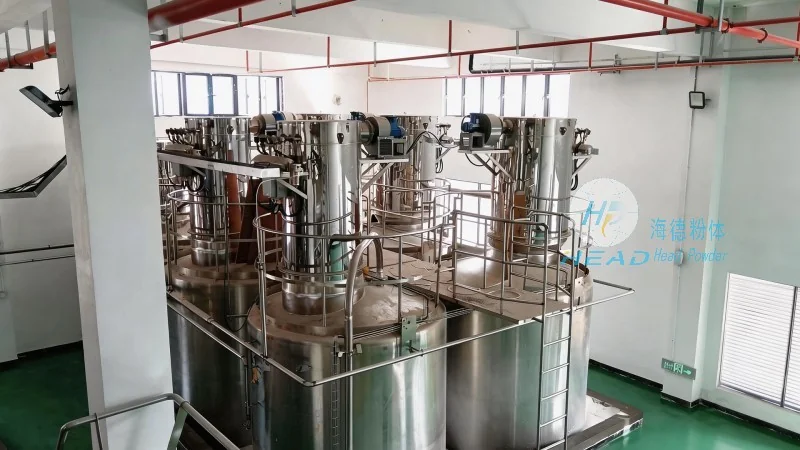
The fully automatic powder pneumatic conveying system is particularly well-suited for various industrial sectors where the handling of fine or bulk powders is essential. In the chemical industry, for example, it is used to transport raw materials such as powders of pigments, additives, and catalysts to reactors and mixing units, ensuring precise dosing and minimizing contamination risks. The system's ability to handle abrasive and corrosive powders makes it ideal for applications in the pharmaceutical industry, where product purity and safety are paramount. Additionally, in the food and beverage sector, the system is employed to convey ingredients like flour, sugar, and spices to production lines, maintaining hygiene standards and preventing cross-contamination. The working scene characteristics also include its adaptability to different plant layouts, as the flexible pipeline design allows for easy integration into existing production facilities without major structural modifications. The system's energy efficiency and low maintenance requirements further enhance its suitability for continuous operation in manufacturing environments.
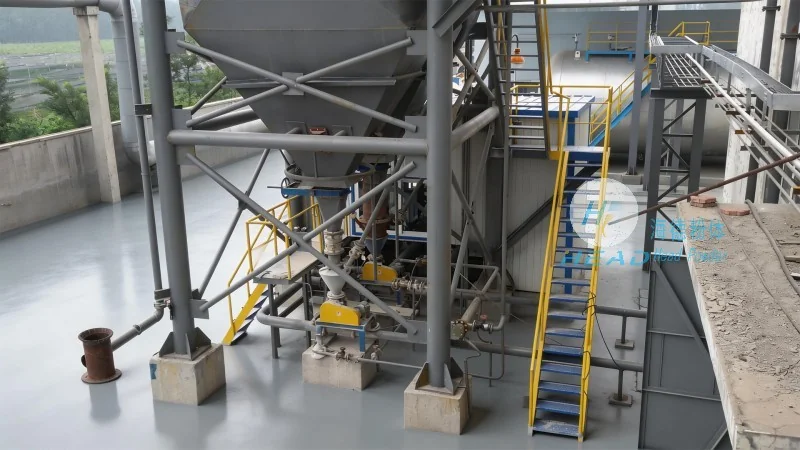
Implementing a fully automatic powder pneumatic conveying system offers several key advantages that contribute to improved operational efficiency and cost savings. Firstly, the automation of the material transport process reduces the need for manual labor, lowering labor costs and minimizing the risk of human error. The system's ability to maintain consistent material flow rates ensures that downstream processes, such as mixing and processing, operate smoothly without interruptions. Additionally, the system's design minimizes material degradation and loss, as the enclosed pipeline network prevents dust dispersion and product contamination. From an environmental perspective, the system reduces the generation of dust and airborne particles, contributing to a cleaner and safer working environment. The real-time monitoring and control features also enable quick detection of system malfunctions, allowing for prompt maintenance and reducing the likelihood of equipment failure. Overall, the fully automatic powder pneumatic conveying system provides a reliable and efficient solution for industrial powder handling, aligning with modern manufacturing standards and requirements.

 Shandong Headpowder Engineering Co., Ltd.
 156-6277-7102(Manager Zhang)
  0531-83386006
  Zhangqiu District, Jinan City, Shandong Province, China
telephone
WeChatconsult
top