With more than 10‑year industry experience, Shandong Headpowder delivers full‑service pneumatic‑conveying systems and blowers, undertaking nationwide turn‑key powder‑handling projects.
Shandong HeadPowder Engineering Co., Ltd., a leading manufacturer based in Shandong, China, specializes in the design and production of advanced material handling systems. The company's expertise lies in developing efficient solutions for transporting materials, particularly through the use of acrylic esters rubber components. This article delves into the fundamental principles of acrylic esters rubber material handling systems and highlights the key working scene characteristics that make them indispensable in various industrial applications.
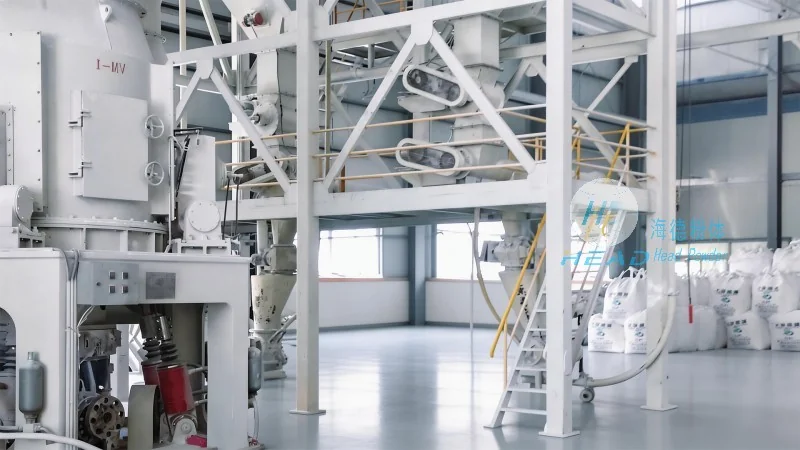
Acrylic esters rubber is a specialized elastomer known for its exceptional resistance to heat, chemicals, and mechanical stress. In material handling systems, this rubber is integrated into conveyor belts, rollers, and other components to ensure reliable and durable performance. The primary principle behind these systems is the seamless transfer of materials from one point to another, often in high-temperature or corrosive environments where traditional materials may fail. The rubber's ability to maintain flexibility and strength under extreme conditions makes it ideal for applications such as food processing, chemical manufacturing, and heavy industry.
The working scene characteristics of acrylic esters rubber material handling systems are tailored to meet the demands of diverse industrial settings. These systems are designed to operate efficiently in environments with varying temperatures, from -40°C to +150°C, ensuring consistent performance regardless of the ambient conditions. Additionally, the rubber's resistance to oils, solvents, and aggressive chemicals prevents degradation and maintains the integrity of the material being transported. This makes the systems suitable for handling sensitive or hazardous materials without compromising safety or product quality.
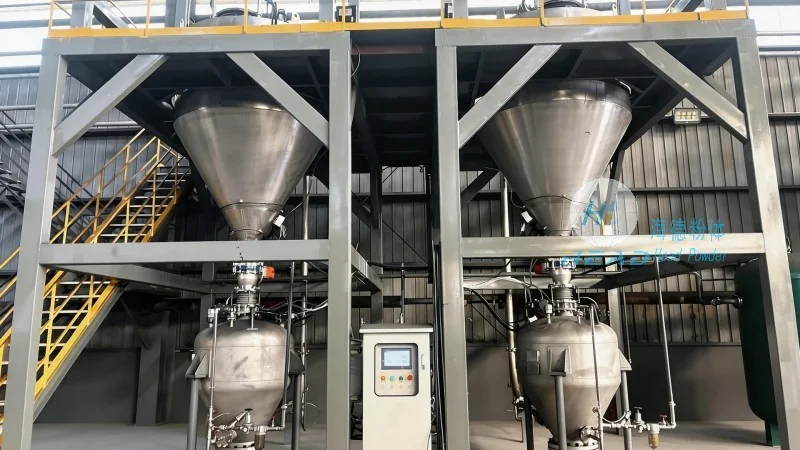
Acrylic esters rubber material handling systems are widely used across multiple industries, each presenting unique challenges that the technology addresses effectively. In the food and beverage sector, the systems are employed for transporting raw ingredients and finished products, where hygiene and non-toxicity are paramount. The rubber's resistance to cleaning agents and its ability to retain its shape under repeated use ensure long-term reliability. In chemical manufacturing, the systems handle corrosive substances, protecting both the equipment and the environment from damage. Similarly, in heavy industry, such as mining and construction, the systems transport bulk materials like coal, ore, and gravel, withstanding heavy loads and abrasive conditions.
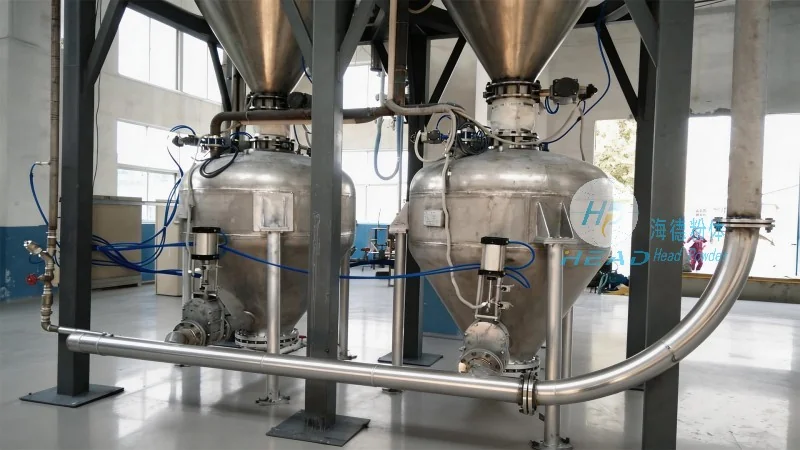
One of the significant advantages of acrylic esters rubber material handling systems is their durability and low maintenance requirements. The rubber components have a longer service life compared to traditional materials, reducing operational costs and downtime. Furthermore, the systems are designed for easy installation and integration into existing production lines, minimizing disruption to ongoing operations. Technical specifications include high tensile strength, excellent tear resistance, and a wide range of hardness options to suit specific application needs. These features collectively contribute to the overall efficiency and effectiveness of the material handling process.
As industries continue to evolve and demand higher performance from material handling equipment, acrylic esters rubber systems remain a critical solution. Their ability to withstand harsh conditions while maintaining efficiency makes them a preferred choice for companies seeking reliable and cost-effective material transport solutions. Shandong HeadPowder Engineering Co., Ltd. continues to innovate in this field, providing tailored systems that meet the specific needs of its clients. By leveraging the unique properties of acrylic esters rubber, these systems ensure smooth operations and contribute to the overall productivity of industrial processes.

 Shandong Headpowder Engineering Co., Ltd.
 156-6277-7102(Manager Zhang)
  0531-83386006
  Zhangqiu District, Jinan City, Shandong Province, China
telephone
WeChatconsult
top