With more than 10‑year industry experience, Shandong Headpowder delivers full‑service pneumatic‑conveying systems and blowers, undertaking nationwide turn‑key powder‑handling projects.
HeadPowder, a leading engineering company based in Shandong, China, specializes in the design and implementation of advanced material handling solutions. This article provides an in-depth look at the principles and operational characteristics of coking coal pellet material handling systems, highlighting their efficiency and adaptability in industrial applications.
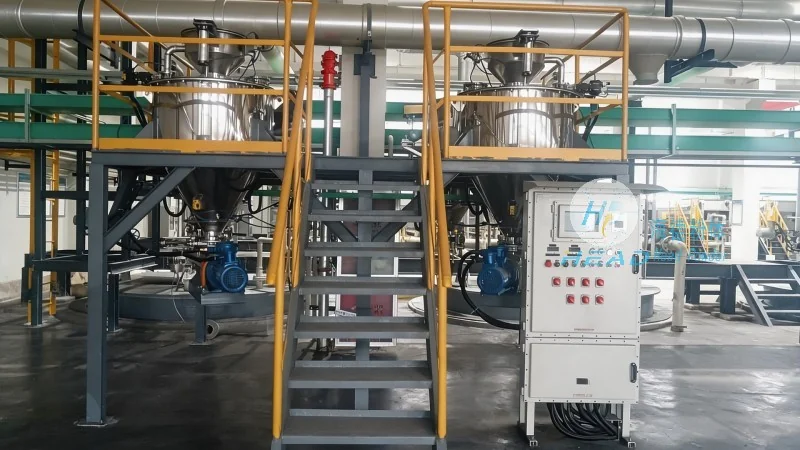
The primary principle of coking coal pellet material handling systems is to ensure the safe, efficient, and reliable transport of coking coal pellets from production sites to processing or storage facilities. These systems are engineered to handle the unique physical properties of coking coal pellets, such as their size, density, and abrasiveness. The design incorporates robust components, including high-capacity conveyors, specialized feeding mechanisms, and advanced control systems to maintain consistent material flow and minimize downtime.
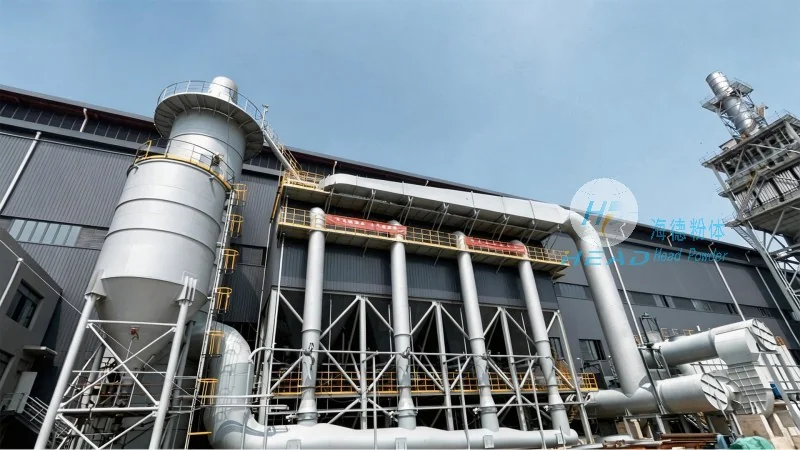
Several critical components work in tandem to ensure the smooth operation of coking coal pellet material handling systems. The conveyor system, often utilizing belt or screw conveyors, is designed to handle the bulk movement of pellets with minimal friction and wear. Feeding mechanisms, such as rotary valves or vibratory feeders, regulate the flow rate and distribution of the material, preventing blockages and ensuring uniform loading onto the conveyor. Additionally, control systems, including sensors and programmable logic controllers (PLCs), monitor and adjust the system parameters in real-time, optimizing performance and maintaining operational safety.

Coking coal pellet material handling systems are widely used in various industrial settings, including coking plants, steel mills, and coal processing facilities. The working scene characteristics vary based on the specific application, with systems tailored to handle different volumes and operational conditions. For instance, in coking plants, these systems are crucial for transporting raw coking coal pellets to the coking ovens, where they are converted into coke. In steel mills, they facilitate the movement of pellets to sintering or blast furnace operations, ensuring a steady supply of raw materials. The adaptability of these systems allows them to operate in diverse environments, from indoor processing facilities to outdoor storage and transfer points.
Implementing coking coal pellet material handling systems offers numerous advantages for industrial operations. The primary benefit is enhanced efficiency, as these systems reduce manual labor and minimize material handling time, leading to increased production throughput. Additionally, the use of robust and specialized components ensures durability and low maintenance costs, contributing to long-term operational reliability. The advanced control systems also improve safety by preventing accidents and ensuring compliance with industry standards. Furthermore, the ability to customize systems to specific operational needs allows companies to optimize their material flow and reduce waste, ultimately improving overall operational performance.
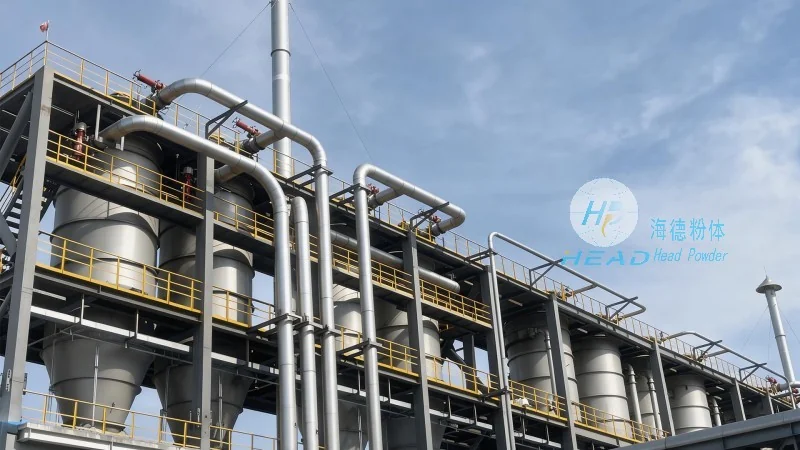
HeadPowder Engineering Co., Ltd., with its headquarters in Shandong, China, is a trusted provider of innovative material handling solutions for coking coal pellet applications. By leveraging advanced engineering principles and tailored system designs, HeadPowder ensures that its clients achieve optimal performance, efficiency, and safety in their material handling operations. The company's commitment to quality and customer satisfaction has established it as a leader in the industry, offering comprehensive solutions that meet the evolving needs of modern industrial processes.

 Shandong Headpowder Engineering Co., Ltd.
 156-6277-7102(Manager Zhang)
  0531-83386006
  Zhangqiu District, Jinan City, Shandong Province, China
telephone
WeChatconsult
top