

Principles and Operational Characteristics of Synthetic Fiber Powder Transport Systems
For industrial applications involving synthetic fiber powders, efficient and reliable transport systems are crucial to maintaining production efficiency and product quality. This article explores the principles and operational characteristics of synthetic fiber powder transport systems, focusing on the technical foundations and practical applications that define their performance in various industrial settings.
System Principles: Ensuring Smooth Material Handling
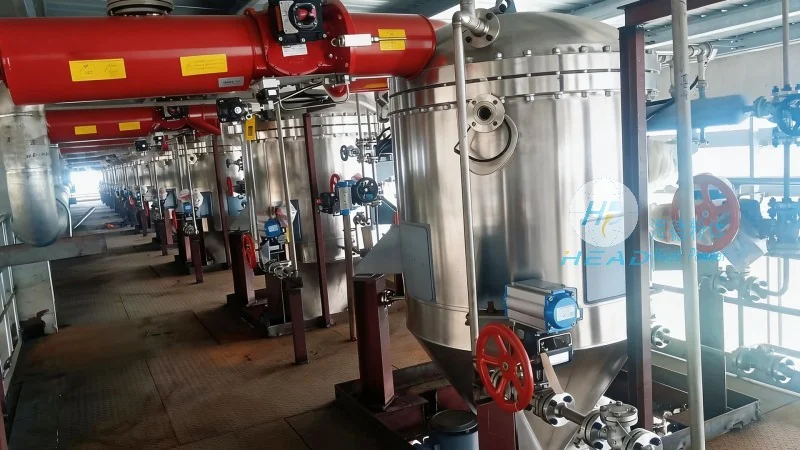
The core of synthetic fiber powder transport systems lies in their ability to handle fine, often abrasive materials while minimizing material degradation and system wear. These systems typically incorporate advanced engineering solutions such as pneumatic conveying, screw conveyors, and hopper designs tailored to the unique properties of synthetic fibers. The principle of pneumatic conveying, for instance, involves using compressed air to transport powders through pipelines, which is particularly effective for materials that are difficult to handle with traditional mechanical methods. This approach not only reduces the risk of material contamination but also enhances the system's flexibility in terms of layout and integration with other production equipment.
Working Scene Characteristics: Tailored for Industrial Efficiency
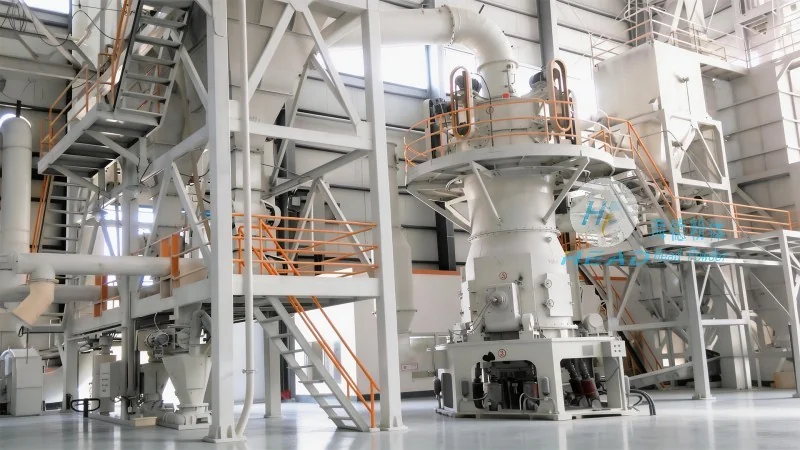
Synthetic fiber powder transport systems are designed to operate in diverse industrial environments, each with specific requirements that influence system design and functionality. In textile manufacturing, for example, these systems must handle fibers with varying lengths and diameters, often requiring adjustable conveying speeds and particle separation mechanisms to prevent clogging and ensure consistent material flow. In chemical processing plants, the systems may need to accommodate higher temperatures or corrosive environments, necessitating the use of specialized materials for components like hoppers and pipelines to maintain durability and safety. Additionally, in recycling facilities, the transport systems must be capable of handling mixed or contaminated powders, with features such as filtration and cleaning mechanisms to maintain material purity and system efficiency.
Company Overview: HeadPowder Engineering's Expertise
Shandong HeadPowder Engineering Co., Ltd., based in Shandong, China, specializes in the design, manufacturing, and integration of advanced powder handling solutions tailored to the needs of synthetic fiber industries. With a focus on innovation and customer-centric solutions, HeadPowder Engineering leverages years of experience in material science and industrial engineering to develop systems that meet the highest standards of performance and reliability. The company's commitment to quality is reflected in its adherence to international standards and rigorous testing protocols, ensuring that each system is optimized for the specific operational demands of its clients.
Key Features and Benefits of Synthetic Fiber Transport Systems
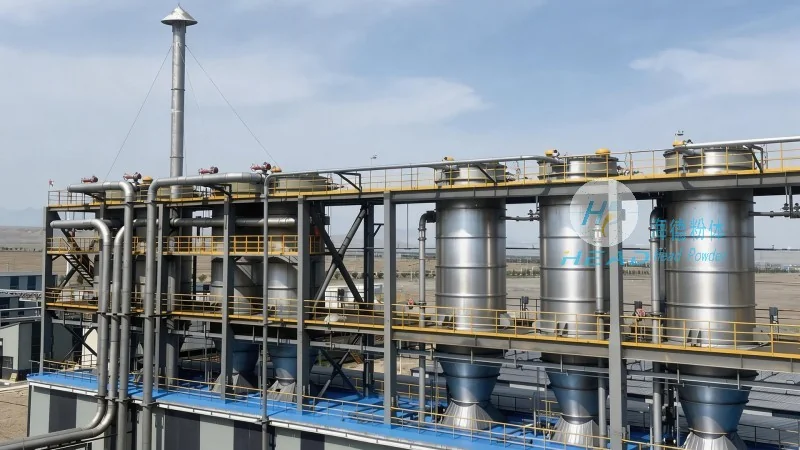
Modern synthetic fiber powder transport systems offer a range of features that enhance operational efficiency and product quality. These include automated control systems that allow for real-time monitoring and adjustment of conveying parameters, reducing downtime and improving process consistency. Additionally, the use of energy-efficient designs and materials helps to minimize operational costs while maintaining high performance levels. The systems also incorporate safety features such as pressure relief valves and emergency shut-off mechanisms, ensuring compliance with industrial safety regulations and protecting personnel and equipment from potential hazards.