

Principle and Working Scene Characteristics of PTFE Powder Conveying Machines
PTFE (Polytetrafluoroethylene) powder conveying machines are specialized equipment designed to handle the unique challenges of transporting PTFE powder efficiently and safely. As a leading manufacturer in the field, Shandong HeadPowder Engineering Co., Ltd. from China has developed advanced solutions tailored to the demands of various industrial applications. This article explores the fundamental principles behind these machines and highlights key working scene characteristics that make them indispensable in modern manufacturing processes.
The Core Principle of PTFE Powder Conveying
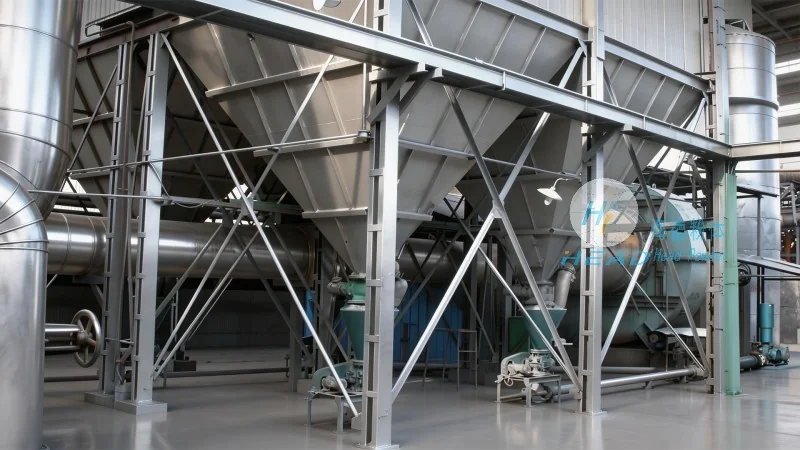
The operation of PTFE powder conveying machines is based on a combination of mechanical and pneumatic principles. These systems typically utilize a closed-loop design to ensure minimal dust emission and maintain product purity. The process begins with the feeding of PTFE powder into a hopper, where it is then transported through a network of pipes or hoses using compressed air or vacuum technology. The choice of conveying method depends on factors such as the powder's flowability, particle size, and the required transport distance. For PTFE powder, which is known for its low friction and chemical inertness, pneumatic conveying is often preferred due to its ability to handle fine powders without causing degradation or contamination.
Key Working Scene Characteristics
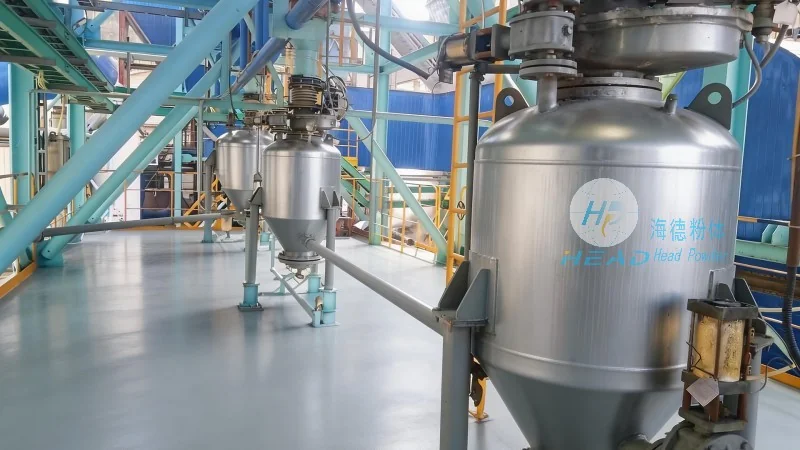
Several distinct characteristics define the working scenes where PTFE powder conveying machines are employed. First, the need for high-purity environments is paramount, as PTFE is widely used in applications like semiconductor manufacturing, pharmaceuticals, and aerospace, where even trace contaminants can compromise product quality. Consequently, these machines are equipped with advanced filtration systems and sealed components to prevent cross-contamination. Second, the systems must operate in a controlled temperature range, as PTFE's properties can be affected by extreme temperatures. Most PTFE powder conveying machines are designed to maintain ambient temperatures, ensuring the powder remains in its optimal state throughout the conveying process. Third, the equipment must be easy to clean and maintain, given the potential for PTFE to adhere to surfaces. Shandong HeadPowder Engineering Co., Ltd. incorporates user-friendly designs with quick-release components and easy-to-access maintenance points, reducing downtime and operational costs.
Applications in Diverse Industries
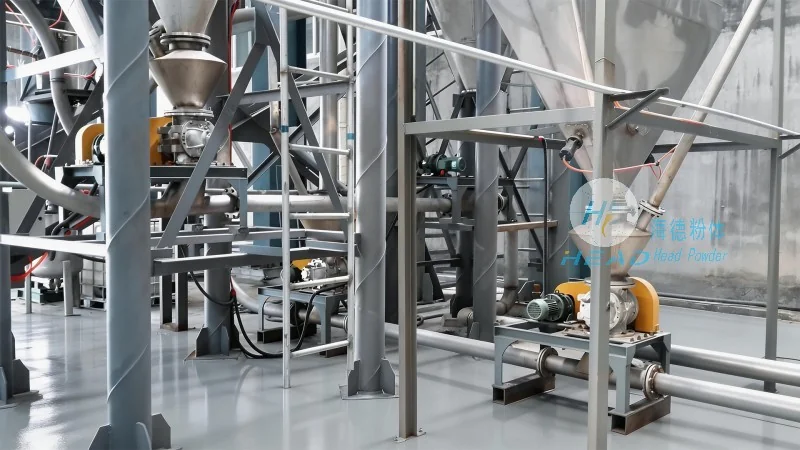
PTFE powder conveying machines find applications across a wide range of industries, each with specific requirements that the equipment must meet. In the chemical industry, these machines are used to transport PTFE powders for the production of coatings, lubricants, and adhesives. The precision and reliability of the conveying systems ensure consistent product quality, which is critical for downstream manufacturing processes. In the medical field, PTFE is used in the production of surgical implants and medical devices, where the purity and sterility of the powder are non-negotiable. The sealed and sterile design of the conveying machines from Shandong HeadPowder Engineering Co., Ltd. complies with stringent regulatory standards, making them suitable for pharmaceutical and medical applications. Additionally, in the aerospace sector, PTFE is used for manufacturing high-performance components, such as seals and bearings. The ability of these conveying systems to handle fine powders with minimal particle degradation is essential for producing components that meet strict performance and reliability criteria.
Advantages of PTFE Powder Conveying Machines
Compared to traditional methods of powder handling, such as manual scooping or bucket elevators, PTFE powder conveying machines offer several advantages. First, they provide a continuous and automated conveying process, reducing labor costs and increasing production efficiency. The automated systems can be integrated with other manufacturing equipment, creating a seamless workflow. Second, the closed-loop design minimizes dust emissions, improving workplace safety and compliance with environmental regulations. This is particularly important in industries where air quality is a concern. Third, the equipment is highly durable and resistant to corrosion, as PTFE itself is chemically inert. This durability reduces the need for frequent replacements and maintenance, lowering the total cost of ownership. Finally, the flexibility of these systems allows for easy adaptation to changing production needs, such as scaling up or down production volumes without significant modifications to the conveying infrastructure.
Conclusion and Company Overview
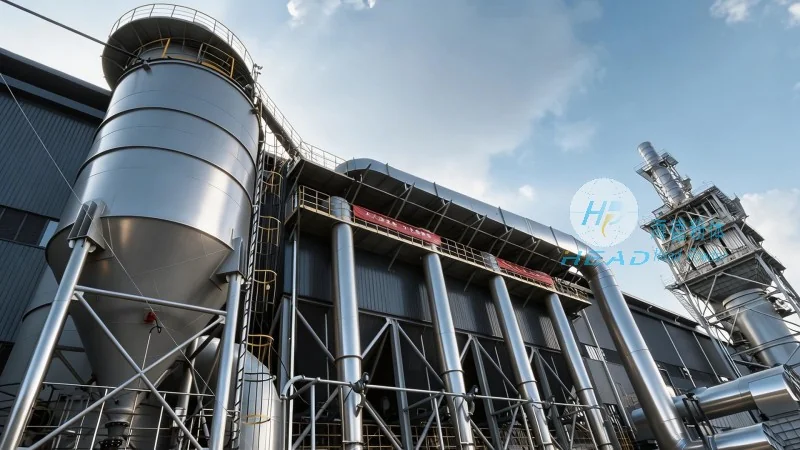
PTFE powder conveying machines are essential equipment for industries that rely on high-purity PTFE powders. The principles and working scene characteristics of these machines ensure efficient, safe, and reliable powder transport. Shandong HeadPowder Engineering Co., Ltd., based in China, has established itself as a trusted provider of advanced PTFE powder conveying solutions. With a focus on innovation and customer satisfaction, the company continues to develop equipment that meets the evolving needs of modern manufacturing. By understanding the core principles and key characteristics of PTFE powder conveying systems, industries can make informed decisions when selecting the right equipment for their applications, ultimately enhancing product quality and operational efficiency.