With more than 10‑year industry experience, Shandong Headpowder delivers full‑service pneumatic‑conveying systems and blowers, undertaking nationwide turn‑key powder‑handling projects.
Ammonium sulfate is a widely used chemical compound in various industrial applications, and efficient powder conveying is crucial for its handling and transportation. The process of conveying ammonium sulfate powder involves understanding the fundamental principles that govern its movement through different systems. This article explores the core principles of ammonium sulfate powder conveying and highlights the key application scenarios where such systems are employed, providing insights into the technology and operational aspects of these systems.
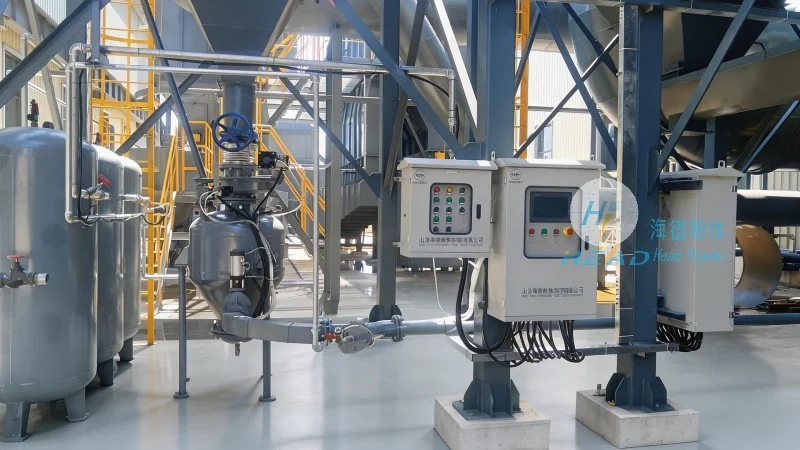
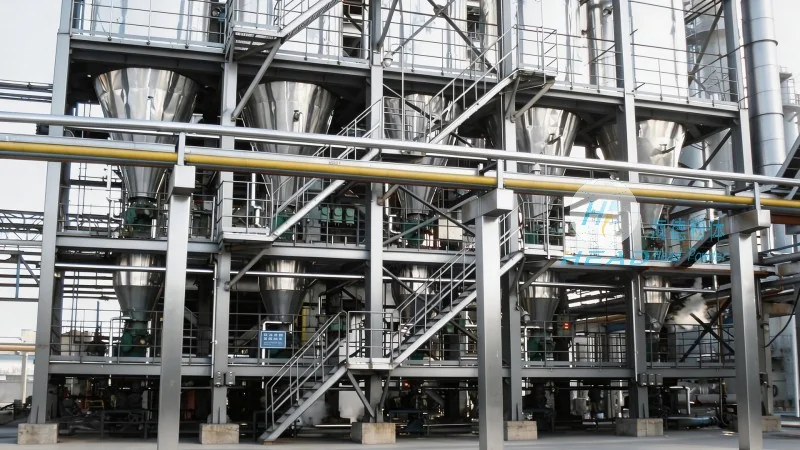
The conveying of ammonium sulfate powder relies on several key principles that ensure effective and reliable material transport. These principles include the understanding of particle size distribution, bulk density, and flow characteristics of the powder. Ammonium sulfate particles typically have a relatively uniform size, which contributes to consistent flow properties. The bulk density of the material, often around 0.8 to 1.0 g/cm³, affects the pressure drop and energy consumption during conveying. Additionally, the flowability of ammonium sulfate, influenced by moisture content and particle cohesion, is critical for selecting the appropriate conveying method. For instance, low moisture content ensures better flow, reducing the risk of blockages and ensuring smooth operation. The principles also involve the selection of appropriate equipment, such as screw conveyors, pneumatic conveyors, or bucket elevators, based on the specific characteristics of the powder and the system requirements. Each equipment type has its advantages and limitations, and the choice depends on factors like the distance to be covered, the volume of material, and the need for dust control. The design of the conveying system must also consider the potential for material segregation and the need for consistent feeding to maintain stable operation. By adhering to these principles, operators can optimize the conveying process, minimize downtime, and enhance overall efficiency.
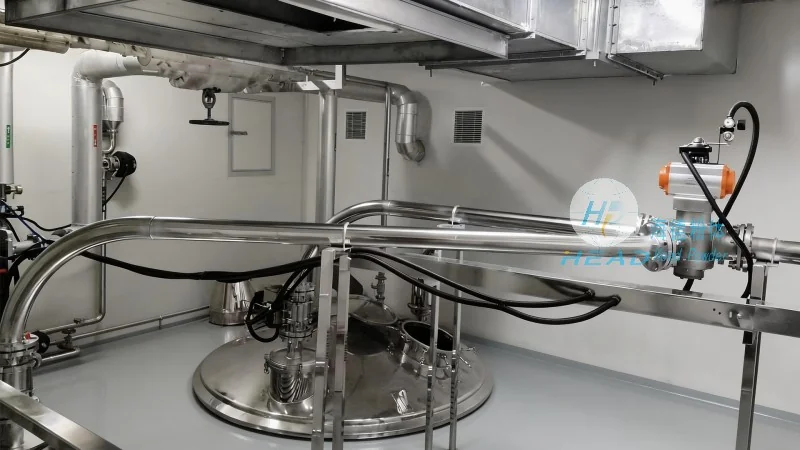
Ammonium sulfate powder conveying systems are employed in a variety of industrial settings, each with unique requirements and operational challenges. One common application is in fertilizer production, where ammonium sulfate is used as a nitrogen source in agricultural fertilizers. In this scenario, the powder is conveyed from storage silos to processing units, where it is mixed with other ingredients to form granules or prills. The conveying system must handle large volumes of material, often at high speeds, to meet production demands. Another application is in the chemical industry, where ammonium sulfate is used as a raw material in the production of other chemicals, such as ammonium nitrate or ammonium phosphate. Here, the conveying system may need to transport the powder to reactors or storage tanks, requiring precise control over flow rates and pressure. The pharmaceutical industry also utilizes ammonium sulfate in some formulations, and conveying systems are used to move the powder from raw material storage to manufacturing lines. In addition, the food industry may use ammonium sulfate as a food additive, and the conveying process must comply with strict hygiene standards. Each application scenario demands a tailored approach to conveying, considering factors like the environment, safety regulations, and the need for contamination control. For example, in food processing, the system may use enclosed conveyors to prevent cross-contamination and ensure product safety. In industrial settings, the focus is often on maximizing throughput and minimizing energy consumption. The choice of conveying method, such as pneumatic conveying for long distances or screw conveyors for short distances, is critical in these scenarios. By understanding the specific needs of each application, companies can select the most suitable conveying system, ensuring efficient and reliable operation.
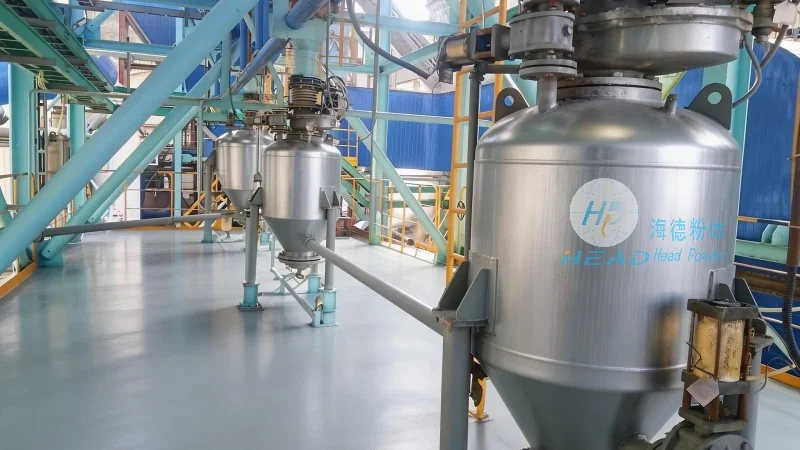
Shandong HeadPowder Engineering Co., Ltd., a leading provider of powder handling solutions, specializes in designing and manufacturing conveying systems tailored to the unique needs of ammonium sulfate powder applications. With a strong focus on innovation and customer satisfaction, the company offers a range of equipment and services that enhance the efficiency and reliability of powder conveying processes. The company’s expertise lies in understanding the material properties of ammonium sulfate and adapting conveying systems to meet the specific requirements of each client. For instance, HeadPowder engineers consider factors such as particle size, moisture content, and flowability when designing a conveying system. They also take into account the operational environment, including the need for dust control and safety measures. The company provides customized solutions, from simple screw conveyors to complex pneumatic conveying systems, ensuring that clients receive the most appropriate equipment for their applications. HeadPowder’s team of experts works closely with clients to assess their needs, provide technical support, and offer maintenance services to ensure long-term performance. The company’s commitment to quality and customer service has made it a trusted partner in the industry, helping businesses optimize their powder handling processes and improve overall productivity. By leveraging the company’s expertise, clients can achieve efficient and reliable ammonium sulfate powder conveying, reducing operational costs and enhancing product quality. HeadPowder’s solutions are designed to meet the highest standards of performance and safety, ensuring that clients can operate their systems with confidence and peace of mind.

 Shandong Headpowder Engineering Co., Ltd.
 156-6277-7102(Manager Zhang)
  0531-83386006
  Zhangqiu District, Jinan City, Shandong Province, China
telephone
WeChatconsult
top