

Principles and Application Characteristics of Rapeseed Powder Conveying
HeadPowder, a leading engineering company based in Shandong, China, specializes in the design and implementation of efficient powder conveying systems tailored for rapeseed processing. This article delves into the fundamental principles behind rapeseed powder conveying and highlights the key characteristics of its working scenarios, providing insights into how these systems optimize material handling in industrial settings.
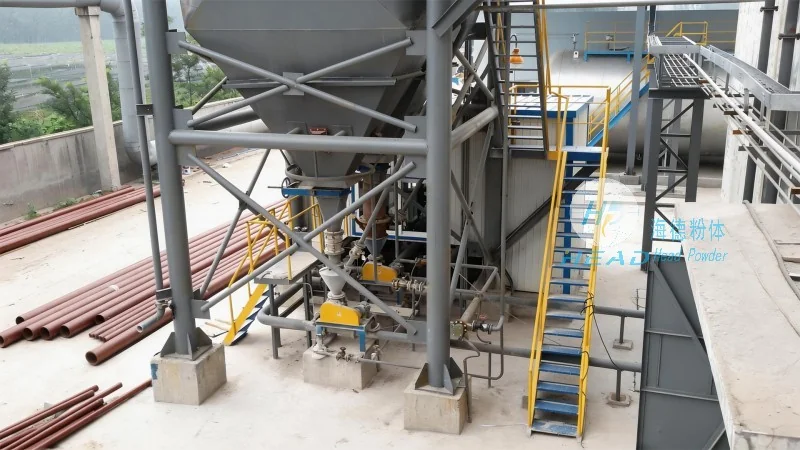
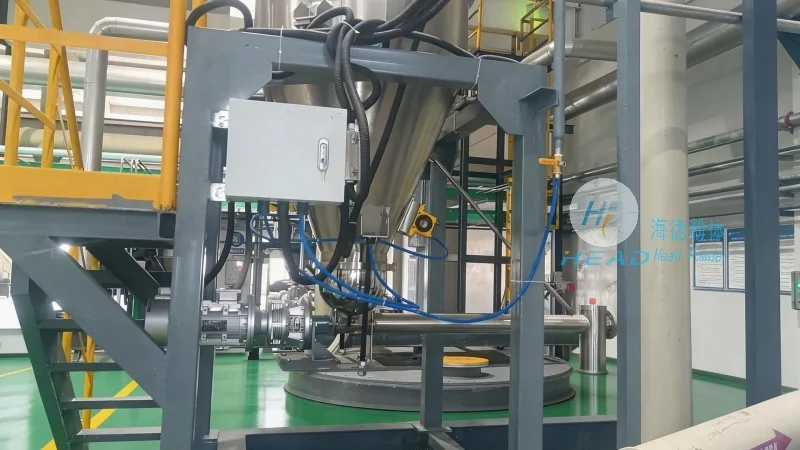
Understanding the Core Principles of Rapeseed Powder Conveying
The process of rapeseed powder conveying involves the movement of fine rapeseed particles from one location to another, typically within processing facilities or storage areas. The primary goal is to achieve reliable, efficient, and safe transfer of the material while minimizing product degradation and operational costs. Several key principles underpin effective rapeseed powder conveying systems:
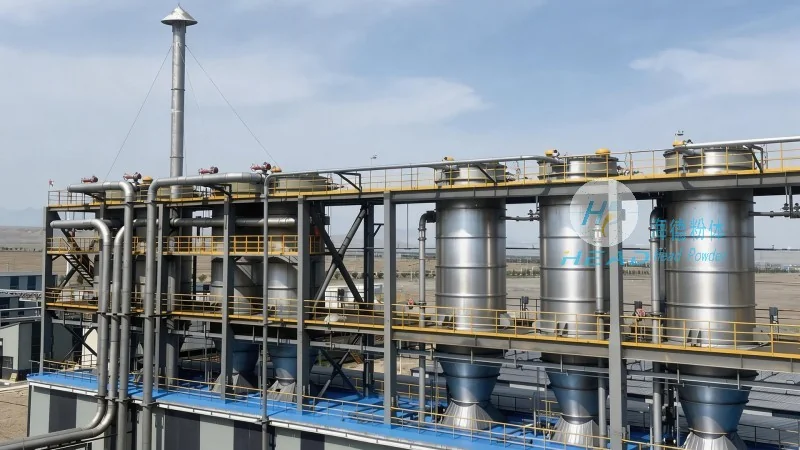
- Material Properties Consideration: Rapeseed powder, with its specific particle size distribution, bulk density, and moisture content, requires specialized handling techniques. The conveying system must account for these properties to prevent issues such as clogging, segregation, or agglomeration, which can compromise the quality of the final product.
- Energy Efficiency: Modern conveying solutions prioritize energy efficiency to reduce operational expenses. This involves optimizing air flow rates, pressure differentials, and system design to minimize power consumption without sacrificing performance.
- System Integration: A well-designed conveying system integrates seamlessly with other processing equipment, such as crushers, separators, and storage silos. This integration ensures smooth material flow and enhances overall plant productivity.
Key Working Scene Characteristics of Rapeseed Powder Conveying Systems
The application of rapeseed powder conveying systems varies across different industrial environments, each with distinct operational requirements and challenges. Understanding these characteristics is crucial for selecting the right equipment and ensuring optimal performance.
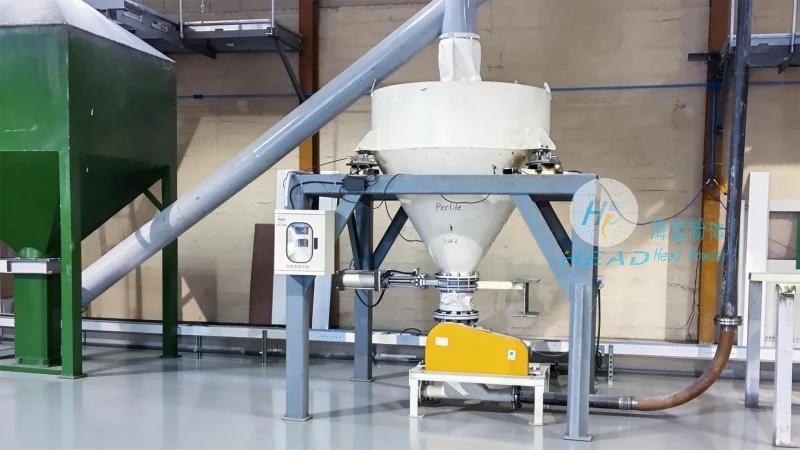
- Processing Facilities: In rapeseed oil extraction plants, conveying systems are essential for transporting raw rapeseed, intermediate products like meal, and final byproducts. The systems must handle high volumes of material while maintaining hygiene standards to meet food industry regulations.
- Storage and Handling: For bulk storage operations, conveying systems facilitate the movement of rapeseed powder from storage silos to processing lines or shipping containers. This ensures consistent supply and reduces the risk of material spoilage due to prolonged exposure to ambient conditions.
- Industrial Automation: In automated processing lines, conveyor systems often integrate with sensors and control systems to monitor flow rates, detect blockages, and adjust operational parameters in real-time. This automation enhances safety and operational reliability.
HeadPowder's Expertise in Rapeseed Powder Conveying Solutions
Shandong HeadPowder Engineering Co., Ltd. leverages decades of experience in engineering and material handling to provide customized rapeseed powder conveying solutions. Our team of experts designs systems that align with the unique characteristics of rapeseed powder, ensuring efficient and reliable operation in diverse industrial applications. Based in Shandong, China, we serve clients globally, delivering tailored solutions that meet their specific processing needs.