

Principles and Working Scene Characteristics of Wood Chip Powder Conveying
Wood chip powder conveying is a critical process in various industrial applications, particularly in the forestry and pulp and paper industries. The technology involves the movement of wood chips, which are processed into fine powder or granules, from one location to another. Understanding the underlying principles and the specific characteristics of different working scenes is essential for optimizing efficiency and ensuring safe operation in such systems.
Principles of Wood Chip Powder Conveying
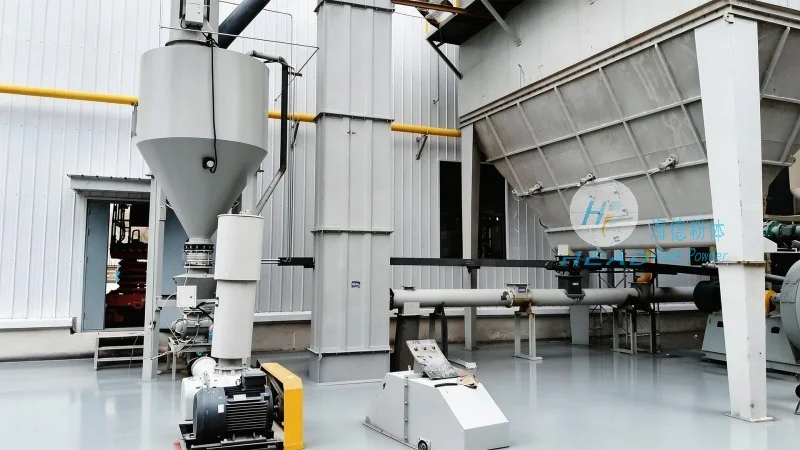
The core principle of wood chip powder conveying revolves around the use of pneumatic or mechanical systems to transport the material. Pneumatic conveying systems utilize air pressure to move the powder through a pipeline, while mechanical systems employ screws, belts, or other mechanisms to push the material along. For wood chips, which can be abrasive and have varying moisture content, the choice of conveying method depends on factors such as particle size, flow rate, and the distance to be covered. The efficiency of the conveying process is directly linked to the design of the system, including the type of equipment, pipeline layout, and control mechanisms.
Key Components and Their Functions
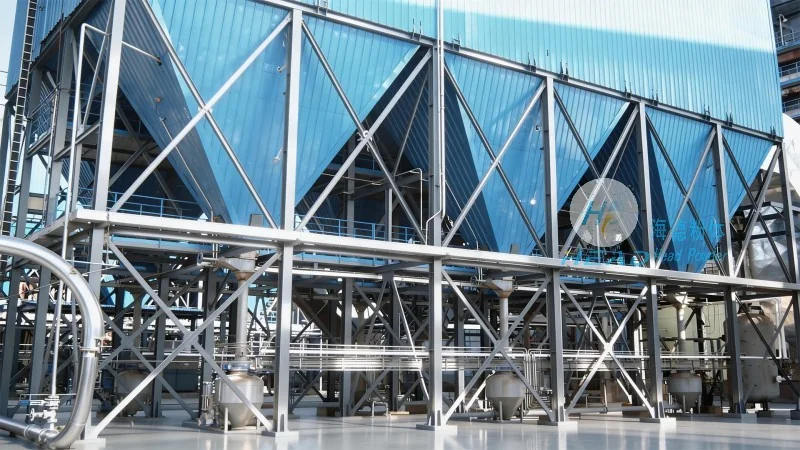
Several key components are integral to a wood chip powder conveying system. The feed hopper is responsible for storing and feeding the wood chips into the system. It must be designed to handle the bulk material and prevent blockages. The conveyor itself, whether pneumatic or mechanical, is the primary component that transports the material. In pneumatic systems, the air compressor generates the necessary pressure to move the powder, while the pipeline network ensures the material is directed to the destination. For mechanical systems, the screw or belt conveyor provides the force to move the chips. The control system, which includes sensors and valves, regulates the flow rate and pressure, ensuring consistent and safe operation. Additionally, dust collection and filtration systems are crucial to maintain air quality and comply with environmental regulations.
Working Scene Characteristics
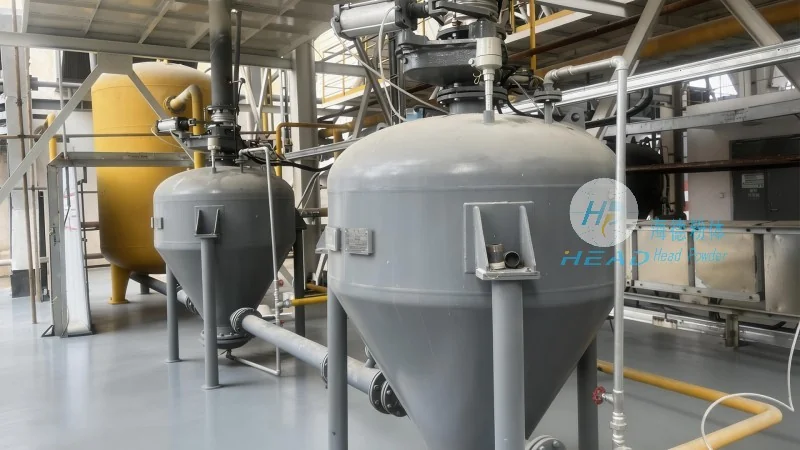
The characteristics of the working scene significantly influence the design and performance of the wood chip powder conveying system. In industrial settings, such as sawmills or pulp and paper plants, the system must handle large volumes of wood chips with high throughput rates. The environment is often dusty and requires robust equipment that can withstand the abrasive nature of the material. The distance between the source and destination points also plays a role; longer distances may necessitate more powerful compressors or larger diameter pipelines to maintain the flow. Another important factor is the moisture content of the wood chips, as higher moisture levels can affect the flow characteristics and increase the risk of clogging. The system must be adaptable to these variations to ensure reliable operation.
Applications and Industry Impact
Wood chip powder conveying is widely used in the production of wood-based panels, such as particleboard and MDF, as well as in the pulp and paper industry. In these applications, the consistent supply of wood chips to processing units is critical for maintaining production efficiency. The ability to transport the material efficiently reduces downtime and lowers operational costs. For example, in a sawmill, the conveying system must deliver wood chips from the debarking and chipping stages to the drying or pelletizing units. The smooth operation of this system directly impacts the overall productivity of the facility. Additionally, the technology supports sustainable practices by enabling the efficient use of wood waste, contributing to the circular economy in the forestry sector.
Challenges and Solutions
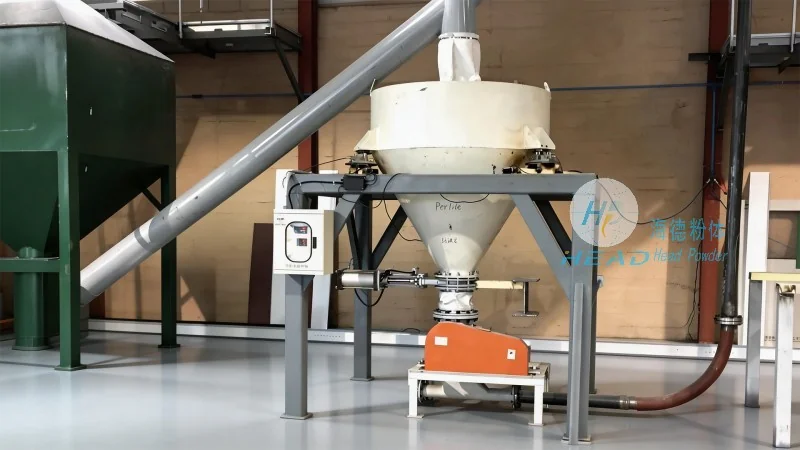
Despite its efficiency, wood chip powder conveying faces several challenges. One common issue is clogging, which can occur due to the accumulation of fine particles or moisture. To address this, systems often include cleaning mechanisms, such as reverse airflow or mechanical scrapers, to maintain the pipeline's integrity. Another challenge is the maintenance of the equipment, as the abrasive nature of wood chips can wear down components over time. Regular inspection and replacement of parts, such as conveyor belts or pipeline liners, are necessary to ensure long-term operation. Additionally, energy consumption is a consideration, especially in large-scale systems. Optimizing the system design, such as using variable speed drives, can help reduce energy use while maintaining performance.