With more than 10‑year industry experience, Shandong Headpowder delivers full‑service pneumatic‑conveying systems and blowers, undertaking nationwide turn‑key powder‑handling projects.
HeadPowder, a leading manufacturer based in Shandong, China, specializes in the design and production of pneumatic conveying systems tailored for dry sand materials. This article delves into the fundamental working principles and key characteristics of such equipment, providing a comprehensive overview for industry professionals and potential clients.
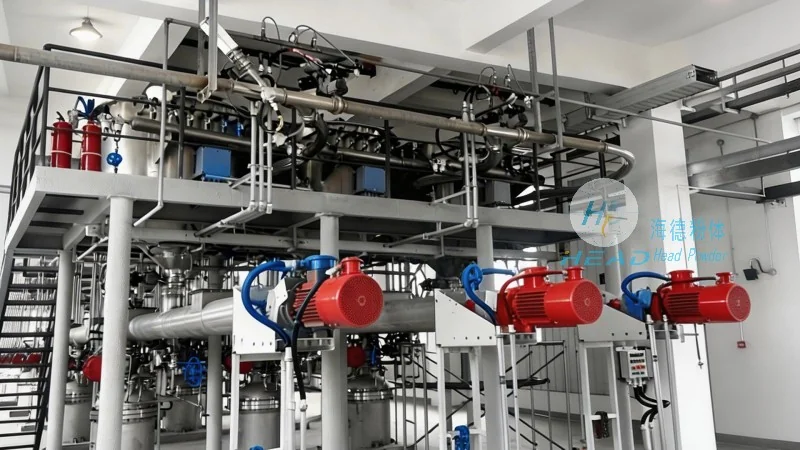
Pneumatic conveying, also known as air conveying, is a method of transporting bulk materials like dry sand through a pipeline using a flow of air. The core working principle involves creating a pressure differential within the system to move the material. There are two primary types of pneumatic conveying systems: suction (or vacuum) systems and pressure systems. Suction systems operate by creating a negative pressure in the pipeline, drawing the material from a source, such as a hopper or silo, into the conveying line. In contrast, pressure systems generate positive pressure by forcing air and material through the pipeline from a central source, like a blower or compressor.
For dry sand applications, the choice of system depends on factors like the distance to be covered, the volume of material, and the need for dust control. Suction systems are often preferred for short to medium distances and when the material is light and free-flowing, as they are less likely to cause blockages. Pressure systems, on the other hand, are suitable for longer distances and higher material loads, offering greater control over the conveying process.
A critical component in pneumatic conveying systems is the air compressor or blower, which provides the necessary air pressure to move the material. The selection of the right compressor depends on the system's capacity and the specific characteristics of the dry sand, such as particle size and moisture content. Efficient air compression ensures consistent material flow and minimizes energy consumption.
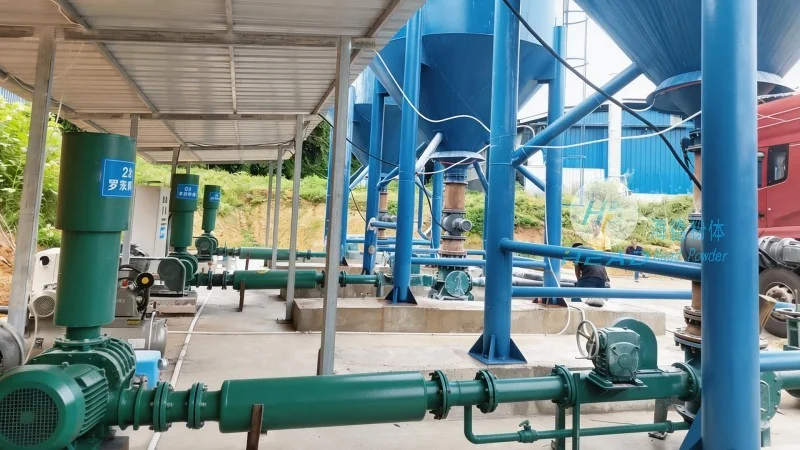
Another essential element is the hopper or feeder, which feeds the dry sand into the conveying line. The design of the hopper is crucial to prevent material bridging and ensure a steady flow. For dry sand, which can be prone to caking or clumping, anti-caking measures, such as vibrators or agitators, may be integrated into the hopper to maintain material flow.
The pipeline itself is typically made of stainless steel or other corrosion-resistant materials, especially when dealing with dry sand that may contain abrasive particles. Proper pipeline design, including appropriate bends and elbows, is vital to minimize pressure loss and prevent material deposition. The use of smooth, non-porous surfaces reduces friction and ensures the material moves smoothly through the system.
At HeadPowder, we understand that the performance of a pneumatic conveying system is directly linked to its ability to handle dry sand efficiently. Our equipment is engineered with precision to address the unique challenges of dry sand, such as its light weight and potential for dust generation. We incorporate advanced features like adjustable air flow control, which allows operators to optimize the conveying process based on material conditions and system requirements.
Key features of our pneumatic conveying equipment for dry sand include high efficiency, low maintenance, and environmental friendliness. Unlike traditional mechanical conveyors, which may cause material degradation or generate excessive noise, pneumatic systems operate quietly and do not require physical contact with the material, preserving its quality. Additionally, they are highly effective in controlling dust, which is a significant concern in dry sand handling applications.
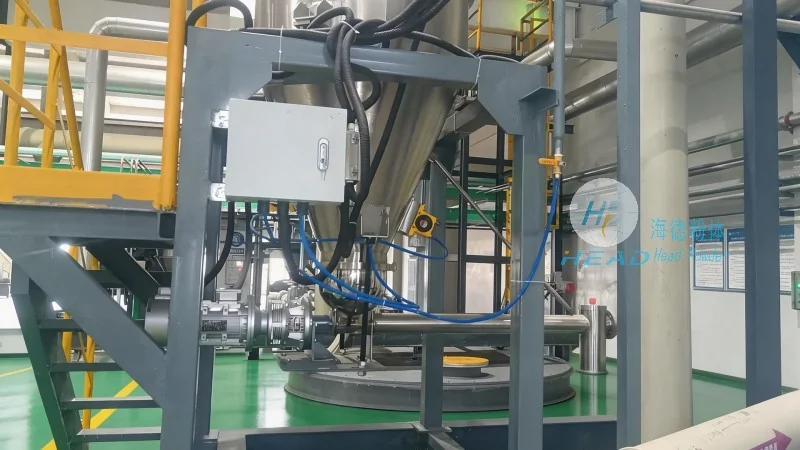
Another advantage is the flexibility of pneumatic conveying systems. They can be easily integrated into existing production lines and adapted to changing operational needs. The ability to transport dry sand from multiple sources to various destinations without the need for intermediate storage or transfer points streamlines the overall process. This flexibility makes our equipment a cost-effective solution for businesses dealing with dry sand.
HeadPowder's commitment to quality and innovation is reflected in the robust design and reliable performance of our pneumatic conveying systems. Our team of engineers and technicians works closely with clients to understand their specific dry sand handling requirements and develop customized solutions that meet their operational and budgetary constraints. By leveraging our expertise in material handling and pneumatic technology, we provide systems that deliver consistent, efficient, and sustainable performance.
In conclusion, pneumatic conveying equipment for dry sand materials operates on principles of air pressure and flow to transport material efficiently and effectively. The key features, including high efficiency, low maintenance, and environmental benefits, make it an ideal choice for industries dealing with dry sand. With HeadPowder's expertise and tailored solutions, businesses can enhance their material handling processes and achieve greater operational efficiency.

 Shandong Headpowder Engineering Co., Ltd.
 156-6277-7102(Manager Zhang)
  0531-83386006
  Zhangqiu District, Jinan City, Shandong Province, China
telephone
WeChatconsult
top