With more than 10‑year industry experience, Shandong Headpowder delivers full‑service pneumatic‑conveying systems and blowers, undertaking nationwide turn‑key powder‑handling projects.
In the agricultural processing sector, efficient material handling is paramount for optimizing production workflows. The soybean material pneumatic conveying line represents a sophisticated technology designed to transport bulk soybean products with precision and reliability. This article delves into the working principle and key characteristics of such systems, illustrating how they enhance operational efficiency in soybean processing facilities.
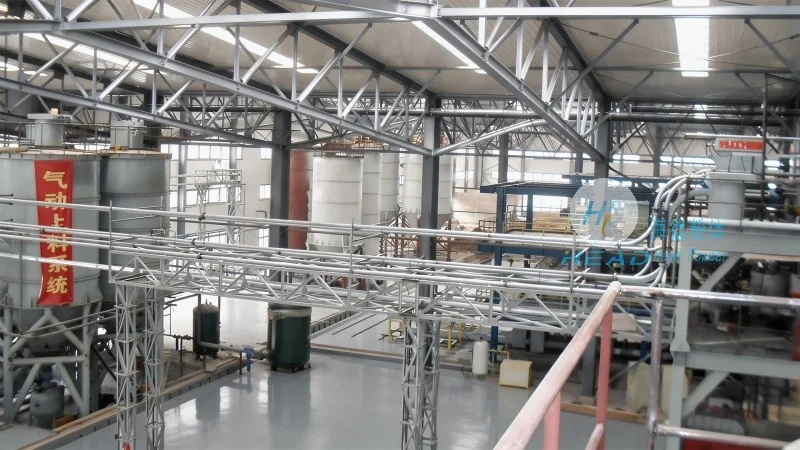
The fundamental operation of a soybean material pneumatic conveying line revolves around the use of air pressure to move bulk materials. The system typically comprises several integral components: a material hopper for storage, a network of conveyor pipes, a fan or blower to generate airflow, and a control system to regulate the process. When soybean material is introduced into the hopper, the fan creates a low-pressure zone within the conveyor pipe. This negative pressure draws the material into the pipe, where it is carried along by the airflow to the designated endpoint, such as a storage silo or processing unit.
A critical factor in the working principle is the air-to-material ratio, which dictates the system's efficiency and capacity. Properly balancing this ratio ensures material is conveyed without excessive pressure loss or product degradation. The system may also include cyclone separators or filters to separate material from the air at the discharge point, enabling clean material release and air recycling.
Modern soybean material pneumatic conveying lines are equipped with advanced features that enhance performance and durability. These features include:
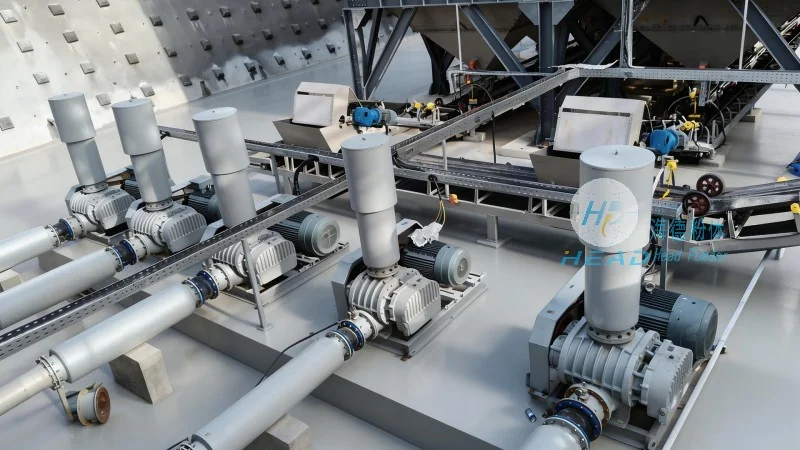
1. High Efficiency and Low Energy Consumption: Advanced fan designs and optimized pipe layouts minimize energy usage while maintaining high conveying rates. This is particularly vital for large-scale soybean processing operations where operational costs significantly impact profitability.
2. Gentle Material Handling: The pneumatic conveying process is renowned for its gentle treatment of soybean products, reducing the risk of product damage or breakage. This is essential for preserving the quality of the final product, especially when processing delicate or high-value soybean varieties.
3. Versatility in Conveying Distance and Height: These systems can be configured to handle various conveying distances and vertical lifts, making them suitable for diverse plant layouts and operational needs. The modular design allows for easy expansion or reconfiguration as production requirements evolve.
4. Advanced Control and Monitoring: Modern systems feature intelligent control panels and sensors that provide real-time monitoring of pressure, airflow, and material flow. This enables operators to promptly identify and address issues, ensuring consistent performance and minimizing downtime.
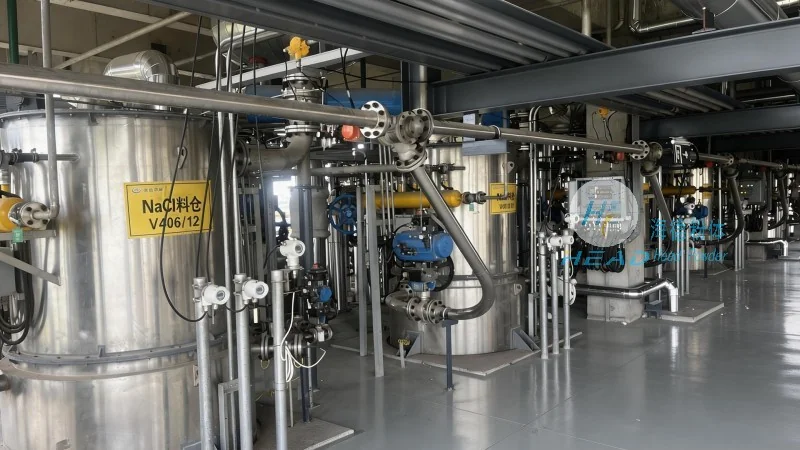
5. Durable and Low-Maintenance Components: High-quality materials and robust construction are used in components like the hopper, conveyor pipes, and fan to ensure long service life and minimal maintenance requirements. This reduces operational costs and extends the system's lifespan.
Soybean material pneumatic conveying lines are widely utilized in various stages of soybean processing, including raw material handling, storage, and transportation to processing units. The benefits of employing such systems include improved productivity, reduced labor costs, and enhanced product quality. By efficiently moving soybean material through the production line, these systems help manufacturers maintain a smooth workflow and meet production targets.
Furthermore, the ability to handle large volumes of material with minimal human intervention contributes to overall operational efficiency. This is especially valuable in large-scale soybean processing facilities where consistent and reliable material handling is critical for success.

 Shandong Headpowder Engineering Co., Ltd.
 156-6277-7102(Manager Zhang)
  0531-83386006
  Zhangqiu District, Jinan City, Shandong Province, China
telephone
WeChatconsult
top