With more than 10‑year industry experience, Shandong Headpowder delivers full‑service pneumatic‑conveying systems and blowers, undertaking nationwide turn‑key powder‑handling projects.
Magnesia, a key refractory material widely used in the steel, cement, and glass industries, often requires efficient and reliable handling during production processes. Traditional material handling methods, such as belt conveyors or bucket elevators, may face challenges with dust, material degradation, or space constraints. Pneumatic conveying systems offer a solution by transporting magnesia powders and granules through a pressurized or vacuum air stream, providing a dust-free, low-maintenance alternative for industrial applications.
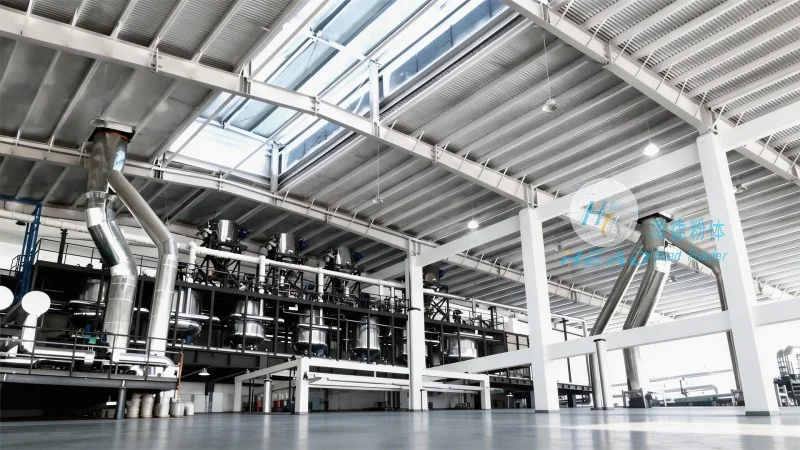
The core of a magnesia material pneumatic conveying system is the air flow mechanism that propels the material. The system typically consists of a hopper, a feeder, a conveying line, and a receiver. The process begins with the magnesia material being fed into the hopper. A feeder then controls the flow rate, ensuring a consistent supply of material into the conveying line. The conveying line, often made of stainless steel or other corrosion-resistant materials, is connected to a blower or vacuum pump that generates the necessary air pressure or vacuum. As the air flows through the line, it entrains the magnesia particles, transporting them to the receiver. The receiver is designed to separate the material from the air, allowing the magnesia to be discharged and the air to be filtered or recycled. This closed-loop system minimizes material loss and environmental impact, making it suitable for handling fine or abrasive magnesia powders.
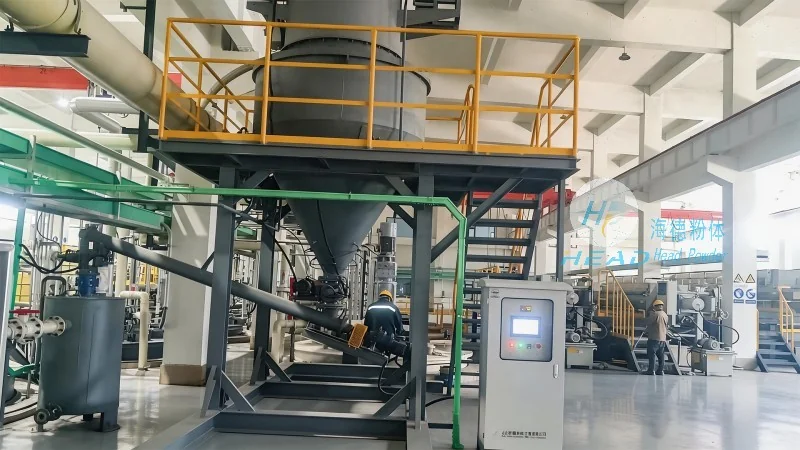
Headpowder, as a leading manufacturer of industrial material handling solutions, offers pneumatic conveying equipment tailored to the unique characteristics of magnesia materials. The equipment is designed with several key features that enhance performance and reliability. First, the system is equipped with advanced air filtration and recycling capabilities, ensuring minimal air loss and compliance with environmental regulations. This is particularly important for magnesia, which can be fine and potentially hazardous if not handled properly. Second, the conveying lines and components are constructed from high-quality, corrosion-resistant materials, such as stainless steel or special alloys, to withstand the abrasive nature of magnesia particles and prevent material buildup or clogging. Third, the equipment incorporates intelligent control systems that monitor flow rates, pressure, and temperature in real-time, allowing for automatic adjustments and preventing system failures. This automation not only improves efficiency but also reduces labor costs and maintenance requirements. Additionally, the design of the equipment allows for easy cleaning and maintenance, with removable components that can be replaced or serviced quickly, minimizing downtime for industrial operations.
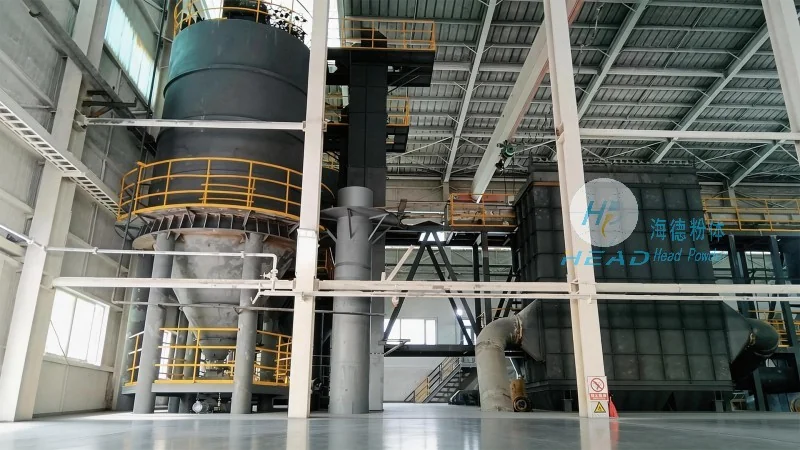
Magnesia material pneumatic conveying equipment is widely used in various industrial applications where efficient and safe handling of refractory materials is critical. In steel mills, for example, the equipment is used to transport magnesia powders for the production of refractory bricks and linings, ensuring consistent quality and reducing material waste. In cement plants, it helps in the handling of magnesia additives, improving the uniformity of cement production and enhancing product performance. The benefits of using pneumatic conveying systems for magnesia materials are significant. Compared to traditional methods, pneumatic systems offer higher material throughput, lower energy consumption, and reduced labor costs. They also provide a dust-free environment, improving workplace safety and reducing the risk of respiratory issues associated with handling fine powders. Furthermore, the closed-loop design minimizes material loss, which is economically beneficial for industrial operations that rely on magnesia as a key raw material.
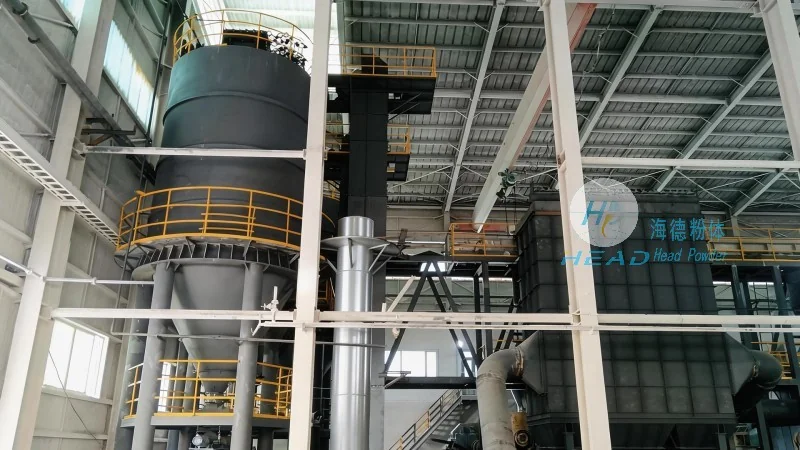
Shandong HeadPowder Engineering Co., Ltd., operating under the brand name Headpowder, is a professional manufacturer and supplier of industrial material handling equipment. With years of experience in the industry, Headpowder specializes in designing and producing pneumatic conveying systems tailored to the specific needs of various industries, including refractory, cement, and glass. The company is committed to providing high-quality, reliable equipment that meets international standards and customer requirements. Headpowder's products are known for their durability, efficiency, and user-friendly design, making them a preferred choice for industrial applications worldwide. The company's headquarters is located in Shandong, China, where it has a team of experienced engineers and technicians dedicated to research, development, and customer support. Headpowder's mission is to deliver innovative and sustainable material handling solutions that enhance productivity and safety in industrial operations.

 Shandong Headpowder Engineering Co., Ltd.
 156-6277-7102(Manager Zhang)
  0531-83386006
  Zhangqiu District, Jinan City, Shandong Province, China
telephone
WeChatconsult
top