With more than 10‑year industry experience, Shandong Headpowder delivers full‑service pneumatic‑conveying systems and blowers, undertaking nationwide turn‑key powder‑handling projects.
For industrial applications involving the handling of titanium dioxide powder, efficient and reliable material transport is crucial. Pneumatic conveying systems offer a solution that combines precision, safety, and versatility. This article explores the working principle and key features of such systems, focusing on their application in the titanium dioxide industry.
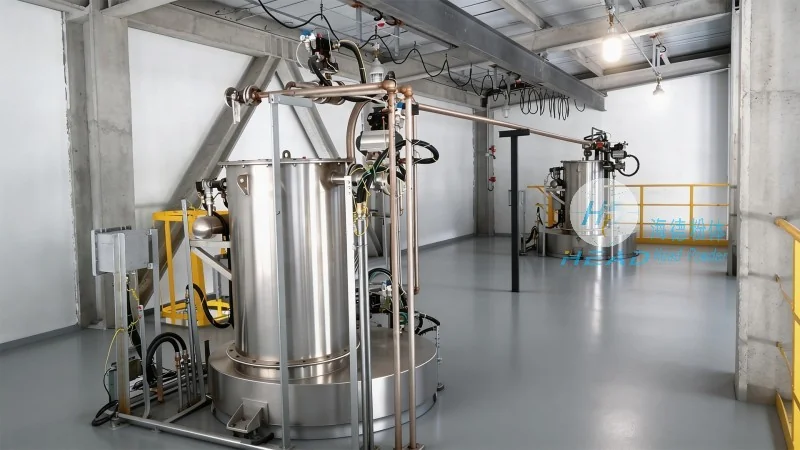
HeadPowder, a leading manufacturer in the field of powder handling equipment, specializes in designing and supplying advanced pneumatic conveying solutions. With a strong commitment to quality and innovation, the company has established itself as a trusted partner for businesses requiring high-performance material transport systems. HeadPowder's expertise lies in tailoring systems to meet specific operational needs, ensuring optimal performance and durability in demanding industrial environments.
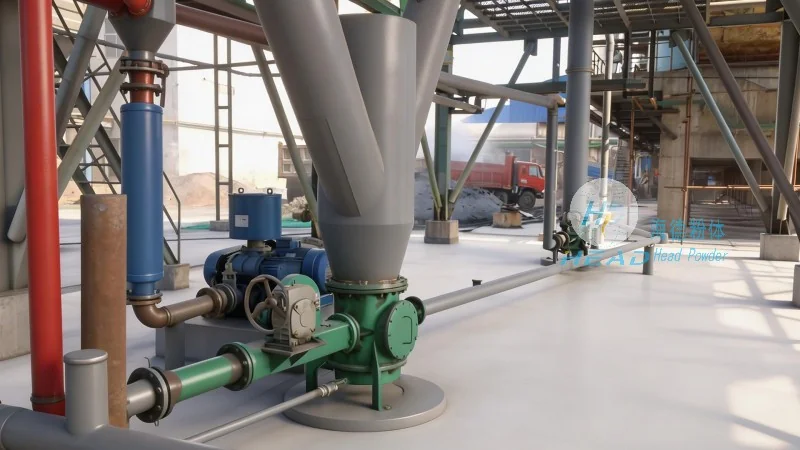
The core of a pneumatic conveying system is the method of transporting powder through a pipeline using air or gas as the conveying medium. In the case of titanium dioxide powder, which is typically fine and abrasive, the system operates by creating a flow of air that draws the powder particles into the pipeline. The process begins with the powder being fed into a hopper or feeder, where it is then introduced into the conveying line. As air is introduced, it creates a negative pressure or positive pressure environment, depending on the system design, to move the powder through the pipeline. The air-powder mixture travels through the system, passing through various components such as bends, filters, and control valves, before being discharged at the destination point. The entire process is controlled by a system of sensors and controls that monitor pressure, flow, and particle size to ensure consistent and efficient transport.
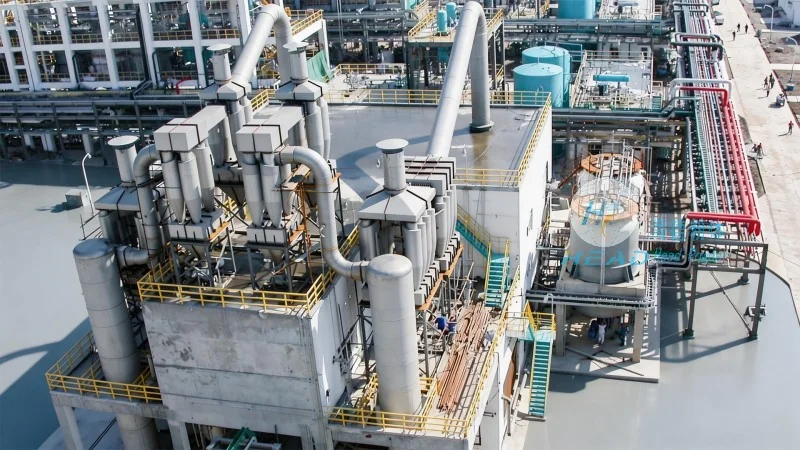
Several key features distinguish effective pneumatic conveying systems for titanium dioxide powder. First, the system's design must accommodate the specific properties of titanium dioxide, including its fine particle size and potential for agglomeration. Advanced materials and coatings are used to prevent wear and corrosion, ensuring long-term reliability. Second, the system incorporates high-efficiency filtration to maintain powder quality and prevent contamination. This is critical in applications where the powder is used in sensitive processes, such as coatings or pigments. Third, the system offers flexibility in terms of layout and integration with existing facilities. It can be customized to fit various plant configurations, allowing for seamless integration into production lines. Additionally, the system provides energy efficiency through optimized air flow and pressure control, reducing operational costs while maintaining performance. Finally, the system is equipped with safety features to protect operators and equipment, including pressure relief valves and emergency shut-off mechanisms.
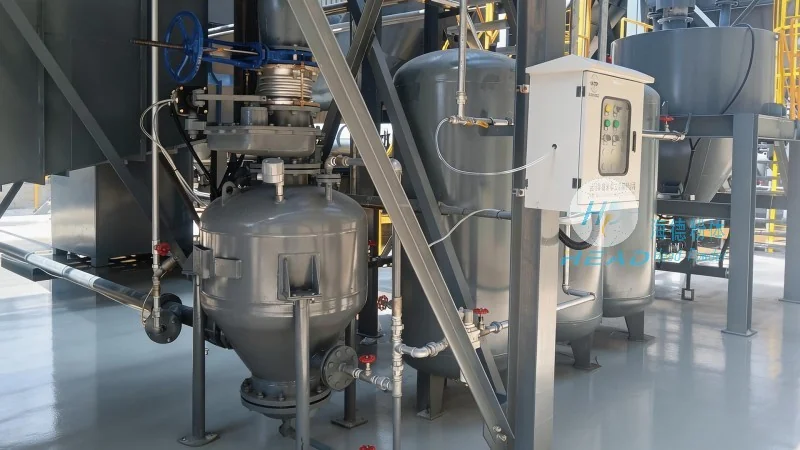
Titanium dioxide powder pneumatic conveying systems are widely used in the production and processing of titanium dioxide, a critical pigment and additive in various industries. The systems enable smooth and continuous material transport from storage silos to processing units, such as grinding mills or mixing equipment. This reduces downtime and improves overall production efficiency. The benefits of using pneumatic conveying include improved safety by eliminating manual handling of powders, reduced risk of dust explosions through proper air management, and enhanced product quality by minimizing contamination and particle degradation. Furthermore, the systems contribute to environmental sustainability by containing dust emissions and reducing waste. By leveraging the expertise of companies like Shandong HeadPowder Engineering Co., Ltd., industries can achieve optimized material handling solutions that meet their specific requirements and regulatory standards.

 Shandong Headpowder Engineering Co., Ltd.
 156-6277-7102(Manager Zhang)
  0531-83386006
  Zhangqiu District, Jinan City, Shandong Province, China
telephone
WeChatconsult
top