With more than 10‑year industry experience, Shandong Headpowder delivers full‑service pneumatic‑conveying systems and blowers, undertaking nationwide turn‑key powder‑handling projects.
HeadPowder, a leading manufacturer based in Shandong, China, specializes in the design and production of advanced material handling equipment tailored for glass fiber cellulose applications. This article provides an in-depth look at the working principles and key features of such equipment, highlighting how it enhances operational efficiency and reliability in industrial settings.
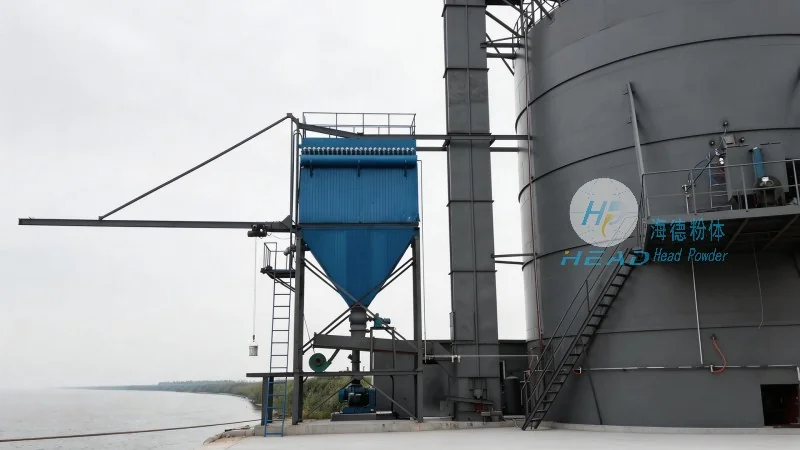
The core working principle of glass fiber cellulose material handling equipment revolves around the efficient transport of fine, fibrous materials. These systems typically utilize a combination of mechanical components to ensure smooth and controlled movement. For instance, conveyor belts or screw conveyors are commonly employed to move the material from one location to another. The design often incorporates features that minimize material degradation, such as gentle handling mechanisms and appropriate speed controls. Additionally, the equipment may include feeding mechanisms that ensure a consistent flow of material, preventing blockages or uneven distribution. The overall goal is to maintain the integrity of the glass fiber cellulose while achieving high throughput rates.
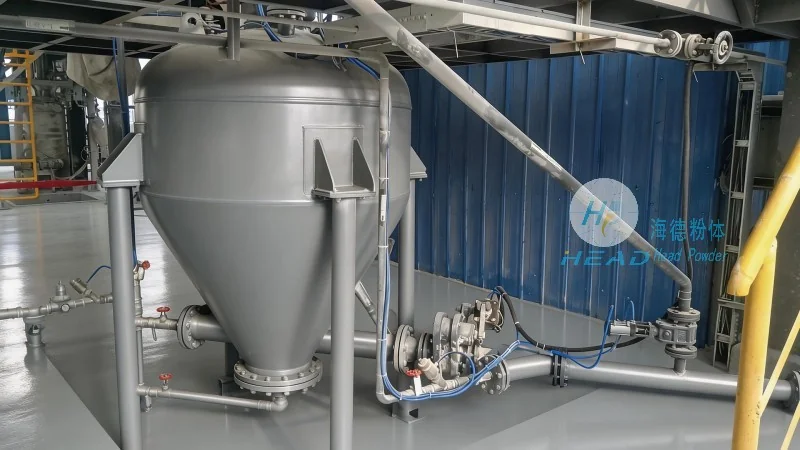
Several critical features distinguish high-quality glass fiber cellulose material handling equipment. Firstly, durability and resistance to wear are paramount due to the abrasive nature of the material. The equipment is constructed from robust materials, such as stainless steel or specialized alloys, to withstand continuous operation and minimize maintenance requirements. Secondly, precision control is essential for maintaining material quality. Advanced control systems, including variable speed drives and sensors, allow for real-time adjustments to the conveyor speed or feeding rate, ensuring consistent processing. Thirdly, safety features are integrated to protect both operators and the material. This may include emergency stop buttons, protective guards, and overload protection mechanisms. Furthermore, the equipment is designed for easy maintenance, with accessible components and modular designs that facilitate quick repairs and replacements. These features collectively contribute to improved performance, reduced downtime, and enhanced safety in industrial applications.
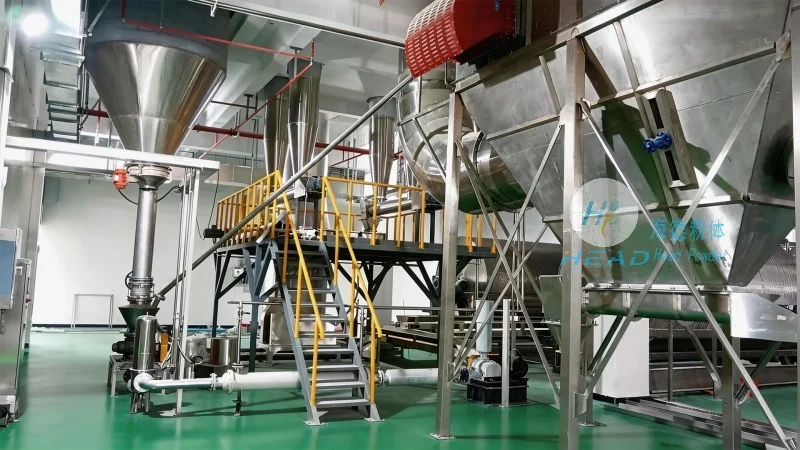
Glass fiber cellulose material handling equipment is widely used in various industries, including manufacturing, construction, and packaging. Its primary operational benefits include increased productivity through efficient material transport, reduced labor costs due to automated processes, and improved product quality by minimizing material damage. The equipment's adaptability allows it to handle different particle sizes and moisture levels, making it suitable for diverse applications. Additionally, the consistent flow of material ensures that downstream processes, such as mixing or processing, operate smoothly without interruptions. The integration of advanced technology in these systems also enables better monitoring and data collection, which can be used for process optimization and quality control. Overall, the equipment plays a vital role in streamlining operations and enhancing the overall efficiency of industrial workflows.
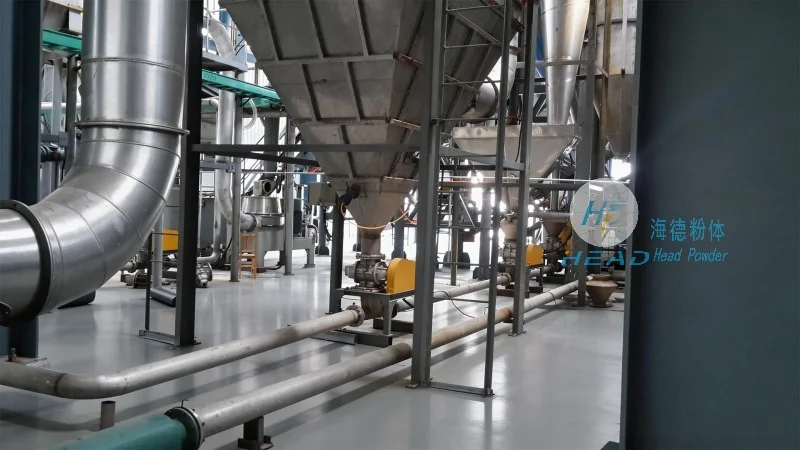
In conclusion, glass fiber cellulose material handling equipment from HeadPowder exemplifies advanced engineering designed to meet the demands of modern industrial applications. By understanding its working principles and key features, users can appreciate how these systems contribute to operational excellence. The combination of durability, precision control, and safety features ensures that the equipment not only enhances productivity but also maintains the quality of the glass fiber cellulose material. As a trusted manufacturer based in Shandong, China, HeadPowder continues to innovate and provide solutions that meet the evolving needs of industries worldwide.

 Shandong Headpowder Engineering Co., Ltd.
 156-6277-7102(Manager Zhang)
  0531-83386006
  Zhangqiu District, Jinan City, Shandong Province, China
telephone
WeChatconsult
top