With more than 10‑year industry experience, Shandong Headpowder delivers full‑service pneumatic‑conveying systems and blowers, undertaking nationwide turn‑key powder‑handling projects.
Understanding the working principles and characteristics of fertilizer granule material conveying systems is crucial for optimizing material handling processes in agricultural and industrial settings. These systems are designed to efficiently transport granular fertilizers, ensuring consistent flow, minimal material loss, and reliable operation under various conditions. The following sections delve into the technical aspects, operational features, and practical considerations of such conveying solutions.
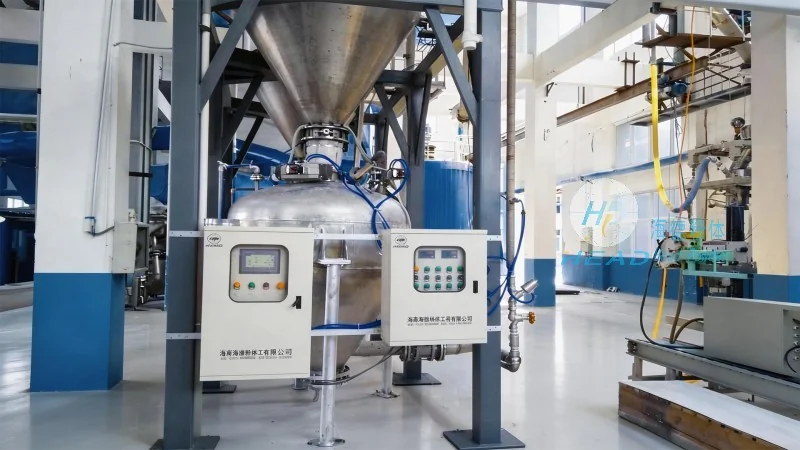
The core working principle of fertilizer granule material conveying involves the use of mechanical or pneumatic systems to move granular materials from one location to another. For mechanical systems, such as screw conveyors or belt conveyors, the process typically begins with the material being fed into the conveyor inlet. As the conveyor rotates or moves, the granules are propelled forward through the system. Pneumatic conveying systems, on the other hand, utilize air pressure to transport the granules in a pipeline, often employing positive or negative pressure methods to ensure smooth movement. The choice of system depends on factors like material characteristics, distance, and environmental requirements.
Key characteristics of fertilizer granule material conveying equipment include high efficiency, low maintenance, and adaptability to various granule sizes and densities. These systems are engineered to handle abrasive materials without excessive wear, ensuring long service life. Additionally, modern conveying solutions often incorporate advanced control systems that allow for real-time monitoring and adjustment of flow rates, enhancing operational flexibility. The design also prioritizes safety, with features like dust suppression and material containment to minimize environmental impact and ensure worker safety.
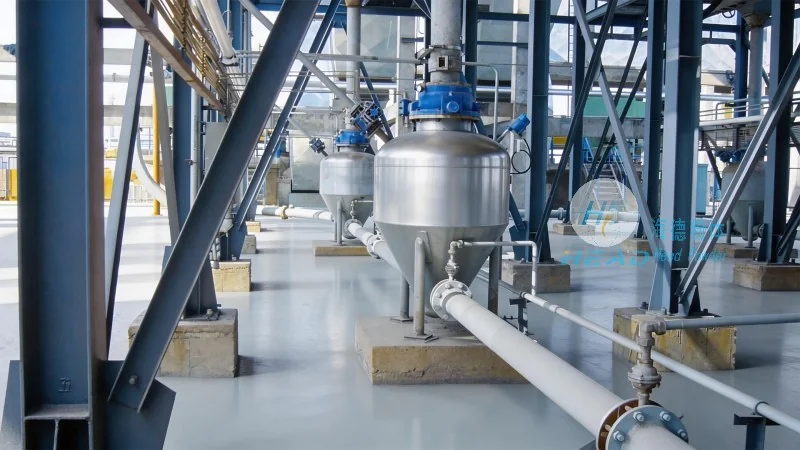
Fertilizer granule conveying systems are widely used in fertilizer production facilities, storage yards, and distribution centers. They enable seamless integration between different processing stages, such as granulation, drying, and packaging. The operational advantages include reduced labor costs, minimized material handling time, and improved overall productivity. By automating the conveying process, these systems also enhance consistency in material delivery, which is critical for maintaining product quality and meeting customer demands.
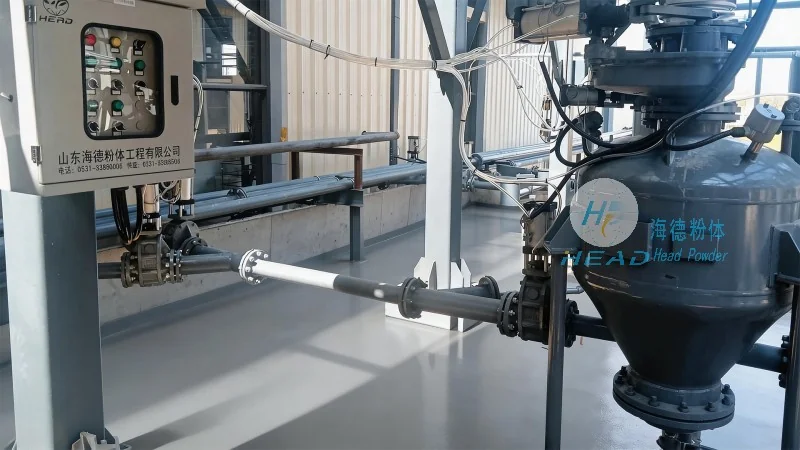
Technical specifications for fertilizer granule conveying equipment vary based on the system type and application. For example, screw conveyors may have different pitch and diameter configurations to accommodate varying granule sizes, while pneumatic systems may use different air pressure ranges and pipeline diameters. Performance indicators include conveying capacity (measured in tons per hour), power consumption, and material retention time. These parameters are crucial for selecting the appropriate system for specific operational needs, ensuring optimal performance and cost-effectiveness.
Maintaining fertilizer granule conveying systems requires regular inspection and proper maintenance procedures. Routine checks should include monitoring for wear and tear on conveyor components, ensuring proper lubrication of moving parts, and cleaning the system to prevent material buildup. Operational tips include starting the system with minimal load to avoid strain on components, and adjusting flow rates according to material characteristics to prevent blockages or excessive wear. Proper training for operators is also essential to ensure safe and efficient operation, minimizing downtime and maximizing system longevity.

 Shandong Headpowder Engineering Co., Ltd.
 156-6277-7102(Manager Zhang)
  0531-83386006
  Zhangqiu District, Jinan City, Shandong Province, China
telephone
WeChatconsult
top