With more than 10‑year industry experience, Shandong Headpowder delivers full‑service pneumatic‑conveying systems and blowers, undertaking nationwide turn‑key powder‑handling projects.
Shandong HeadPowder Engineering Co., Ltd. specializes in designing and manufacturing advanced sodium bicarbonate pneumatic conveying system equipment. This system is a critical solution for efficiently handling sodium bicarbonate powder in various industrial applications. The equipment is engineered to ensure reliable and clean material transfer, making it a preferred choice for industries that demand high standards of product purity and operational efficiency.
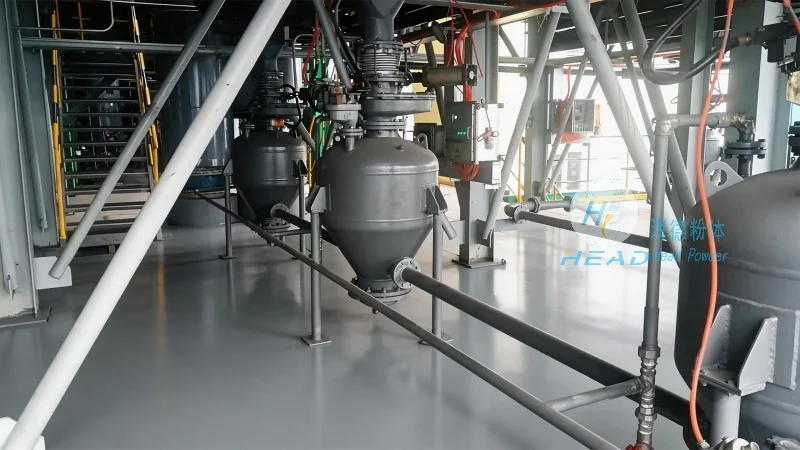
The core working principle of the sodium bicarbonate pneumatic conveying system involves the use of air as the conveying medium. The system typically consists of a material hopper, a rotary valve, a conveying line, and a receiver. When the system is activated, compressed air is introduced into the conveying line, creating a low-pressure zone that draws the sodium bicarbonate powder from the hopper. The rotary valve controls the flow of material into the line, ensuring a consistent feed rate. The air and powder mixture travels through the pipeline, and at the receiving end, a separator or cyclone separates the powder from the air, allowing the powder to be deposited in the designated container. This process is continuous and can be adjusted to handle varying material volumes and distances, making it suitable for both short and long-distance transportation.
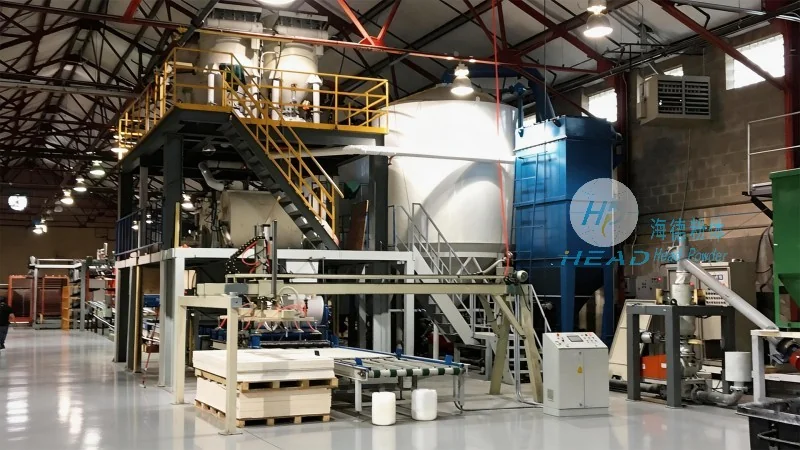
Several notable features distinguish the sodium bicarbonate pneumatic conveying system from other material handling methods. Firstly, it offers a dust-free and clean transfer process, which is crucial for maintaining product quality and adhering to environmental regulations. The system minimizes the risk of material contamination and reduces the need for additional cleaning steps, thereby improving operational efficiency. Secondly, the equipment is highly flexible and can be easily integrated into existing production lines. It can handle varying particle sizes and moisture content of sodium bicarbonate, adapting to different processing requirements. Thirdly, the system provides a compact design, requiring less floor space compared to traditional bulk handling methods. This makes it ideal for facilities with limited space. Additionally, the pneumatic conveying system offers energy efficiency, as it uses compressed air that can be recycled or reused, reducing operational costs over time. The system also ensures a uniform flow of material, preventing blockages and ensuring consistent product quality in downstream processes.
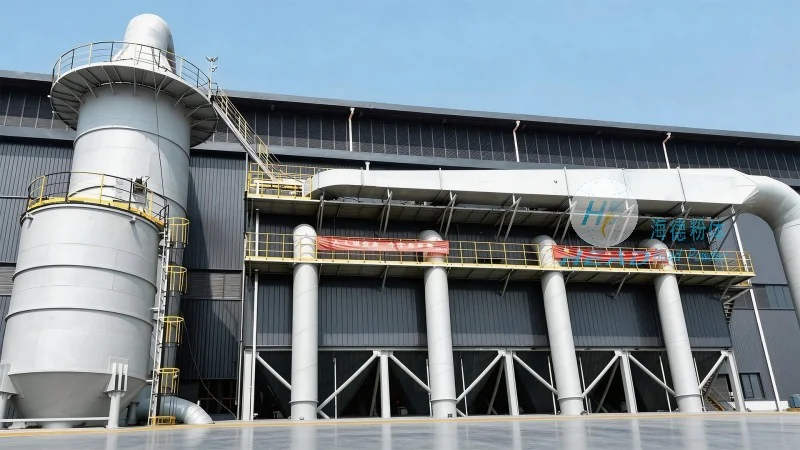
In industrial settings, the sodium bicarbonate pneumatic conveying system is particularly effective for transporting sodium bicarbonate in pharmaceutical, food, and chemical industries. For example, in pharmaceutical manufacturing, the system ensures that the sodium bicarbonate powder is transferred without any microbial contamination, maintaining the product's purity. In the food industry, the dust-free operation helps in meeting food safety standards, as there is no risk of cross-contamination with other materials. The system's ability to handle fine powders without agglomeration is also beneficial in chemical processing, where consistent particle size is critical for reaction efficiency. Performance-wise, the system can achieve high conveying rates, often ranging from 10 to 50 tons per hour, depending on the system configuration and the distance of material transport. The system's reliability is further enhanced by its simple maintenance requirements, as most components are easily accessible and can be replaced without extensive downtime. This ensures that the system operates continuously, minimizing production interruptions and maximizing overall productivity.

 Shandong Headpowder Engineering Co., Ltd.
 156-6277-7102(Manager Zhang)
  0531-83386006
  Zhangqiu District, Jinan City, Shandong Province, China
telephone
WeChatconsult
top