With more than 10‑year industry experience, Shandong Headpowder delivers full‑service pneumatic‑conveying systems and blowers, undertaking nationwide turn‑key powder‑handling projects.
For industries dealing with ceramic powders, efficient material handling is crucial to maintaining production efficiency and product quality. The pneumatic conveying system, particularly designed for ceramic powders, offers a reliable solution that addresses the unique challenges associated with handling fine, often abrasive, and potentially hygroscopic powders. This article explores the working principle and key features of such systems, highlighting how they enhance operational performance and contribute to sustainable manufacturing processes.
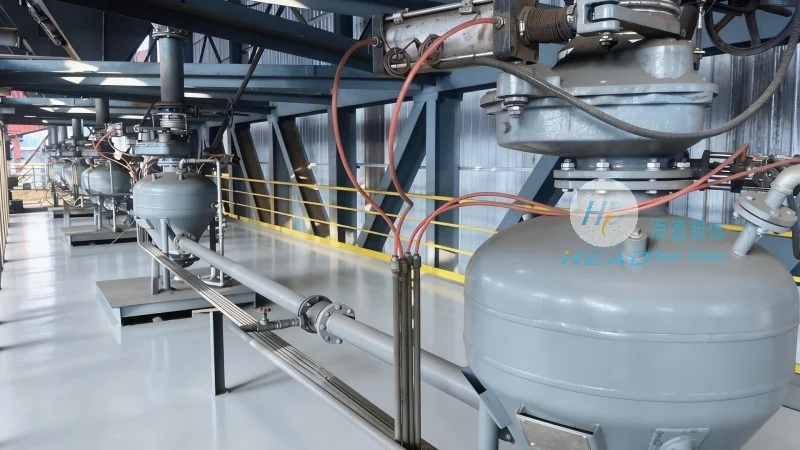
At the heart of advanced ceramic powder handling solutions is Shandong HeadPowder Engineering Co., Ltd., commonly known as HeadPowder. Based in Shandong, China, this company specializes in the design, manufacturing, and integration of pneumatic conveying systems tailored for the ceramic industry. With a focus on innovation and customer-centric solutions, HeadPowder leverages decades of experience to deliver systems that meet the stringent requirements of modern ceramic production lines.
The core of a ceramic powder pneumatic conveying system lies in its ability to transport powders through a pipeline using a gas stream, typically air or a mixture of air and inert gases. The system operates on the principle of creating a pressure differential between the inlet and outlet of the conveying line. In a typical setup, the ceramic powder is fed into a hopper or feeder, where it is then introduced into the pipeline as the gas stream flows. The gas, often under positive pressure, carries the powder particles along the pipeline, ensuring a continuous and controlled flow. The process involves several key components, including a feeder to control the material feed rate, a pipeline network to transport the material, and a separation or collection unit at the destination to recover the powder from the gas stream.
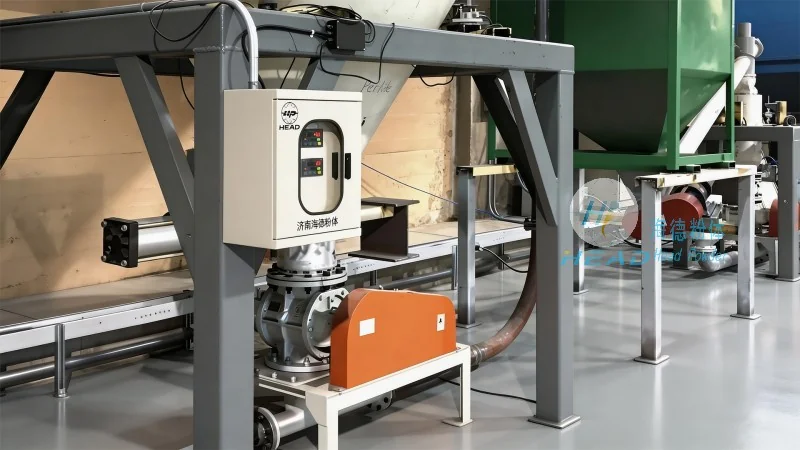
There are two primary types of pneumatic conveying systems used for ceramic powders: positive pressure and negative pressure systems. Positive pressure systems, as the name suggests, operate by blowing air into the pipeline, creating a pressure higher than the ambient air pressure. This method is effective for long-distance and high-capacity conveying, as it can maintain consistent flow rates and handle abrasive materials without causing excessive wear. Negative pressure systems, on the other hand, operate by drawing air and powder from the source and exhausting it through a filter. This approach is suitable for applications where dust control and environmental compliance are critical, as it prevents dust from escaping into the environment.
When evaluating pneumatic conveying systems for ceramic powders, several features stand out as critical to operational success. First, the system's ability to handle fine and cohesive powders without clogging or degradation is paramount. Advanced designs incorporate features such as pulse-jet or rotary feeders that ensure smooth material flow, even for powders with high moisture content or tendency to agglomerate. This prevents material buildup in the pipeline, which can lead to blockages and reduced efficiency.
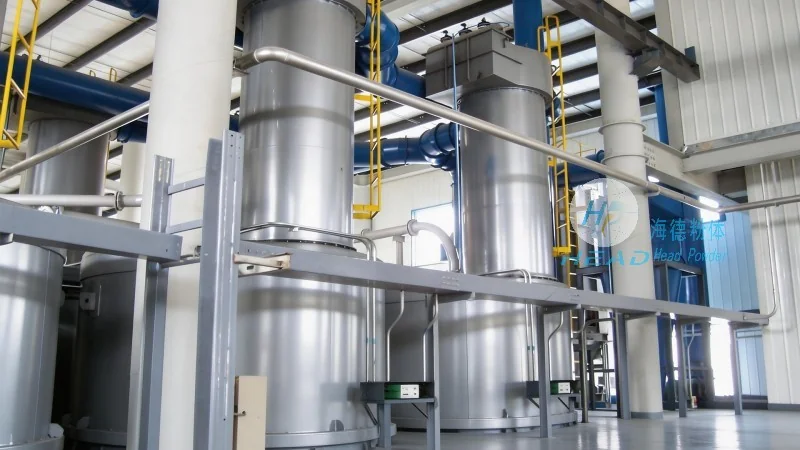
Second, the system's energy efficiency and environmental impact are significant considerations. Modern ceramic powder pneumatic conveying systems are engineered to minimize energy consumption while maximizing material throughput. By optimizing the air-to-material ratio and using efficient pipeline designs, these systems reduce operational costs and lower the carbon footprint of the production process. Additionally, the use of high-efficiency filters and dust collection systems ensures that emissions are minimized, aligning with environmental regulations and promoting a cleaner working environment.
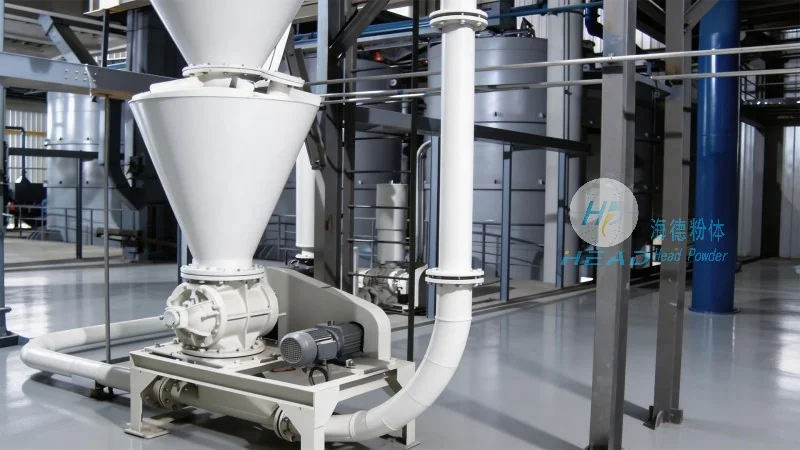
Third, the system's adaptability to different production requirements is a key advantage. Whether the application involves short-distance conveying within a factory or long-distance transport between facilities, the system can be customized to meet specific needs. This flexibility allows manufacturers to integrate the system seamlessly into existing production lines or expand operations without major overhauls. Furthermore, the modular design of many systems enables easy maintenance and component replacement, reducing downtime and ensuring continuous operation.
In conclusion, ceramic powder pneumatic conveying systems, as offered by companies like Shandong HeadPowder Engineering Co., Ltd., represent a sophisticated solution for the efficient and reliable handling of ceramic powders. By understanding the working principle—utilizing gas flow to transport material—and leveraging key features such as efficient feeding, dust control, and adaptability, these systems address the unique challenges of ceramic production. The result is enhanced productivity, reduced operational costs, and improved environmental performance, making them an essential component of modern ceramic manufacturing processes.

 Shandong Headpowder Engineering Co., Ltd.
 156-6277-7102(Manager Zhang)
  0531-83386006
  Zhangqiu District, Jinan City, Shandong Province, China
telephone
WeChatconsult
top