With more than 10‑year industry experience, Shandong Headpowder delivers full‑service pneumatic‑conveying systems and blowers, undertaking nationwide turn‑key powder‑handling projects.
Foam particle pneumatic conveying is a specialized material handling technology utilized by industries worldwide, particularly for the efficient and gentle transport of fine powders and granular materials. This method, developed and advanced by companies like Shandong HeadPowder Engineering Co., Ltd. (commonly known as HeadPowder), combines pneumatic conveying principles with foam generation to enhance performance. The process involves creating a stable foam medium that acts as a carrier for solid particles, offering significant advantages over traditional conveying methods.
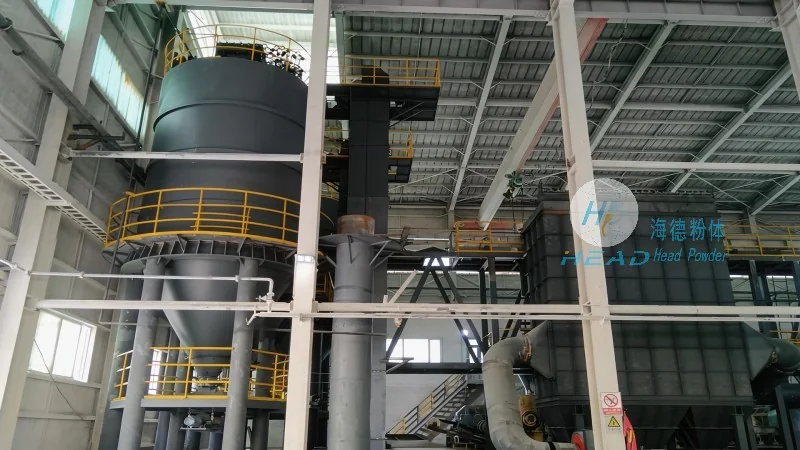
The core mechanism of foam particle pneumatic conveying operates by generating a stable foam structure that acts as a carrier for the solid particles. The process typically begins with the introduction of a liquid carrier, often water or a specialized foam solution, into a mixing chamber. Air or gas is then introduced under controlled conditions to form a foam. This foam, rich in air bubbles, is mixed with the target particles, creating a slurry-like mixture. The mixture is then pumped through a pipeline under pressure, where the foam provides the necessary lift and drag forces to transport the particles from the source to the destination. The foam breaks down at the discharge point, releasing the particles while retaining the liquid for potential reuse or treatment.
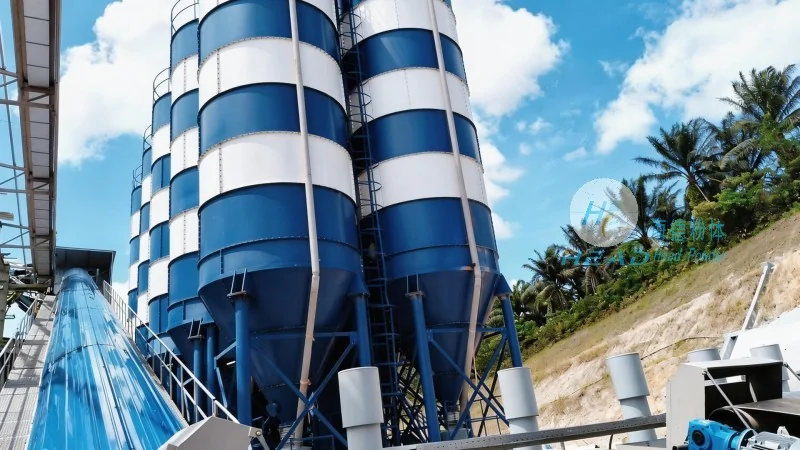
Foam particle pneumatic conveying exhibits several distinct characteristics that make it suitable for various industrial applications. One of the primary advantages is its ability to handle fine and cohesive powders that are difficult to convey using conventional pneumatic systems. The foam medium reduces the particle-particle and particle-wall friction, allowing for smoother flow and preventing blockages. Additionally, the process minimizes product attrition, preserving the physical properties of the material, which is crucial for sensitive or high-value products. Another key characteristic is the flexibility in adjusting the foam density and viscosity to match different particle sizes and flow rates. This adaptability enables the system to handle a wide range of materials, from fine powders to coarse granules. The system also offers improved energy efficiency compared to traditional pneumatic conveying, as the foam reduces the required air velocity and pressure, leading to lower operational costs.
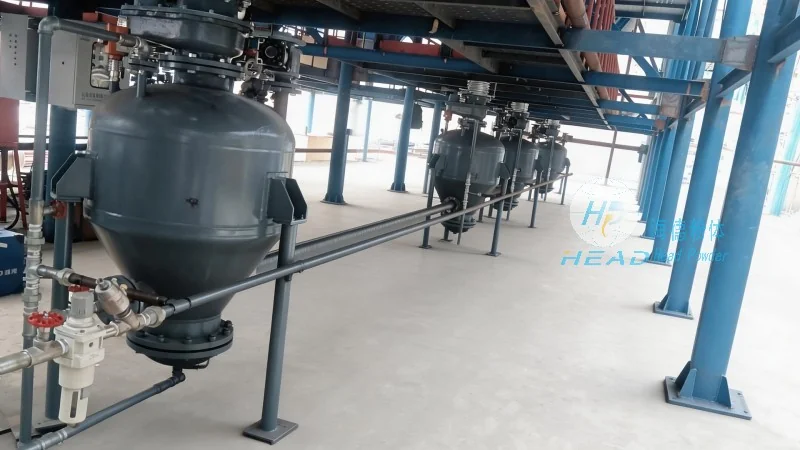
The applications of foam particle pneumatic conveying span across multiple industries, including pharmaceuticals, food processing, chemical manufacturing, and mining. In the pharmaceutical industry, it is used for conveying active pharmaceutical ingredients (APIs) and excipients, ensuring that the delicate particles are transported without degradation. In food processing, it handles ingredients like flour, sugar, and spices, maintaining product quality and preventing contamination. The chemical industry utilizes this method for transporting powders such as pigments, catalysts, and reagents, where the need for precise control and minimal product damage is critical. In mining operations, foam particle conveying is employed to transport ore and mineral powders from processing plants to storage or further processing facilities, enhancing operational efficiency and safety.
The successful implementation of foam particle pneumatic conveying requires careful consideration of several technical aspects. The design of the foam generator and mixing system is critical to ensure consistent foam quality and stability. Factors such as the liquid-to-gas ratio, mixing time, and temperature control directly impact the foam's performance. The pipeline design, including the diameter, length, and bends, must be optimized to maintain the foam's integrity and prevent premature collapse. Additionally, the system must incorporate proper air and liquid control valves to regulate the flow and pressure, ensuring smooth operation. The discharge system is also vital, as it needs to effectively separate the foam from the particles while minimizing product loss. Regular maintenance and monitoring of the foam quality, particle flow rates, and system pressure are essential to maintain optimal performance and prevent system failures.
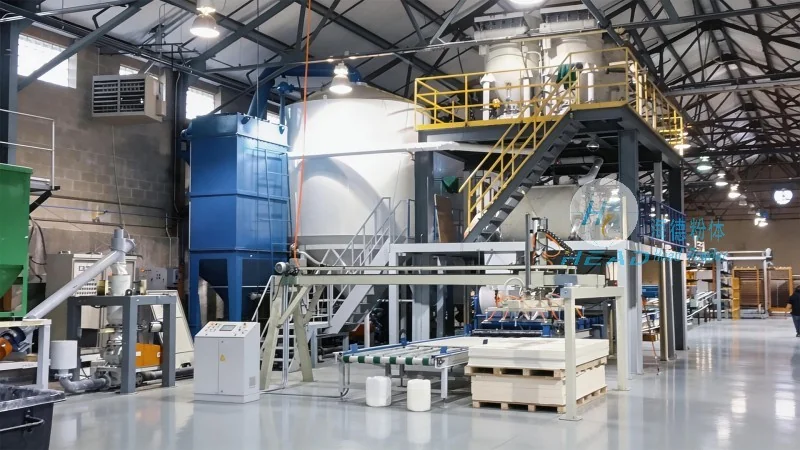
When compared to conventional pneumatic conveying, foam particle pneumatic conveying offers several distinct advantages. Conventional systems rely on high air velocities and pressures to transport particles, which can lead to increased energy consumption and higher product attrition. In contrast, foam particle conveying uses a lower air velocity and pressure, reducing energy costs and preserving product quality. The foam medium also provides better flow characteristics, reducing the likelihood of blockages and ensuring consistent material flow. Furthermore, the system is more adaptable to handling a wider range of particle sizes and materials, including those that are fine, cohesive, or sensitive to high velocities. However, it is important to note that foam particle systems require additional equipment for foam generation and control, which may increase initial capital costs. The operational complexity and maintenance requirements are also higher compared to basic pneumatic conveying systems.

 Shandong Headpowder Engineering Co., Ltd.
 156-6277-7102(Manager Zhang)
  0531-83386006
  Zhangqiu District, Jinan City, Shandong Province, China
telephone
WeChatconsult
top