

Working Principle and Characteristics of Red Mud Pneumatic Conveying
Red mud, a byproduct of bauxite processing in the aluminum industry, presents significant handling challenges due to its high moisture content, abrasive properties, and potential environmental impact. Pneumatic conveying systems have become a preferred solution for transporting red mud efficiently and safely. This article examines the working principle and key characteristics of red mud pneumatic conveying, highlighting the technology's advantages and practical applications.
Understanding Red Mud Pneumatic Conveying: Core Working Principle
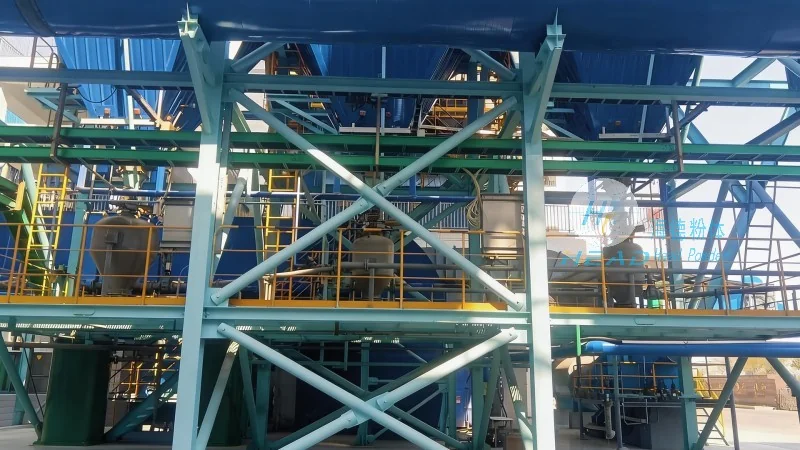
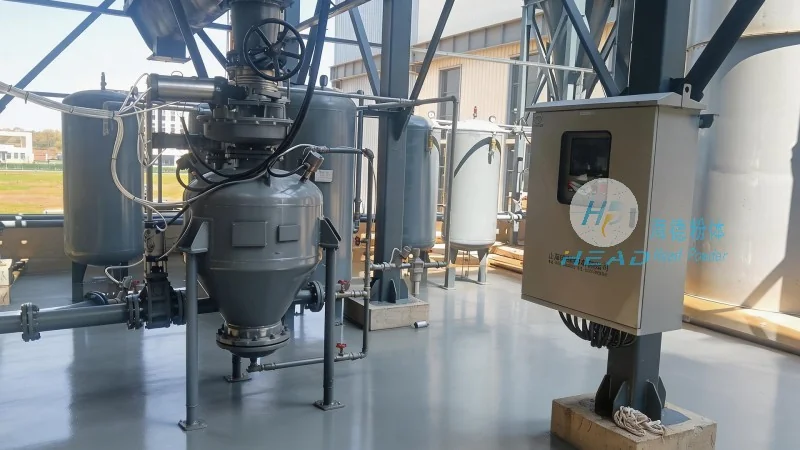
The fundamental principle of red mud pneumatic conveying involves using air as the conveying medium to transport the material. The process typically comprises several components: a hopper for material storage, a feeder to control material flow, a conveying line, and a receiver at the destination. The operation can be broken down into sequential steps:
First, red mud is fed into the hopper from the source, such as a storage silo or processing plant. A feeder, commonly a rotary valve or screw feeder, regulates the material's flow rate into the conveying line. Simultaneously, a blower or positive displacement pump generates the necessary air pressure to move the material through the pipeline. The air and material are mixed within the conveying line, creating a slurry-like flow that propels the red mud forward. The conveying line is constructed from corrosion-resistant materials like stainless steel or plastic to withstand the abrasive nature of red mud. At the receiving end, a cyclone or filter separates the material from the air, allowing the red mud to be deposited in the designated area while the air is discharged or recirculated.
Key Characteristics of Red Mud Pneumatic Conveying Systems
Red mud pneumatic conveying systems exhibit several distinct features that make them suitable for handling this challenging material:
1. Efficient Material Transport: Pneumatic conveying enables continuous and high-volume transport of red mud over long distances, often eliminating the need for intermediate storage or transfer points. This reduces material accumulation risks and enhances overall process efficiency.
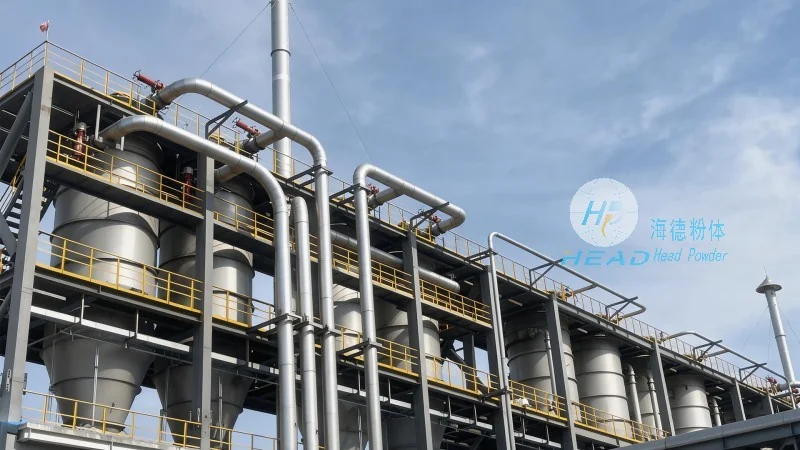
2. Low Maintenance Requirements: Compared to traditional mechanical conveying systems, pneumatic systems have fewer moving parts, resulting in lower maintenance costs and longer service life. The absence of heavy machinery also minimizes mechanical failure risks.
3. Environmental Benefits: By replacing trucks or other vehicles for material transport, pneumatic systems reduce emissions and noise pollution. The enclosed system prevents dust and dust-related health hazards, improving workplace safety.
4. Layout Flexibility: Pneumatic conveying systems can be easily integrated into existing plant layouts, allowing flexible routing of the conveying line to accommodate plant design changes or expansion.
Industrial Applications and Advantages
Red mud pneumatic conveying is widely utilized in the aluminum industry for transporting red mud from processing plants to disposal sites or for further processing. The technology is also applicable in other industries where abrasive and high-moisture materials need to be handled, such as mining and chemical processing.
One primary advantage is the system's ability to handle red mud with high moisture content without clogging or degradation. The air flow maintains material flowability, ensuring consistent performance. Additionally, the enclosed system prevents environmental contamination, aligning with regulatory requirements for waste management.
Company Profile: Shandong HeadPowder Engineering Co., Ltd.
Shandong HeadPowder Engineering Co., Ltd., a leading provider of industrial conveying solutions, specializes in designing and manufacturing customized pneumatic conveying systems for red mud and other challenging materials. With extensive industry experience, the company has developed advanced technologies to address the unique challenges of red mud handling.
HeadPowder's expertise lies in understanding material properties of red mud and tailoring the conveying system to meet specific operational needs. Engineers work closely with clients to assess requirements, including material flow rates, distance, and environmental constraints, ensuring optimal system performance.
Headquartered in Shandong, China, HeadPowder leverages local manufacturing capabilities to deliver high-quality, cost-effective solutions. The company's commitment to innovation and customer satisfaction has established it as a trusted partner for businesses seeking reliable red mud handling solutions.